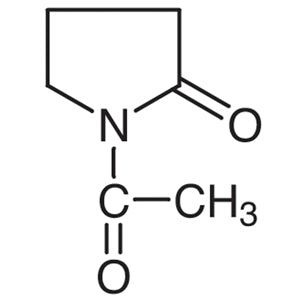
1-Acetyl-2-pyrrolidone is a chemical compound widely used in various organic reactions within laboratory settings. It serves as a fundamental building block in the synthesis of heterocyclic compounds, including pyrrolidines and their derivatives. This compound plays a crucial role in the development of new substances with specific chemical properties, making it an essential tool for researchers in both academic and industrial environments. Its versatility and reactivity contribute to its popularity among chemists working on diverse synthetic pathways.
The compound is known for its chemical stability and reactivity, which make it a preferred choice for multiple laboratory applications. It readily participates in substitution, reduction, and bond-forming reactions, allowing for the creation of complex molecular structures. Its ability to dissolve in organic solvents and its availability in solid form enhance its usability in various experimental procedures. These properties ensure that it remains a reliable and efficient reagent in chemical synthesis processes.
In Indonesian laboratories, 1-Acetyl-2-pyrrolidone is commonly used in organic chemistry research, particularly in the development of pharmaceutical compounds and industrial chemicals. Its reliability in chemical reactions has made it a sought-after material among scientists and researchers in educational and research institutions. Its role in the synthesis of heterocyclic compounds further underscores its importance in the field of medicinal and chemical research.
Related TCI products
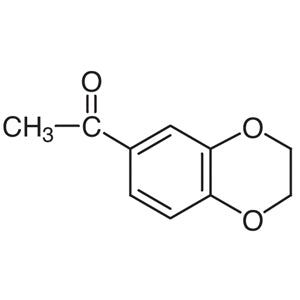
- TCI A1629 2879-20-1 6-Acetyl-1,4-benzodioxane
- TCI H1573 25747-41-5 4-Hydroxy-2-pyrrolidone
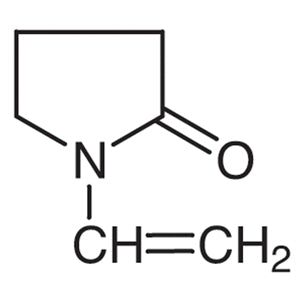
- TCI V0026 88-12-0 1-Vinyl-2-pyrrolidone (stabilized with N,N'-Di-sec-butyl-p-phenylenediamine)
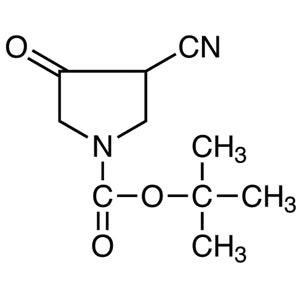
- TCI B4761 175463-32-8 1-tert-Butoxycarbonyl-3-cyano-4-pyrrolidone
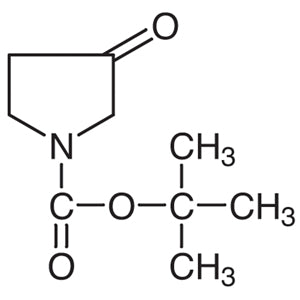
- TCI B3589 101385-93-7 1-tert-Butoxycarbonyl-3-pyrrolidone
- TCI B1254 3470-98-2 1-Butyl-2-pyrrolidone
- Synthesis of heterocyclic compounds for the development of pharmaceuticals due to its reactivity and structural versatility.
- Organic reaction pathways involving reduction and substitution reactions because of its stability and compatibility with various reagents.
- Creation of new chemical entities in industrial research settings due to its role as a foundational building block.
- Development of medicinal compounds through chemical modifications facilitated by its reactivity.
- Support for chemical synthesis in academic research institutions for educational and experimental purposes.
| Brand | TCI |
|---|---|
| CAS number | 932-17-2 |
| Molecular formula | — |
| Purity | — |
| Category | Chemistry > Building Blocks > Non-Heterocyclic Building Blocks |
| Pack sizes | Available in various quantities as per standard laboratory supply formats |
| Physical form | Solid |
| Storage | Store in a cool, dry place away from direct sunlight |
This compound should be stored in a cool, dry environment, away from direct sunlight and sources of heat. It is recommended to use airtight containers to prevent moisture absorption and maintain its chemical integrity. Due to its reactivity, it should be handled with care, using appropriate personal protective equipment such as gloves and safety goggles. It is advisable to store it in a well-ventilated area to minimize exposure to vapors. Avoid contact with incompatible materials to ensure safe handling and long-term stability. Proper storage conditions help preserve its effectiveness and ensure safe usage in laboratory settings.
—
Produk Terkait
-
6-Acetyl-1,4-benzodioxane TCI A1629
Regular price Rp 1.272.600,00Regular priceRp 905.100,00Sale price Rp 1.272.600,00 -
4-Hydroxy-2-pyrrolidone TCI H1573
Regular price Rp 1.167.600,00Regular priceRp 831.600,00Sale price Rp 1.167.600,00 -
1-Vinyl-2-pyrrolidone(stabilizedwithN,N'-Di-sec-butyl-p-phenylenediamine) TCI V0026
Regular price Rp 530.250,00Regular priceRp 386.400,00Sale price Rp 530.250,00 -
1-tert-Butoxycarbonyl-3-cyano-4-pyrrolidone TCI B4761
Regular price Rp 742.350,00Regular priceRp 534.450,00Sale price Rp 742.350,00 -
1-tert-Butoxycarbonyl-3-pyrrolidone TCI B3589
Regular price Rp 582.750,00Regular priceRp 423.150,00Sale price Rp 582.750,00 -
1-Butyl-2-pyrrolidone TCI B1254
Regular price Rp 2.439.150,00Regular priceRp 1.720.950,00Sale price Rp 2.439.150,00 -
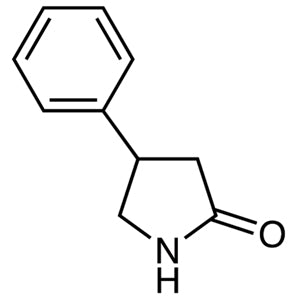
4-Phenyl-2-pyrrolidone TCI P2727
Regular price Rp 1.510.950,00Regular priceRp 1.072.050,00Sale price Rp 1.510.950,00 -
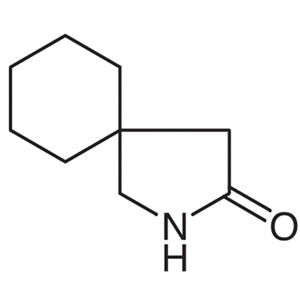
4,4-Pentamethylene-2-pyrrolidone TCI P1695
Regular price Rp 928.200,00Regular priceRp 664.650,00Sale price Rp 928.200,00