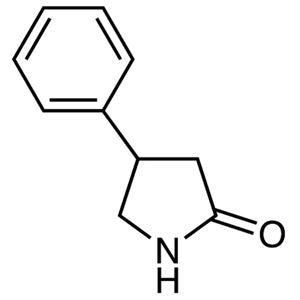
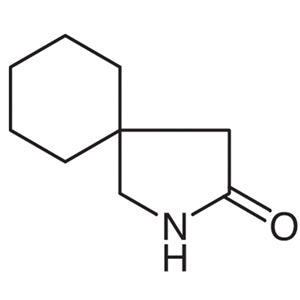
1-Butyl-2-pyrrolidone is a chemical compound widely used in laboratory settings, particularly in the synthesis of organic compounds. As a versatile building block, it plays a crucial role in facilitating chemical reactions that require a stable and reactive environment. Its molecular structure allows it to function both as a solvent and as a precursor in various synthetic processes. This compound is commonly found in research laboratories where the development of new materials and chemical products is essential. Its adaptability makes it a valuable asset in the field of organic chemistry.
The properties of 1-Butyl-2-pyrrolidone make it a preferred choice for many laboratory applications. It is polar and volatile, which enhances its solubility in a wide range of organic solvents. This characteristic is particularly useful in reactions that require precise control over the solvent environment. Additionally, its relatively low toxicity and non-flammable nature contribute to its safety profile, making it suitable for use in controlled laboratory conditions. These features ensure that it can be safely handled and stored, reducing potential risks in the lab.
In Indonesian laboratories, 1-Butyl-2-pyrrolidone is frequently used in chemical research, material development, and product testing. Its role in the synthesis of high-reactivity compounds and its ability to maintain molecular stability make it an essential component in various experimental processes. It is commonly employed in academic and industrial research settings to support the creation of new chemical substances and formulations.
Related TCI products
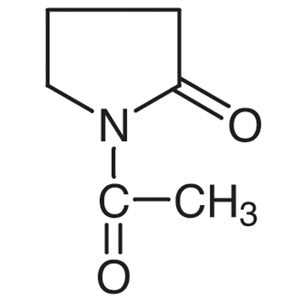
- TCI A1418 932-17-2 1-Acetyl-2-pyrrolidone
- TCI H0541 62012-15-1 1-(3-Hydroxypropyl)-2-pyrrolidone
- TCI H1573 25747-41-5 4-Hydroxy-2-pyrrolidone
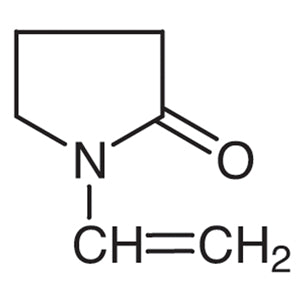
- TCI V0026 88-12-0 1-Vinyl-2-pyrrolidone (stabilized with N,N'-Di-sec-butyl-p-phenylenediamine)
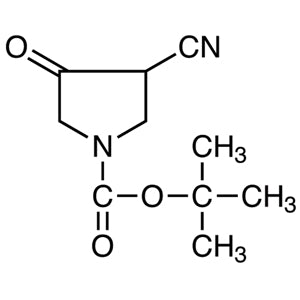
- TCI B4761 175463-32-8 1-tert-Butoxycarbonyl-3-cyano-4-pyrrolidone
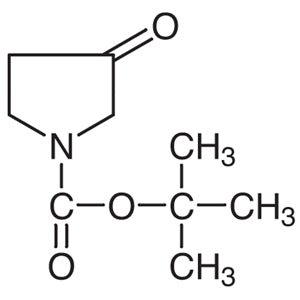
- TCI B3589 101385-93-7 1-tert-Butoxycarbonyl-3-pyrrolidone
- Organic synthesis applications benefit from 1-Butyl-2-pyrrolidone's ability to act as a solvent and reagent, enabling the formation of complex organic molecules.
- It is ideal for polymer research due to its solubility in various organic solvents, which supports the development of new polymer materials.
- In pharmaceutical development, the compound is used to facilitate the synthesis of active pharmaceutical ingredients, enhancing reaction efficiency.
- It supports analytical chemistry by serving as a solvent for sample preparation, ensuring accurate and reliable results in testing procedures.
- Environmental testing laboratories use it to dissolve and analyze organic compounds, aiding in the assessment of chemical contaminants in samples.
| Brand | TCI |
|---|---|
| CAS number | 3470-98-2 |
| Molecular formula | — |
| Purity | — |
| Category | Chemistry > Building Blocks > Non-Heterocyclic Building Blocks |
| Pack sizes | Available in various sizes as per supplier specifications |
| Physical form | Liquid |
| Storage | Store in a cool, dry place away from direct sunlight |
1-Butyl-2-pyrrolidone should be stored in a cool, dry place, away from direct sunlight and sources of heat. It is recommended to use sealed, airtight containers to prevent evaporation and contamination. Due to its volatility, it should be handled in well-ventilated areas to minimize exposure. While it is not flammable, it is advisable to keep it away from ignition sources. Proper personal protective equipment, such as gloves and safety goggles, should be worn during handling. Regular monitoring of storage conditions ensures the compound remains stable and safe for use in laboratory environments.
—
Produk Terkait
-
1-Acetyl-2-pyrrolidone TCI A1418
Regular price From Rp 1.776.600,00Regular priceRp 1.257.900,00Sale price From Rp 1.776.600,00 -
1-(3-Hydroxypropyl)-2-pyrrolidone TCI H0541
Regular price From Rp 2.889.600,00Regular priceRp 2.035.950,00Sale price From Rp 2.889.600,00 -
4-Hydroxy-2-pyrrolidone TCI H1573
Regular price Rp 1.167.600,00Regular priceRp 831.600,00Sale price Rp 1.167.600,00 -
1-Vinyl-2-pyrrolidone(stabilizedwithN,N'-Di-sec-butyl-p-phenylenediamine) TCI V0026
Regular price From Rp 530.250,00Regular priceRp 386.400,00Sale price From Rp 530.250,00 -
1-tert-Butoxycarbonyl-3-cyano-4-pyrrolidone TCI B4761
Regular price From Rp 742.350,00Regular priceRp 534.450,00Sale price From Rp 742.350,00 -
1-tert-Butoxycarbonyl-3-pyrrolidone TCI B3589
Regular price From Rp 582.750,00Regular priceRp 423.150,00Sale price From Rp 582.750,00 -
4-Phenyl-2-pyrrolidone TCI P2727
Regular price From Rp 1.510.950,00Regular priceRp 1.072.050,00Sale price From Rp 1.510.950,00 -
4,4-Pentamethylene-2-pyrrolidone TCI P1695
Regular price Rp 928.200,00Regular priceRp 664.650,00Sale price Rp 928.200,00