4-Phenyl-2-pyrrolidone is a versatile chemical compound widely used in laboratory settings as a building block for organic synthesis. It plays a crucial role in the development of complex molecular structures, particularly in the synthesis of heterocyclic compounds. This compound is commonly utilized in both academic and industrial research to create a wide range of chemical products, including pharmaceuticals and specialty chemicals. Its importance lies in its ability to participate in various chemical reactions, making it an essential reagent for chemists working in diverse fields.
The chemical properties of 4-Phenyl-2-pyrrolidone make it a preferred choice for laboratory applications. It exhibits stability under a variety of reaction conditions and can react with acids, bases, and organic solvents. Its heterocyclic structure provides it with the ability to form complex chemical bonds, which is vital for substitution, addition, and ring-opening reactions. These characteristics allow it to be a reliable and effective reagent in synthetic pathways, supporting the creation of new compounds with specific functional groups and molecular architectures.
In Indonesian laboratories, 4-Phenyl-2-pyrrolidone is extensively used in organic chemistry research, particularly in higher education institutions and research organizations. It is commonly found in the development of pharmaceutical products and industrial chemicals. Its application extends to the synthesis of heterocyclic compounds, which are essential in drug discovery and chemical innovation. This compound is a key component in the advancement of chemical research in Indonesia.
Related TCI products
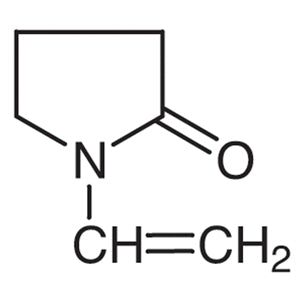
- TCI V0026 88-12-0 1-Vinyl-2-pyrrolidone (stabilized with N,N'-Di-sec-butyl-p-phenylenediamine)
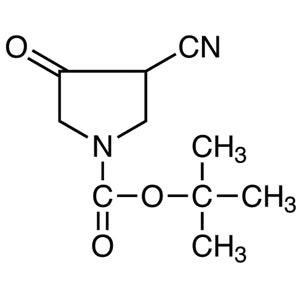
- TCI B4761 175463-32-8 1-tert-Butoxycarbonyl-3-cyano-4-pyrrolidone
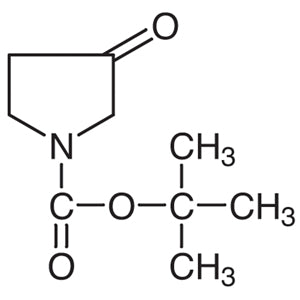
- TCI B3589 101385-93-7 1-tert-Butoxycarbonyl-3-pyrrolidone
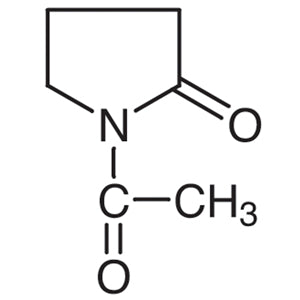
- TCI A1418 932-17-2 1-Acetyl-2-pyrrolidone
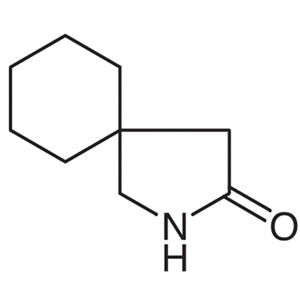
- TCI P1695 64744-50-9 4,4-Pentamethylene-2-pyrrolidone
- TCI P0575 616-45-5 2-Pyrrolidone
- Heterocyclic Compound Synthesis: 4-Phenyl-2-pyrrolidone is ideal for creating complex ring structures that are fundamental in pharmaceutical and industrial chemical development.
- Pharmaceutical Research: Its use in drug synthesis allows for the production of compounds with specific biological activities, supporting medicinal chemistry efforts.
- Organic Chemistry Education: It is frequently used in teaching laboratories to demonstrate synthetic techniques and reaction mechanisms.
- Industrial Chemical Production: Its stability and reactivity make it suitable for large-scale chemical manufacturing processes.
- Research and Development: It supports the innovation of new chemical products by enabling the exploration of novel synthetic pathways.
| Brand | TCI |
|---|---|
| CAS number | 1198-97-6 |
| Molecular formula | — |
| Purity | — |
| Category | Chemistry > Building Blocks > Heterocyclic Building Blocks |
| Pack sizes | Available in various quantities as per supplier specifications |
| Physical form | Liquid |
| Storage | Store in a cool, dry place away from direct sunlight |
4-Phenyl-2-pyrrolidone should be stored in a cool, dry place, away from direct sunlight and sources of heat. It is recommended to use airtight containers made of glass or high-density polyethylene to prevent contamination and evaporation. Due to its chemical nature, it should be handled in a well-ventilated area, and appropriate personal protective equipment such as gloves and goggles should be worn. Avoid contact with skin and eyes, and ensure that it is kept out of reach of children and unauthorized personnel. Regular inspection of storage conditions is advised to maintain the integrity and safety of the compound in the laboratory environment.
—
Produk Terkait
-
1-Vinyl-2-pyrrolidone(stabilizedwithN,N'-Di-sec-butyl-p-phenylenediamine) TCI V0026
Regular price From Rp 477.750,00Regular price -
1-tert-Butoxycarbonyl-3-cyano-4-pyrrolidone TCI B4761
Regular price From Rp 689.850,00Regular price -
1-tert-Butoxycarbonyl-3-pyrrolidone TCI B3589
Regular price From Rp 530.250,00Regular price -
1-Acetyl-2-pyrrolidone TCI A1418
Regular price From Rp 1.724.100,00Regular price -
4,4-Pentamethylene-2-pyrrolidone TCI P1695
Regular price Rp 875.700,00Regular price -
2-Pyrrolidone TCI P0575
Regular price From Rp 477.750,00Regular price -
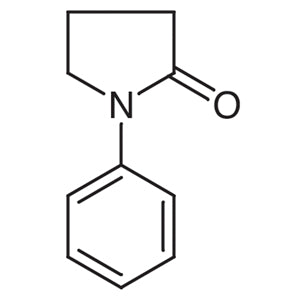
1-Phenyl-2-pyrrolidone TCI P0319
Regular price Rp 875.700,00Regular price -
1-n-Octyl-2-pyrrolidone TCI O0325
Regular price From Rp 505.050,00Regular price