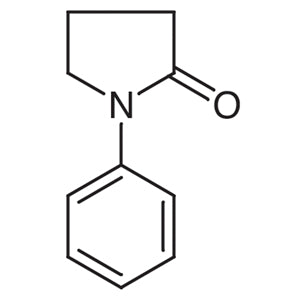
1-tert-Butyloxycarbonyl-3-pyrrolidone is a chemical compound widely used in organic reactions for the synthesis of heterocyclic compounds. This reagent plays a crucial role in laboratory settings, particularly in the development of complex molecules with ring structures. Its versatility makes it an essential component in various synthetic pathways, enabling the formation of more intricate chemical structures through reactions such as coupling or substitution. This compound is commonly utilized in both academic and industrial research environments due to its functional versatility and chemical reactivity.
The compound is known for its chemical stability and reactivity under specific conditions, making it a preferred choice for chemists working on synthetic projects. Its unique molecular structure allows it to participate in reactions that require both stability and structural specificity. These properties make it ideal for applications where precise control over chemical transformations is necessary. Additionally, its ability to facilitate the separation and isolation of final products enhances its utility in laboratory workflows.
In Indonesian laboratories, 1-tert-Butyloxycarbonyl-3-pyrrolidone is frequently used in pure and applied chemical research, especially in pharmaceutical and material science fields. Its availability and effectiveness in heterocyclic synthesis make it a reliable choice for researchers aiming to develop new compounds with specific structural and functional characteristics.
Related TCI products
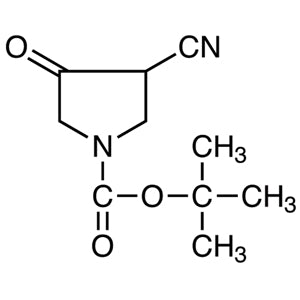
- TCI B4761 175463-32-8 1-tert-Butoxycarbonyl-3-cyano-4-pyrrolidone
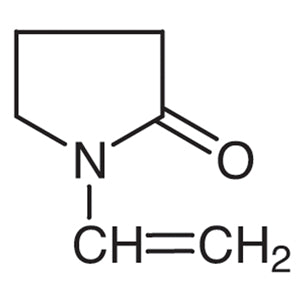
- TCI V0026 88-12-0 1-Vinyl-2-pyrrolidone (stabilized with N,N'-Di-sec-butyl-p-phenylenediamine)
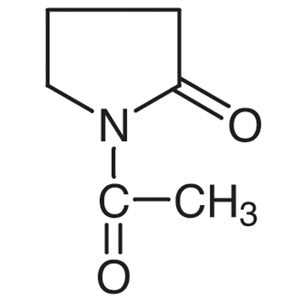
- TCI A1418 932-17-2 1-Acetyl-2-pyrrolidone
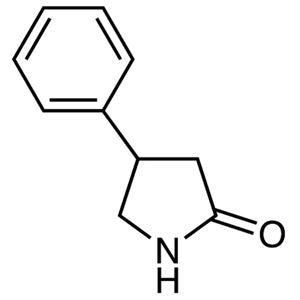
- TCI P2727 1198-97-6 4-Phenyl-2-pyrrolidone
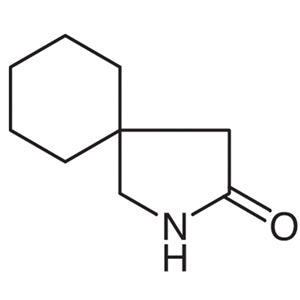
- TCI P1695 64744-50-9 4,4-Pentamethylene-2-pyrrolidone
- TCI P0575 616-45-5 2-Pyrrolidone
- Organic synthesis of heterocyclic compounds due to its structural specificity and reactivity in ring-forming reactions.
- Pharmaceutical research for the development of complex drug molecules requiring precise chemical modifications.
- Material science applications in the creation of polymers and advanced materials with tailored properties.
- Chemical education and training for students and researchers studying synthetic methodologies.
- Industrial chemical processes where controlled chemical transformations are essential for product development.
| Brand | TCI |
|---|---|
| CAS number | 101385-93-7 |
| Molecular formula | — |
| Purity | — |
| Category | Chemistry > Building Blocks > Heterocyclic Building Blocks |
| Pack sizes | Available in standard laboratory quantities as per supplier specifications |
| Physical form | Solid or liquid, depending on supplier packaging |
| Storage | Store in a cool, dry place away from direct sunlight and moisture |
This compound should be stored in a cool, dry environment, away from direct sunlight and moisture to maintain its chemical integrity. It is recommended to use airtight containers made of glass or high-density polyethylene to prevent contamination and degradation. Proper ventilation is essential when handling the material to minimize exposure to vapors. Laboratory personnel should wear appropriate personal protective equipment, including gloves and safety goggles, when working with this compound. It should be kept out of reach of children and not stored near incompatible substances such as strong acids or bases. Regular inspection of storage conditions is advised to ensure long-term stability and safety.
—
Produk Terkait
-
1-tert-Butoxycarbonyl-3-cyano-4-pyrrolidone TCI B4761
Regular price From Rp 742.350,00Regular priceRp 534.450,00Sale price From Rp 742.350,00 -
1-Vinyl-2-pyrrolidone(stabilizedwithN,N'-Di-sec-butyl-p-phenylenediamine) TCI V0026
Regular price From Rp 530.250,00Regular priceRp 386.400,00Sale price From Rp 530.250,00 -
1-Acetyl-2-pyrrolidone TCI A1418
Regular price From Rp 1.776.600,00Regular priceRp 1.257.900,00Sale price From Rp 1.776.600,00 -
4-Phenyl-2-pyrrolidone TCI P2727
Regular price From Rp 1.510.950,00Regular priceRp 1.072.050,00Sale price From Rp 1.510.950,00 -
4,4-Pentamethylene-2-pyrrolidone TCI P1695
Regular price Rp 928.200,00Regular priceRp 664.650,00Sale price Rp 928.200,00 -
2-Pyrrolidone TCI P0575
Regular price From Rp 530.250,00Regular priceRp 386.400,00Sale price From Rp 530.250,00 -
1-Phenyl-2-pyrrolidone TCI P0319
Regular price Rp 928.200,00Regular priceRp 664.650,00Sale price Rp 928.200,00 -
1-n-Octyl-2-pyrrolidone TCI O0325
Regular price From Rp 557.550,00Regular priceRp 405.300,00Sale price From Rp 557.550,00