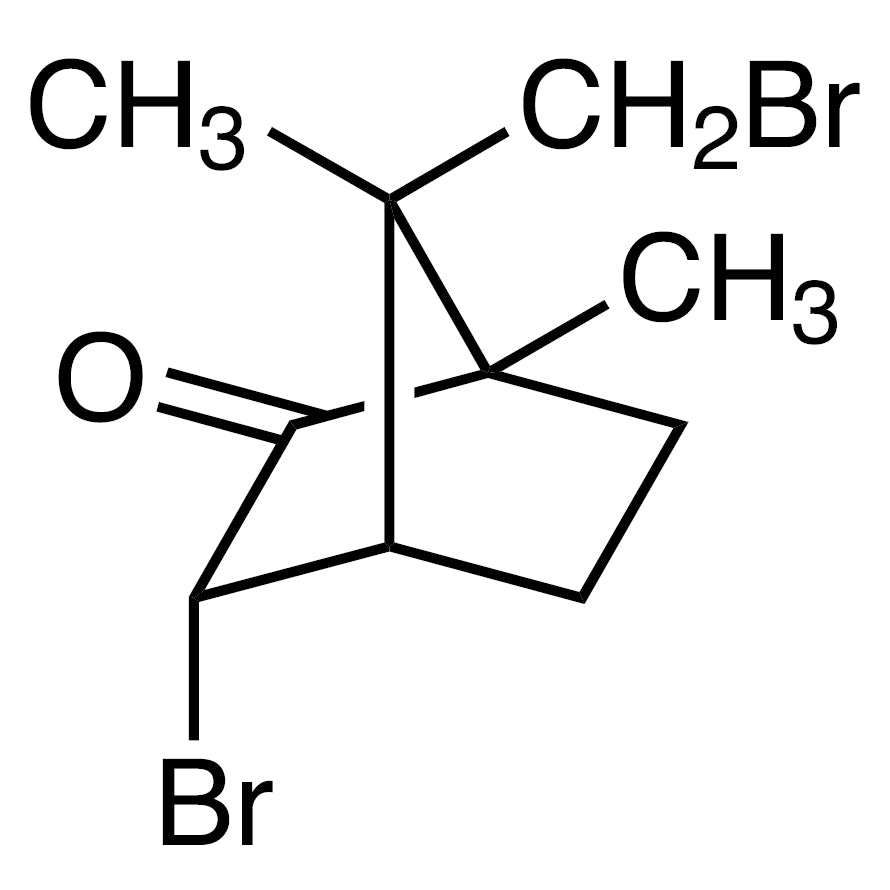
TCI D2715 (+)-3,9-Dibromocamphor is a camphor derivative carrying two bromine atoms at the 3- and 9-positions, supplied as the optically active (+)-enantiomer. The compound belongs to the class of chiral building blocks: starting materials that already carry chirality information and can therefore direct the formation of configuration in the products of a reaction. In asymmetric synthesis laboratories, materials of this kind are highly valued because the camphor framework provides a rigid bicyclic skeleton that shields one face of the molecule, so reactions tend to proceed in a predictable direction.
The properties that lead chemists to select this compound are the combination of a rigid camphor skeleton and two bromine atoms acting as reactive leaving groups. The bromine atoms open the way to substitution reactions, carbon–carbon bond formation, and conversion into other functional groups, while the bicyclo[2.2.1]heptanone framework retains its spatial shape and its chiral centre. The two bromine positions differ in their chemical environment — one sits close to the carbonyl group and one on a methyl group — so there is an opportunity for selective reaction at either site. Availability as a single enantiomer saves the resolution steps that would otherwise be required.
In Indonesian laboratories, this material is typically used in university and institutional research groups working on asymmetric synthesis, chiral auxiliary preparation, and natural product chemistry. It is normally purchased in small research quantities for method development and reaction screening rather than for production scale. Because it is a single-enantiomer building block, it is usually handled by researchers who already have stereochemical analysis available and who need a defined chiral starting point for a multi-step route.
Related TCI products
- Chiral auxiliary preparation — the rigid camphor framework and defined chiral centre allow the compound to be elaborated into auxiliaries that transfer stereochemical information to a substrate.
- Asymmetric synthesis route development — as a single-enantiomer starting material it removes the need for a separate resolution step, shortening exploratory synthetic sequences considerably.
- Carbon–carbon bond formation studies — the two bromine atoms serve as reactive leaving groups suitable for coupling chemistry that builds new molecular frameworks around a chiral core.
- Selective substitution investigations — because one bromine sits adjacent to the carbonyl and one on a methyl group, the differing environments permit site-selective functional group transformations.
- Functional group interconversion work — the bromine substituents can be converted into other functionalities while the bicyclo[2.2.1]heptanone skeleton preserves the molecule's spatial arrangement and chirality.
| Brand | TCI |
|---|---|
| CAS number | 10293-10-4 |
| Molecular formula | — |
| Purity | — |
| Category | Chemistry > Asymmetric Synthesis > Chiral Building Blocks |
| Pack sizes | available in research-scale laboratory pack sizes; please confirm the currently offered options when ordering |
| Physical form | — |
| Storage | store in a closed original container in a cool, dry place away from light and moisture |
- Chemical identity: (+)-3,9-dibromocamphor, a camphor derivative brominated at the 3- and 9-positions
- Stereochemistry: supplied as the optically active (+)-enantiomer
Store the container tightly closed in a cool, dry, and well-ventilated place, protected from light and moisture, and keep it away from incompatible reagents and sources of heat or ignition. The original supplier container is the most suitable primary packaging; if transfer is necessary, use a clean, dry, chemically compatible glass vessel with a secure closure and label it clearly with the compound name and CAS number. Handle the material in a fume hood while wearing safety glasses, gloves, and a laboratory coat, and avoid contact with skin, eyes, and inhalation of dust. As an organobromine compound, it should be weighed out promptly and the container resealed to limit moisture uptake. Dispose of residues and contaminated consumables as halogenated organic waste in accordance with institutional procedures, and consult the manufacturer's safety data sheet before first use.
—
Produk Terkait
-
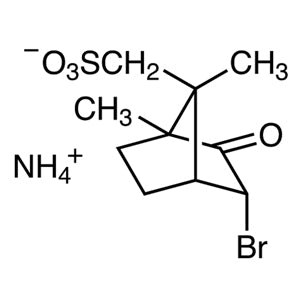
(-)-3-Bromocamphor-8-sulfonicAcidAmmoniumSalt TCI B4412
Regular price Rp 1.167.600,00Regular price -
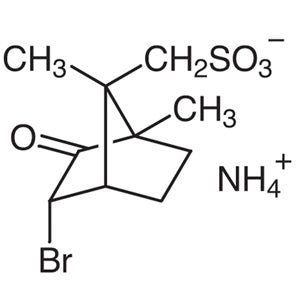
(+)-3-Bromocamphor-8-sulfonicAcidAmmoniumSalt TCI B1125
Regular price From Rp 1.060.500,00Regular price -
(+)-3-Bromocamphor TCI B0567
Regular price Rp 689.850,00Regular price -
(-)-Verbenone TCI V0072
Regular price Rp 1.353.450,00Regular price -
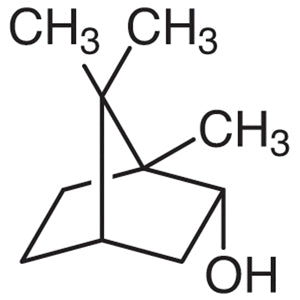
(-)-Borneol TCI B1012
Regular price From Rp 875.700,00Regular price -
(1S,2S,3R,5S)-(+)-2,3-Pinanediol TCI P1934
Regular price From Rp 2.254.350,00Regular price -
(1R)-(+)-alpha-Pinene TCI P1099
Regular price From Rp 584.850,00Regular price -
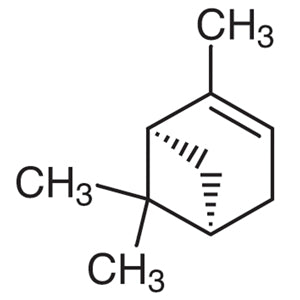
(-)-beta-Pinene TCI P0441
Regular price From Rp 505.050,00Regular price