TCI D4091, corresponding to CAS number 4316-97-6, is 4,6-Dichloro-5-methylpyrimidine, a heterocyclic compound belonging to the family of heterocyclic building blocks. The molecule consists of a pyrimidine ring carrying two chlorine atoms at positions 4 and 6, together with a methyl group at position 5. The pyrimidine ring itself is one of the most important cores in medicinal chemistry, because it forms the fundamental framework of nucleic acid bases as well as of many drug molecules, particularly kinase inhibitors and antiviral compounds. For this reason, halogenated pyrimidines such as this product are among the most frequently used starting materials in laboratories devoted to pharmaceutical and agrochemical synthesis.
The property that makes this compound a preferred choice is the reactivity of its chlorine atoms toward nucleophilic aromatic substitution. The pyrimidine ring is electron-poor, so positions 4 and 6 are highly susceptible to attack by nucleophiles such as amines, alkoxides, thiolates, or heterocyclic nitrogen anions. Interestingly, the first substitution can often be carried out selectively under controlled conditions, which allows researchers to install two different groups in sequence and thereby build unsymmetrical molecules. The methyl group at position 5 contributes steric and electronic effects that modulate the rate of these transformations, giving chemists an additional handle for tuning selectivity in a planned synthetic route.
In Indonesian laboratories, this building block is typically encountered in university research groups, pharmaceutical research and development units, and agrochemical laboratories that construct pyrimidine-based target molecules. It is generally used at the early stage of a multi-step synthetic sequence, where a common halogenated core is elaborated into a series of analogues for structure-activity studies. It is also suitable for method development work, where a well-behaved and predictable electrophilic heterocycle is needed as a reference substrate.
- Medicinal chemistry scaffold construction: the dichloropyrimidine core is a direct entry point to kinase inhibitor and antiviral frameworks that are built around a substituted pyrimidine ring.
- Sequential nucleophilic aromatic substitution: the two chlorine positions can be functionalized one after another, letting chemists assemble unsymmetrical 4,6-disubstituted pyrimidines from a single common intermediate.
- Amination reactions with primary and secondary amines: the electron-poor ring readily accepts nitrogen nucleophiles, making this a convenient substrate for preparing aminopyrimidine analogue libraries.
- Agrochemical intermediate synthesis: halogenated pyrimidines are frequent starting materials in agrochemical discovery laboratories that prepare and evaluate new pyrimidine-containing active ingredients.
- Structure-activity relationship studies: a single well-defined halogenated core allows systematic variation of substituents, so research teams can generate related analogues under comparable synthetic conditions.
| Brand | TCI |
|---|---|
| CAS number | 4316-97-6 |
| Molecular formula | — |
| Purity | — |
| Category | Chemistry > Building Blocks > Heterocyclic Building Blocks |
| Pack sizes | available in the standard research-scale pack sizes offered by the manufacturer; please confirm the required pack size when ordering |
| Physical form | — |
| Storage | keep in a tightly closed original container, protected from moisture, in accordance with the manufacturer's product documentation |
- Chemical name: 4,6-Dichloro-5-methylpyrimidine
Store this product in its original tightly closed container in a cool, dry, and well-ventilated area, away from heat sources, direct sunlight, and incompatible materials. Chlorinated heterocycles are generally sensitive to moisture, so containers should be resealed promptly after each use and, where possible, handled under dry conditions. All weighing and transfer operations should be performed in a fume hood using appropriate personal protective equipment, including gloves, safety glasses, and a laboratory coat. Avoid inhalation of dust and contact with skin or eyes. Always consult the manufacturer's safety data sheet before use, and dispose of residues and contaminated materials through the laboratory's designated chemical waste route.
—
Produk Terkait
-
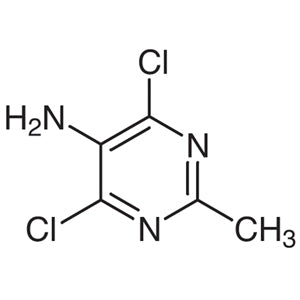
5-Amino-4,6-dichloro-2-methylpyrimidine TCI A1946
Regular price From Rp 2.439.150,00Regular price -
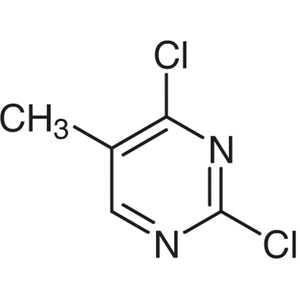
2,4-Dichloro-5-methylpyrimidine TCI D3613
Regular price From Rp 505.050,00Regular price -
4,6-Dichloro-2-methylpyrimidine TCI D3558
Regular price From Rp 769.650,00Regular price -
2,4-Dichloro-6-methylpyrimidine TCI D2958
Regular price From Rp 769.650,00Regular price -
5-Bromo-2-methylpyrimidine TCI B5266
Regular price From Rp 823.200,00Regular price -
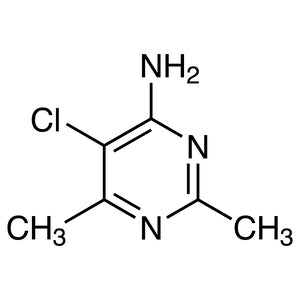
4-Amino-5-chloro-2,6-dimethylpyrimidine TCI A1901
Regular price From Rp 1.008.000,00Regular price -
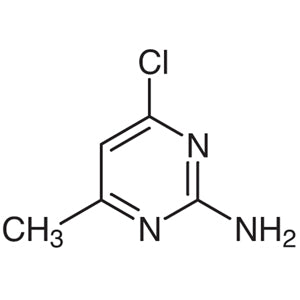
2-Amino-4-chloro-6-methylpyrimidine TCI A1088
Regular price From Rp 584.850,00Regular price -
2-Chloro-5-methylpyrimidine TCI C2957
Regular price Rp 875.700,00Regular price