5-Amino-4,6-dichloro-2-methylpyrimidine is a chemical compound widely used in laboratory settings as a building block for the synthesis of heterocyclic compounds. It plays a crucial role in organic chemistry by serving as a precursor to various pyrimidine derivatives, which are essential in the formation of nucleotides and nucleic acids. This compound is particularly valuable in research focused on pharmaceutical development and biochemical studies due to its structural versatility. Its ability to participate in multiple chemical reactions makes it a key component in the design of complex molecules with specific biological activities.
The compound is known for its stability and controlled reactivity, which allows researchers to manipulate its chemical behavior under specific reaction conditions. Its reactivity with amines, acids, and oxidizing agents makes it a preferred choice in synthetic pathways. The solid form of the compound and its solubility in organic solvents further enhance its usability in a wide range of laboratory procedures. These properties make it a reliable and efficient material for both academic and industrial research.
In Indonesian laboratories, 5-Amino-4,6-dichloro-2-methylpyrimidine is commonly used in organic chemistry, pharmacology, and biochemistry research. Local researchers rely on this compound to develop new therapeutic agents and industrial chemicals. Its availability and compatibility with standard laboratory techniques ensure its continued use in various scientific applications across the country.
Related TCI products
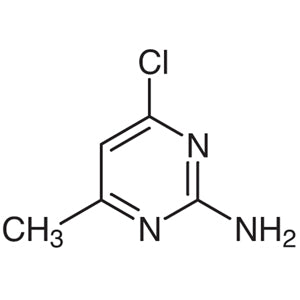
- TCI A1088 5600-21-5 2-Amino-4-chloro-6-methylpyrimidine
- TCI D4091 4316-97-6 4,6-Dichloro-5-methylpyrimidine
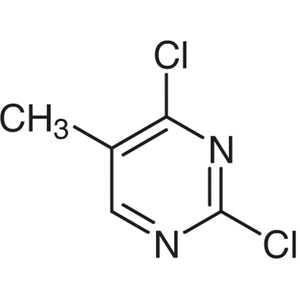
- TCI D3613 1780-31-0 2,4-Dichloro-5-methylpyrimidine
- TCI D3558 1780-26-3 4,6-Dichloro-2-methylpyrimidine
- TCI D2958 5424-21-5 2,4-Dichloro-6-methylpyrimidine
- TCI A2716 145783-15-9 5-Amino-4,6-dichloro-2-(propylthio)pyrimidine
- Organic synthesis of pyrimidine derivatives due to its structural similarity to nucleotide bases and its reactivity with functional groups.
- Development of pharmaceutical compounds as a precursor in the synthesis of drugs targeting nucleic acid-related pathways.
- Biochemical research involving the study of nucleotide metabolism and the design of nucleoside analogs for therapeutic applications.
- Industrial chemical production for the creation of heterocyclic compounds used in dyes, agrochemicals, and polymer science.
- Analytical chemistry applications for the standardization of reagents and the calibration of chemical reaction pathways.
| Brand | TCI |
|---|---|
| CAS number | 39906-04-2 |
| Molecular formula | — |
| Purity | — |
| Category | Chemistry > Building Blocks > Heterocyclic Building Blocks |
| Pack sizes | Available in various quantities as per standard laboratory requirements |
| Physical form | Solid |
| Storage | Store in a cool, dry place away from light and moisture |
This compound should be stored in a cool, dry environment, away from direct sunlight and moisture to maintain its chemical integrity. It is recommended to use airtight containers made of glass or high-density polyethylene to prevent contamination and degradation. Due to its reactivity with certain reagents, it should be handled with appropriate personal protective equipment, including gloves and safety goggles. In laboratory settings, it should be stored separately from strong oxidizing agents and incompatible substances to avoid unintended chemical reactions. Regular monitoring of storage conditions is advised to ensure the compound remains stable and suitable for use in research applications.
—
Produk Terkait
-
2-Amino-4-chloro-6-methylpyrimidine TCI A1088
Regular price Rp 637.350,00Regular priceRp 460.950,00Sale price Rp 637.350,00 -
4,6-Dichloro-5-methylpyrimidine TCI D4091
Regular price Rp 2.199.750,00Regular priceRp 1.554.000,00Sale price Rp 2.199.750,00 -
2,4-Dichloro-5-methylpyrimidine TCI D3613
Regular price Rp 557.550,00Regular priceRp 405.300,00Sale price Rp 557.550,00 -
4,6-Dichloro-2-methylpyrimidine TCI D3558
Regular price Rp 822.150,00Regular priceRp 590.100,00Sale price Rp 822.150,00 -
2,4-Dichloro-6-methylpyrimidine TCI D2958
Regular price Rp 822.150,00Regular priceRp 590.100,00Sale price Rp 822.150,00 -
5-Amino-4,6-dichloro-2-(propylthio)pyrimidine TCI A2716
Regular price Rp 689.850,00Regular priceRp 497.700,00Sale price Rp 689.850,00 -
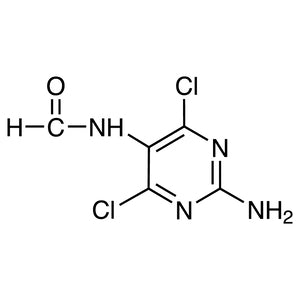
2-Amino-4,6-dichloro-5-formamidopyrimidine TCI A2146
Regular price Rp 822.150,00Regular priceRp 590.100,00Sale price Rp 822.150,00 -
5-Bromo-2-methylpyrimidine TCI B5266
Regular price Rp 875.700,00Regular priceRp 627.900,00Sale price Rp 875.700,00