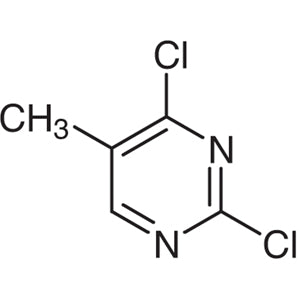
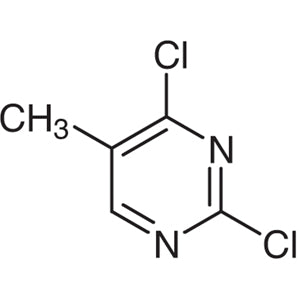
TCI D3613 2,4-Dichloro-5-methylpyrimidine is a heterocyclic building block that carries a pyrimidine framework with two chlorine atoms at the 2- and 4-positions and a methyl group at the 5-position. The pyrimidine ring is one of the most frequently encountered cores in modern medicines, which places compounds of this kind in an important position as synthetic starting points. In the laboratory, this material is used to construct more complex molecules by replacing the chlorine atoms stepwise with amines, alcohols, or thiols, or through metal-catalysed cross-coupling reactions.
The property that makes it especially useful is the unequal reactivity of its two chlorine substituents. The 4-position of the pyrimidine ring is generally more readily attacked by nucleophiles than the 2-position, so chemists can install two different substituents in a controlled manner simply by adjusting temperature, base, and the order in which reagents are added. The methyl group at the 5-position adds lipophilic character to the final product, influences the electron density of the ring, and at the same time serves as a clear marker in NMR analysis.
As a solid that is easy to weigh out and soluble in common organic solvents, this material is practical to use across a range of laboratory scales. It suits Indonesian research groups and development laboratories working on heterocyclic synthesis, medicinal chemistry route exploration, and small-scale preparation of intermediates, where a well-defined building block allows a synthetic sequence to be planned and reproduced reliably from one batch of work to the next.
Related TCI products
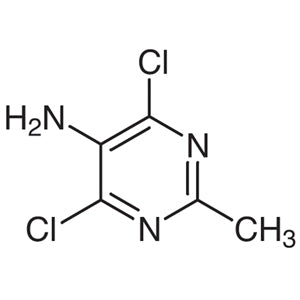
- TCI A1946 39906-04-2 5-Amino-4,6-dichloro-2-methylpyrimidine
- TCI D4091 4316-97-6 4,6-Dichloro-5-methylpyrimidine
- TCI D3558 1780-26-3 4,6-Dichloro-2-methylpyrimidine
- TCI D2958 5424-21-5 2,4-Dichloro-6-methylpyrimidine
- TCI B5266 7752-78-5 5-Bromo-2-methylpyrimidine
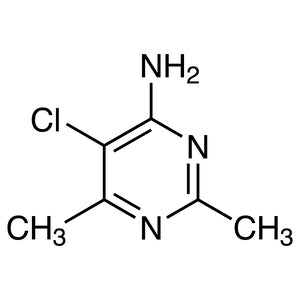
- TCI A1901 2858-20-0 4-Amino-5-chloro-2,6-dimethylpyrimidine
- Selective nucleophilic substitution — the differing reactivity of the 2- and 4-chlorines allows amines, alcohols, or thiols to be introduced one position at a time under controlled conditions.
- Medicinal chemistry intermediate preparation — the pyrimidine core is among the most common scaffolds in modern drugs, making this a practical starting point for candidate molecules.
- Metal-catalysed cross-coupling chemistry — the chlorine substituents act as handles for coupling reactions, giving access to carbon–carbon and carbon–heteroatom bonds on the pyrimidine ring.
- Sequential two-step functionalisation — chemists can install two different substituents in a planned order by adjusting temperature, base, and reagent addition sequence.
- Structure–property studies — the 5-methyl group modifies ring electron density and adds lipophilic character, while also providing a clear reference signal during NMR analysis.
| Brand | TCI |
|---|---|
| CAS number | 1780-31-0 |
| Molecular formula | — |
| Purity | — |
| Category | Chemistry > Building Blocks > Heterocyclic Building Blocks |
| Pack sizes | available in laboratory-scale research pack sizes; please refer to the current catalogue listing |
| Physical form | solid, soluble in common organic solvents |
| Storage | — |
- Chemical name: 2,4-Dichloro-5-methylpyrimidine
Store the container in a cool, dry place, tightly closed and protected from moisture and direct sunlight, following the storage instructions supplied by the manufacturer on the product label and safety data sheet. Keep the material in its original container or in a well-sealed glass container that is clearly labelled, and return it promptly after weighing to limit exposure to humid air. Handle the solid in a fume hood, wear gloves, safety glasses, and a laboratory coat, and avoid generating or inhaling dust. Weigh out only the quantity needed for the work in hand, keep the compound away from incompatible reagents, and consult the safety data sheet before use and before disposing of any residues.
—
Produk Terkait
-
5-Amino-4,6-dichloro-2-methylpyrimidine TCI A1946
Regular price From Rp 2.439.150,00Regular price -
4,6-Dichloro-5-methylpyrimidine TCI D4091
Regular price From Rp 2.147.250,00Regular price -
4,6-Dichloro-2-methylpyrimidine TCI D3558
Regular price From Rp 769.650,00Regular price -
2,4-Dichloro-6-methylpyrimidine TCI D2958
Regular price From Rp 769.650,00Regular price -
5-Bromo-2-methylpyrimidine TCI B5266
Regular price From Rp 823.200,00Regular price -
4-Amino-5-chloro-2,6-dimethylpyrimidine TCI A1901
Regular price From Rp 1.008.000,00Regular price -
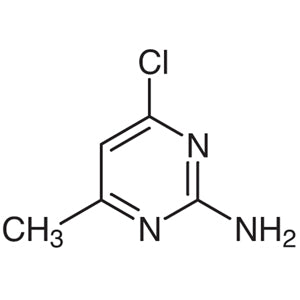
2-Amino-4-chloro-6-methylpyrimidine TCI A1088
Regular price From Rp 584.850,00Regular price -
2-Chloro-5-methylpyrimidine TCI C2957
Regular price Rp 875.700,00Regular price