2-Chloro-5-methylpyrimidine (CAS 22536-61-4) is a pyrimidine derivative with a chlorine atom at the 2-position and a methyl group at the 5-position. Pyrimidine is an aromatic heterocycle containing two nitrogen atoms. Its framework appears in many bioactive molecules, from nucleic acid bases to a wide range of drug candidates. In the laboratory, this TCI compound serves as a heterocyclic building block for introducing the 5-methylpyrimidin-2-yl core into more complex molecules. It is used mainly in medicinal chemistry research and agrochemical synthesis.
The chlorine atom at the 2-position sits between the two ring nitrogen atoms, which makes this position strongly electrophilic. As a result, the chlorine is readily displaced by amines, alkoxides, or thiolates through nucleophilic aromatic substitution (SNAr). The same position can also take part in palladium-catalysed cross-coupling reactions to form carbon-carbon and carbon-nitrogen bonds. The methyl group at the 5-position adds a modest amount of lipophilicity and gives the molecule a distinctive substitution pattern. Its predictable reactivity and simple structure make it a popular choice for building compound libraries.
For Indonesian laboratories, the 1 g pack size suits the exploratory stage of a project well. Typical uses include testing reaction conditions, preparing small batches of target compounds, and confirming synthetic routes before moving to larger quantities. University research groups working in organic and medicinal chemistry, as well as industrial R&D teams developing pharmaceutical or agrochemical candidates, can use this reagent to prepare substituted pyrimidine analogues. It is also useful for structure-activity relationship studies and for training students in heteroaromatic substitution chemistry.
Related TCI products
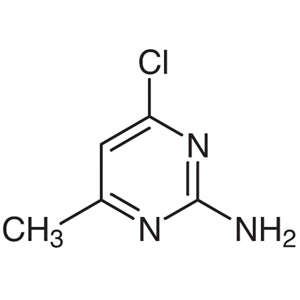
- TCI A1088 5600-21-5 2-Amino-4-chloro-6-methylpyrimidine
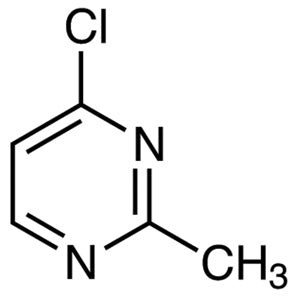
- TCI C2835 4994-86-9 4-Chloro-2-methylpyrimidine
- TCI C2631 13036-57-2 2-Chloro-4-methylpyrimidine
- TCI B5266 7752-78-5 5-Bromo-2-methylpyrimidine
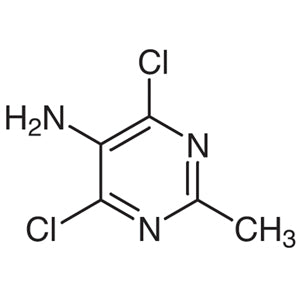
- TCI A1946 39906-04-2 5-Amino-4,6-dichloro-2-methylpyrimidine
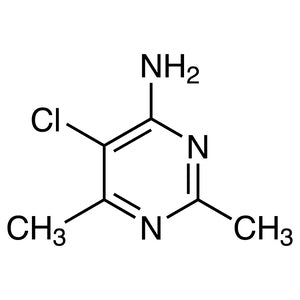
- TCI A1901 2858-20-0 4-Amino-5-chloro-2,6-dimethylpyrimidine
- Nucleophilic aromatic substitution (SNAr): the 2-chloro position between the two ring nitrogens is highly electrophilic, so amines, alkoxides, and thiolates displace the chlorine readily.
- Palladium-catalysed cross-coupling: the reactive carbon-chlorine bond at the 2-position lets chemists form new carbon-carbon or carbon-nitrogen bonds and attach the pyrimidine core to aryl groups or amine partners.
- Medicinal chemistry research: pyrimidine scaffolds are common in bioactive molecules and drug candidates, so this building block helps chemists prepare analogues for biological screening programmes.
- Agrochemical synthesis: the 5-methylpyrimidin-2-yl unit can be built into candidate structures for crop-protection research, and its clear reactivity simplifies the route design.
- Compound library construction: the simple structure and predictable substitution chemistry allow many derivatives to be made in parallel from one common heterocyclic starting material.
| Brand | TCI (product code C2957) |
|---|---|
| CAS number | 22536-61-4 |
| Molecular formula | — |
| Purity | — |
| Category | Chemistry > Building Blocks > Heterocyclic Building Blocks |
| Pack sizes | 1 g |
| Physical form | see the TCI product label and Certificate of Analysis |
| Storage | follow the conditions on the TCI label and Safety Data Sheet |
Keep 2-Chloro-5-methylpyrimidine in its original, tightly closed container. Store it in a cool, dry, well-ventilated area away from strong oxidising agents, strong bases, and sources of moisture. Always follow the storage conditions on the TCI label and Safety Data Sheet. Handle the compound in a fume hood and wear suitable personal protective equipment, including nitrile gloves, safety glasses, and a laboratory coat. Avoid breathing dust or vapour, and avoid contact with skin and eyes. Halogenated heteroaromatic compounds can be irritating, so wash your hands thoroughly after handling. Reseal the container immediately after weighing. Dispose of residues and contaminated materials as halogenated organic waste under your institution's procedures.
—
Produk Terkait
-
2-Amino-4-chloro-6-methylpyrimidine TCI A1088
Regular price From Rp 637.350,00Regular priceRp 460.950,00Sale price From Rp 637.350,00 -
4-Chloro-2-methylpyrimidine TCI C2835
Regular price From Rp 1.087.800,00Regular priceRp 775.950,00Sale price From Rp 1.087.800,00 -
2-Chloro-4-methylpyrimidine TCI C2631
Regular price From Rp 1.220.100,00Regular priceRp 868.350,00Sale price From Rp 1.220.100,00 -
5-Bromo-2-methylpyrimidine TCI B5266
Regular price From Rp 875.700,00Regular priceRp 627.900,00Sale price From Rp 875.700,00 -
5-Amino-4,6-dichloro-2-methylpyrimidine TCI A1946
Regular price From Rp 2.491.650,00Regular priceRp 1.757.700,00Sale price From Rp 2.491.650,00 -
4-Amino-5-chloro-2,6-dimethylpyrimidine TCI A1901
Regular price From Rp 1.060.500,00Regular priceRp 757.050,00Sale price From Rp 1.060.500,00 -
4,6-Dichloro-5-methylpyrimidine TCI D4091
Regular price From Rp 2.199.750,00Regular priceRp 1.554.000,00Sale price From Rp 2.199.750,00 -
2,4-Dichloro-5-methylpyrimidine TCI D3613
Regular price From Rp 557.550,00Regular priceRp 405.300,00Sale price From Rp 557.550,00