Ethyl 4-Methylpentanoate is a simple aliphatic ester formed from 4-methylpentanoic acid and ethanol, giving it a branched methyl group along the isohexyl chain. The compound is widely recognised as a fruity-smelling ester and is one of the components frequently studied in flavour and fragrance research. In the laboratory it serves a dual role: as a reference compound in aroma analysis by gas chromatography, and as a non-heterocyclic building block for organic syntheses that require a branched six-carbon fragment. Supplied by TCI under catalogue number E1626, it sits within the chemistry building blocks portfolio used by both analytical and synthetic groups.
The properties that make this ester a preferred choice are its low polarity, moderate volatility and chemical stability under neutral conditions. Because it carries no reactive functional group other than the ester itself, the material is easy to handle, does not demand air-free technique, and produces sharp chromatographic peaks that make it well suited as an analytical standard. From a synthetic standpoint, the ester group can be hydrolysed to the corresponding carboxylic acid, reduced to a primary alcohol, or converted into an enolate for alkylation and condensation reactions. The methyl branch along the chain introduces mild steric hindrance that is often exploited when studying how branching influences reactivity.
In Indonesian laboratories this profile suits everyday bench work rather than specialised infrastructure. Flavour and fragrance groups use it as an aroma reference in gas chromatography runs, while synthetic chemistry laboratories in universities and research institutes draw on it when a branched six-carbon ester fragment is needed. Because no air-free or inert-atmosphere setup is required, the material integrates easily into teaching laboratories and routine analytical workflows alongside other TCI building blocks.
- Gas chromatography aroma reference — the compound's moderate volatility and low polarity give sharp, well-resolved peaks, making it dependable for identifying and confirming ester components in aroma profiles.
- Flavour and fragrance research — as a well-known fruity ester frequently studied in this field, it serves as a representative sample when characterising ester contributions to aroma composition.
- Non-heterocyclic building block for organic synthesis — the branched six-carbon chain supplies a ready-made isohexyl fragment for syntheses that would otherwise require multi-step chain construction.
- Ester transformation chemistry — the ester group can be hydrolysed to 4-methylpentanoic acid or reduced to the primary alcohol, giving a single starting material access to several functional outcomes.
- Enolate alkylation and condensation studies — deprotonation generates an enolate for carbon–carbon bond formation, while the methyl branch provides mild steric hindrance useful for probing branching effects on reactivity.
| Brand | TCI, catalogue number E1626 |
|---|---|
| CAS number | 25415-67-2 |
| Molecular formula | — |
| Purity | — |
| Category | Chemistry > Building Blocks > Non-Heterocyclic Building Blocks |
| Pack sizes | available in the standard TCI catalogue pack sizes; please confirm the required size when ordering |
| Physical form | — |
| Storage | keep tightly closed in a cool, well-ventilated area away from ignition sources |
- Chemical class: aliphatic ester of 4-methylpentanoic acid and ethanol
Store the container tightly closed in a cool, dry and well-ventilated area, away from heat, direct sunlight and sources of ignition. Original manufacturer bottles or compatible glass containers with secure closures are appropriate, and containers should be reclosed promptly after each withdrawal to limit evaporation of this moderately volatile ester. Handle in a fume hood, wear safety glasses, gloves and a laboratory coat, and avoid prolonged inhalation of vapour. No air-free or inert-atmosphere handling is required, since the compound is chemically stable under neutral conditions. Keep separate from strong oxidising agents, strong acids and strong bases, and dispose of residues through the laboratory's standard chemical waste procedure.
—
Produk Terkait
-
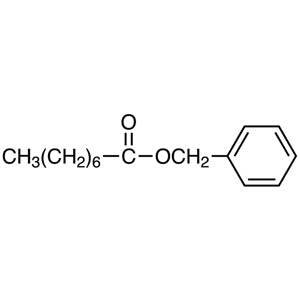
BenzylOctanoate TCI B6116
Regular price Rp 1.538.250,00Regular price -
tert-Butyl4-Bromobutanoate TCI B6167
Regular price Rp 2.439.150,00Regular price -
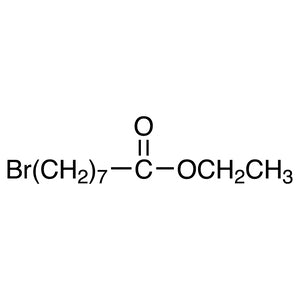
Ethyl8-Bromooctanoate TCI B6430
Regular price From Rp 928.200,00Regular price -
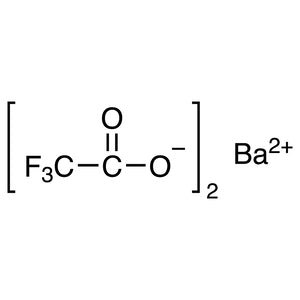
Barium(II)Trifluoroacetate TCI B6582
Regular price From Rp 2.068.500,00Regular price -
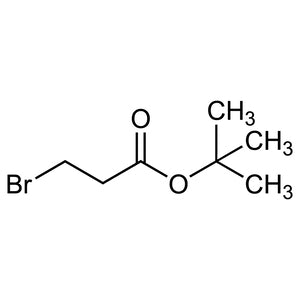
tert-Butyl3-Bromopropanoate TCI B6840
Regular price From Rp 2.545.200,00Regular price -
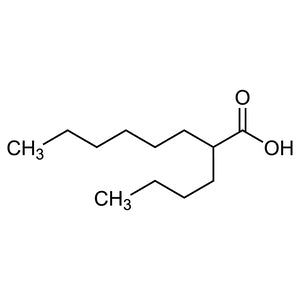
2-ButyloctanoicAcid TCI B6845
Regular price From Rp 848.400,00Regular price -
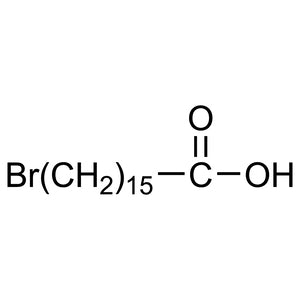
16-BromohexadecanoicAcid TCI B6915
Regular price From Rp 1.378.650,00Regular price -
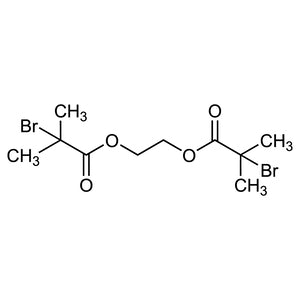
EthyleneBis(2-bromoisobutyrate) TCI B7067
Regular price From Rp 1.829.100,00Regular price