Gelatin Methacrylate (GMA), with CAS number 2280018-77-9, is a key chemical used in biomaterial and biocompatibility research. It is a modified form of gelatin, chemically altered with methacrylate groups to enhance its functional properties for medical and biomedical applications. In the laboratory, GMA serves as a foundational material for the synthesis of hydrogels, which are widely utilized in various scientific fields. Its versatility and biocompatibility make it an essential reagent for researchers working on advanced biomaterials.
The properties of GMA that make it a preferred choice include its high biocompatibility, which ensures safe interaction with biological systems, and its ability to form flexible, customizable structures. The 60% degree of substitution indicates that a significant portion of the gelatin chain has been replaced with methacrylate groups, enhancing reactivity and stability. This chemical modification allows for better cross-linking and mechanical properties, making it suitable for a wide range of applications. Its solubility in aqueous solutions further supports its use in hydrogel preparation and biomedical research.
In Indonesian laboratories, GMA is a critical component in the development of medical products such as implants, wound healing materials, and medical devices. It is commonly used in research institutions and universities to support innovations in biocompatible materials. Its role in advancing biomedical technologies is vital, especially in the context of local scientific development and healthcare improvement.
- Biomedical Research: GMA is ideal for developing biocompatible materials due to its ability to form flexible hydrogels that mimic biological tissues.
- Tissue Engineering: The material supports the creation of scaffolds that promote cell growth and tissue regeneration in controlled environments.
- Wound Healing Applications: Its biocompatible nature makes it suitable for designing materials that aid in the repair and regeneration of damaged tissues.
- Medical Device Development: GMA is used to fabricate implants and other medical devices that require structural integrity and biocompatibility.
- Hydrogel Synthesis: The material's reactivity and solubility properties make it a preferred choice for preparing hydrogels used in various biomedical applications.
| Brand | TCI |
|---|---|
| CAS number | 2280018-77-9 |
| Molecular formula | — |
| Purity | — |
| Category | Materials Science > Biomaterials/Biocompatible Materials Research Reagents > Monomers and Macromonomers |
| Pack sizes | Available in various quantities as per standard laboratory supply |
| Physical form | Solid powder |
| Storage | Store in a cool, dry place away from direct sunlight |
Gelatin Methacrylate should be stored in a cool, dry environment to maintain its chemical integrity and prevent degradation. It is recommended to keep the material in a sealed container to avoid moisture absorption, which can affect its performance. Due to its chemical nature, it should be handled with appropriate personal protective equipment, such as gloves and safety goggles, to ensure laboratory safety. The material should be stored away from incompatible substances to prevent any potential chemical reactions. Proper labeling of storage containers is essential for safe handling and easy identification. Regular inspection of storage conditions is advised to ensure the material remains in optimal condition for use in research applications.
—
Produk Terkait
-
Galactitol TCI G0005
Regular price From Rp 1.329.300,00Regular price -
D-(+)-GalactosamineHydrochloride TCI G0007
Regular price From Rp 2.067.450,00Regular price -
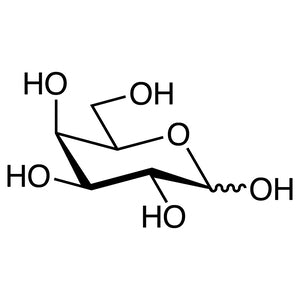
D-(+)-GalactoseAnhydrous TCI G0008
Regular price From Rp 502.950,00Regular price -
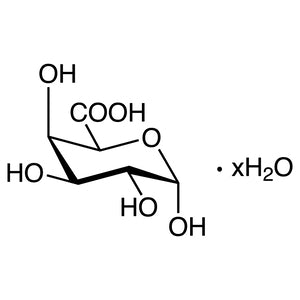
alpha-D-GalacturonicAcidHydrate TCI G0010
Regular price Rp 2.509.500,00Regular price -
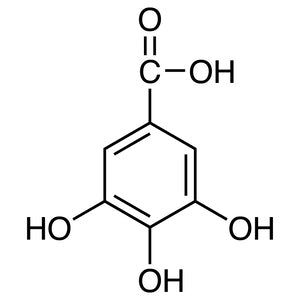
GallicAcid TCI G0011
Regular price From Rp 562.800,00Regular price -
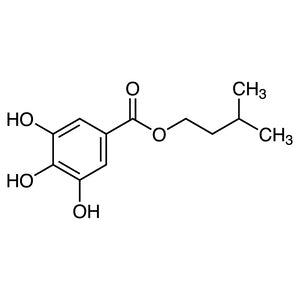
IsoamylGallate TCI G0012
Regular price From Rp 2.038.050,00Regular price -
HexadecylGallate TCI G0013
Regular price From Rp 3.807.300,00Regular price -
SyringicAcid TCI G0014
Regular price From Rp 2.509.500,00Regular price