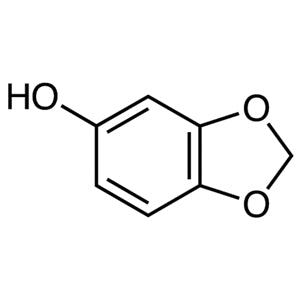
Siringic Acid, also known as TCI G0014 530-57-4, is an organic compound widely used in biomedical and pharmacological research. It plays a crucial role in laboratory settings, particularly in the study of cancer biology and cellular mechanisms. This compound is commonly found in experiments focused on cell growth regulation and the development of therapeutic strategies. As a phenolic compound, Siringic Acid exhibits antioxidant properties and influences various metabolic pathways within cells. Its ability to modulate cellular processes makes it a valuable tool for investigating the biological effects on cancer cells, including the inhibition of proliferation and induction of apoptosis.
The chemical stability and solubility of Siringic Acid make it a preferred choice for researchers. It dissolves well in organic solvents such as ethyl acetate and ethanol, facilitating its use in a variety of experimental protocols. The high purity and consistent quality of this compound ensure reliable results in sensitive experiments. Additionally, its complex molecular structure allows for the exploration of diverse chemical reactions and molecular interactions, enhancing its utility in advanced research applications. These properties contribute to its widespread use in both academic and industrial research environments.
In Indonesian laboratories, Siringic Acid is commonly used in cancer research, particularly in drug testing and compound modification efforts. Researchers rely on this compound to understand disease mechanisms and develop alternative therapeutic solutions. Its availability and quality make it a popular choice for studies aimed at improving treatment efficacy and exploring new therapeutic approaches in the field of oncology.
TCI brochures (PDF)
- Antioxidants for Research and Experimental Use 2026-07-29 · p. 2
- Phytochemicals 2025-12-17 · p. 14
- Reagents for Biological Research 2025-03-11 · p. 41
- Cancer Research: Siringic Acid is used to study the effects of compounds on cancer cell proliferation and apoptosis, supporting the development of targeted therapies.
- Pharmacological Studies: Its antioxidant properties make it suitable for investigating the role of phenolic compounds in drug metabolism and bioavailability.
- Cellular Metabolism Analysis: The compound's ability to influence metabolic pathways aids in understanding cellular responses to various stimuli and stress conditions.
- Drug Development: Siringic Acid is employed in the screening of new compounds for potential therapeutic applications in oncology and related fields.
- Molecular Interaction Studies: Its complex structure allows researchers to explore molecular interactions and chemical reactivity in biochemical assays.
| Brand | TCI |
|---|---|
| CAS number | 530-57-4 |
| Molecular formula | — |
| Purity | — |
| Category | Life Science > Cell Biology > Cancer Research |
| Pack sizes | Available in various quantities to meet research needs |
| Physical form | Solid or powder, depending on the specific product variant |
| Storage | Store in a cool, dry place away from direct sunlight |
Siringic Acid should be stored in a cool, dry environment to maintain its chemical stability and prevent degradation. It is recommended to keep the compound in a tightly sealed container to minimize exposure to moisture and air. Due to its phenolic nature, it is advisable to handle the material with appropriate personal protective equipment, such as gloves and safety goggles. The compound should be stored away from incompatible substances to avoid any potential chemical reactions. In laboratory settings, it is important to follow standard safety protocols to ensure safe handling and proper disposal. Regular monitoring of storage conditions helps maintain the integrity of the compound for reliable experimental results.
—
Produk Terkait
-
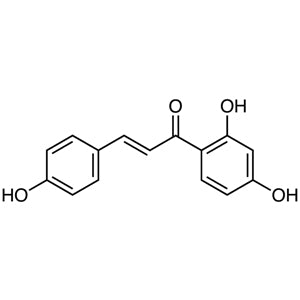
Isoliquiritigenin TCI I0822
Regular price From Rp 1.035.300,00Regular price -
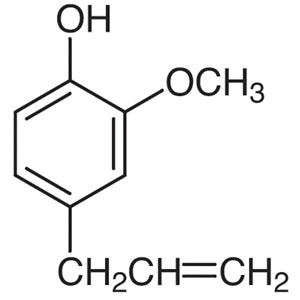
Eugenol TCI A0232
Regular price From Rp 505.050,00Regular price -
Tetrahydrocurcumin TCI T3587
Regular price From Rp 2.386.650,00Regular price -
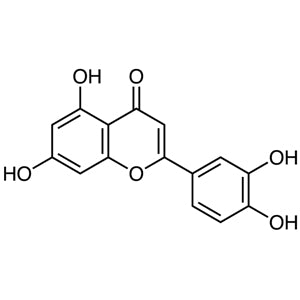
3',4',5,7-Tetrahydroxyflavone TCI T2682
Regular price From Rp 1.565.550,00Regular price -
Butein TCI B3803
Regular price From Rp 3.048.150,00Regular price -
Silybin(mixtureofSilybinAandSilybinB) TCI S0508
Regular price From Rp 2.227.050,00Regular price -
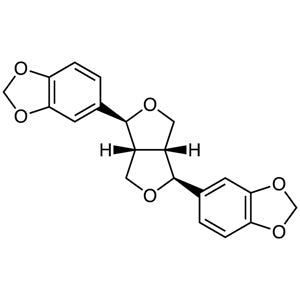
Sesamin TCI S0495
Regular price Rp 5.194.350,00Regular price -
Sesamol TCI S0418
Regular price Rp 2.121.000,00Regular price