Sesamol is a chemical compound widely used in scientific experiments, particularly in the fields of biochemistry and pharmacology. It is a phenolic compound known for its antioxidant properties, making it a valuable tool in research focused on natural compounds and their biological effects. This compound plays a key role in understanding the mechanisms of natural substances and their potential applications in health and medicine. Its chemical structure is unique, and it is often employed in studies related to antimicrobial, anti-inflammatory, and other bioactive properties.
Sesamol is valued for its chemical stability and solubility in organic solvents such as ethyl acetate and ethanol. These properties make it ideal for use in chemical reactions, synthesis processes, and analytical methods. Its ability to dissolve in common laboratory solvents enhances its versatility in various experimental setups. Additionally, sesamol has a distinct aroma, which is useful in research related to flavor and fragrance analysis. This characteristic also aids in the identification of compounds through analytical techniques like chromatography.
In Indonesian laboratories, sesamol is commonly used in research involving natural products, such as the development of pharmaceuticals and cosmetics. It is also utilized in experiments aimed at studying the mechanisms of chemical reactions and the effects of natural compounds on biological systems. Its presence in scientific studies helps researchers explore new avenues in drug discovery and biochemical analysis.
TCI brochures (PDF)
- Antioxidants for Research and Experimental Use 2026-07-29 · p. 2
- Phytochemicals 2025-12-17 · p. 14
- Reagents for Biological Research 2025-03-11 · p. 41
- Used in biochemistry research for studying antioxidant properties and natural compound interactions.
- Applied in pharmacology experiments to evaluate antimicrobial and anti-inflammatory effects of natural substances.
- Employed in analytical chemistry for compound identification through chromatographic techniques.
- Utilized in synthetic chemistry for the preparation of other organic compounds and derivatives.
- Incorporated in sensory research to analyze and develop flavor and fragrance compounds.
| Brand | TCI |
|---|---|
| CAS number | 533-31-3 |
| Molecular formula | — |
| Purity | — |
| Category | Life Science > Biochemicals and Reagents > Crude Medicine Ingredients for Research and Experimental Use |
| Pack sizes | Available in various quantities as per standard laboratory requirements |
| Physical form | Solid, typically in crystalline or powder form |
| Storage | Store in a cool, dry place away from light and moisture |
Sesamol should be stored in a cool, dry place, away from direct sunlight and moisture to maintain its chemical stability. It is recommended to use airtight containers made of glass or polyethylene to prevent contamination and degradation. Due to its aromatic nature, it should be handled in a well-ventilated area to avoid inhalation of vapors. Laboratory personnel should wear appropriate personal protective equipment, such as gloves and safety goggles, when handling this compound. It is important to keep it away from incompatible substances to ensure safe storage and usage. Proper labeling of containers is essential for safe handling and to prevent accidental exposure.
—
Product Categories
- Biochemicals and ReagentsCrude Medicine Ingredients for Research and Experimental Use
- Cell BiologyCancer ResearchAntitumor Agents for Research
- Cell BiologyCancer ResearchChemopreventive Agents [Cancer Research]
- Cell BiologyNutrition ResearchPhytochemicals
- Molecular BiologyAntioxidants [Life Science]
- Pharmaceutical Development and Drug Discovery ResearchCrude Medicine Ingredients for Research and Experimental Use
Produk Terkait
-
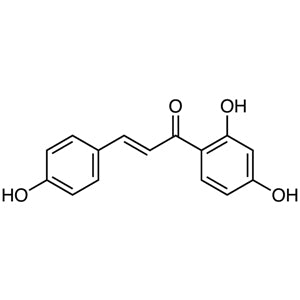
Isoliquiritigenin TCI I0822
Regular price From Rp 1.087.800,00Regular priceRp 775.950,00Sale price From Rp 1.087.800,00 -
Tetrahydrocurcumin TCI T3587
Regular price From Rp 2.439.150,00Regular priceRp 1.720.950,00Sale price From Rp 2.439.150,00 -
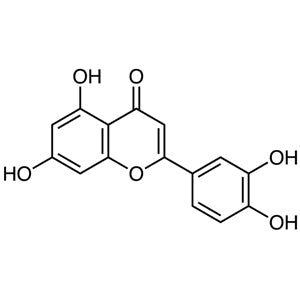
3',4',5,7-Tetrahydroxyflavone TCI T2682
Regular price From Rp 1.618.050,00Regular priceRp 1.146.600,00Sale price From Rp 1.618.050,00 -
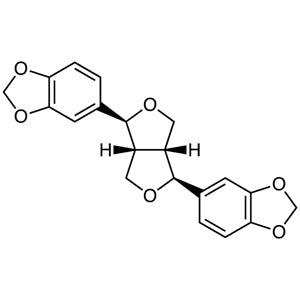
Sesamin TCI S0495
Regular price Rp 5.246.850,00Regular priceRp 3.684.450,00Sale price Rp 5.246.850,00 -
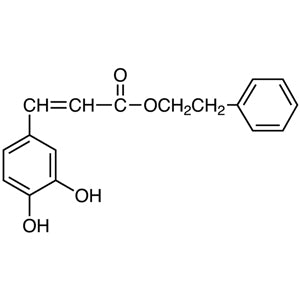
PhenethylCaffeate TCI P2088
Regular price From Rp 1.087.800,00Regular priceRp 775.950,00Sale price From Rp 1.087.800,00 -
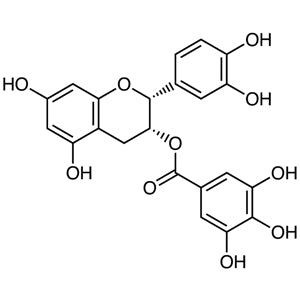
(-)-EpicatechinGallate TCI E0890
Regular price From Rp 5.803.350,00Regular priceRp 4.074.000,00Sale price From Rp 5.803.350,00 -
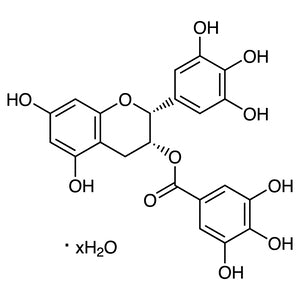
(-)-EpigallocatechinGallateHydrate TCI E0694
Regular price From Rp 2.173.500,00Regular priceRp 1.535.100,00Sale price From Rp 2.173.500,00 -
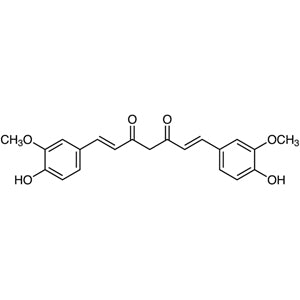
Curcumin(Synthetic) TCI C2302
Regular price From Rp 1.246.350,00Regular priceRp 887.250,00Sale price From Rp 1.246.350,00