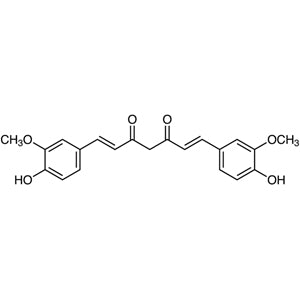
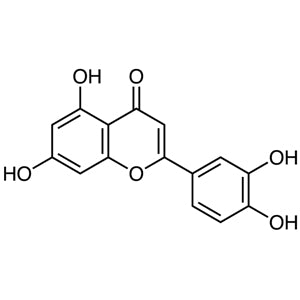
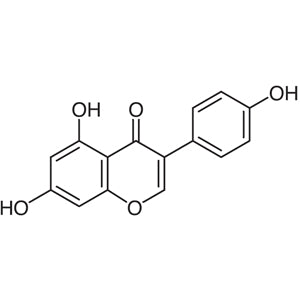
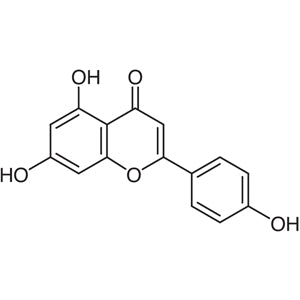
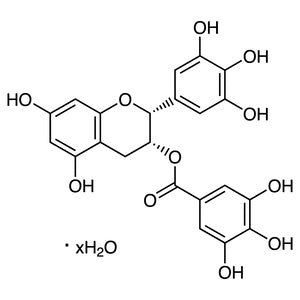
Curcumin (Synthetic) TCI C2302 is a chemical compound widely utilized in scientific research, particularly in the fields of biochemistry and pharmaceutical sciences. As a synthetic derivative of curcumin found naturally in turmeric, it serves as a key reagent in experimental studies aimed at understanding biological mechanisms and therapeutic potential. Its versatility makes it an essential component in laboratories conducting research on antioxidant, anti-inflammatory, and pharmacological properties of natural compounds. This compound is frequently employed in both qualitative and quantitative analyses, supporting a broad range of scientific investigations.
Curcumin is prized for its chemical stability and solubility in organic solvents such as ethyl acetate and ethanol, which facilitates its use in various chemical reactions and analytical procedures. Its ability to react effectively with different substrates enhances its applicability in biological assays, making it a preferred choice for researchers seeking reliable and consistent results. Additionally, its high purity ensures accuracy in experiments that require precise measurements and reproducible outcomes. These properties contribute to its widespread use in both academic and industrial research settings.
In Indonesian laboratories, curcumin is commonly used in studies related to health, pharmacology, and nutrition. It is a favored material for investigating the bioavailability and efficacy of natural compounds, supporting research into potential therapeutic applications. Its availability and reliability make it a go-to option for scientists working on projects that require a stable and high-quality reagent. This compound plays a crucial role in advancing scientific knowledge and innovation in the region.
Advantages (TCI brochure)
- Dietary constituent of turmeric
- Has chemopreventive and chemotherapeutic potentials against various types of cancers
TCI brochures (PDF)
- Curcumin Analogue with Enhanced Antitumor Activities 2024-09-17 · p. 1
- Antibiotic Ingredients for Drug-Resistant Pathogens 2026-10-01 · p. 1
- Efflux Pump Research Reagents 2024-12-24 · p. 1
- Biofilm Research Reagents 2024-06-21 · p. 1
- Receptor Tyrosine Kinase (RTK) Inhibitors 2026-04-06 · p. 1
- Crude Medicine Ingredients for Cancer Research 2025-02-17 · p. 1
- Biochemical Research: Curcumin is used to study antioxidant and anti-inflammatory properties due to its chemical stability and reactivity.
- Pharmacological Studies: It supports research into drug development by analyzing its pharmacological effects and biological interactions.
- Nutritional Analysis: Curcumin is employed in studies assessing the bioavailability and health benefits of natural compounds in food.
- Synthetic Chemistry: Its solubility in organic solvents makes it ideal for chemical synthesis and compound modification.
- Analytical Chemistry: It is used as a reagent in chromatographic and spectroscopic analyses due to its consistent chemical behavior.
From the TCI brochure
- Chemoprevention and chemotherapy of various cancers (potential)
| Brand | TCI |
|---|---|
| CAS number | 458-37-7 |
| Molecular formula | — |
| Purity | — |
| Category | Life Science > Biochemicals and Reagents > Crude Medicine Ingredients for Research and Experimental Use |
| Pack sizes | As per supplier specifications |
| Physical form | Powder |
| Storage | Store in a cool, dry place away from light |
Curcumin should be stored in a cool, dry environment, away from direct sunlight and moisture to maintain its chemical stability. It is recommended to keep it in a tightly sealed container to prevent contamination and degradation. Due to its organic nature, it is best stored in glass or high-density polyethylene containers to ensure safety and purity. Avoid exposure to strong oxidizing agents or reactive substances to prevent unwanted chemical reactions. Proper labeling and storage conditions are essential to ensure its integrity and usability in laboratory settings. Always handle with care, using appropriate personal protective equipment when necessary.
—
Product Categories
- Biochemicals and ReagentsCrude Medicine Ingredients for Research and Experimental Use
- Biochemicals and ReagentsEnzymes, Enzyme Inhibitors, Enzyme SubstratesEnzymes [by Application]
- Biochemicals and ReagentsEnzymes, Enzyme Inhibitors, Enzyme SubstratesEnzyme Inhibitors [Biochemicals and Reagents]
- Biochemicals and ReagentsPharmaceutical Research Reagents (for Experimental Use)Anti-inflammatory Ingredients (for Research and Experimental Use)
- Biochemicals and ReagentsPhenylpropanoids, Aromatic PolyketidesAromatic Polyketides
- Cell BiologyCancer ResearchAntitumor Agents for Research
- Cell BiologyCancer ResearchCancer Metabolism
- Cell BiologyCancer ResearchChemopreventive Agents [Cancer Research]
- Cell BiologyCancer ResearchTumor Growth Regulation [Cancer Research]
- Cell BiologyCell Signaling and NeuroscienceKinase/Phosphatase Biology
- Cell BiologyImmune System, Inflammation, Allergy ResearchCyclooxygenase (COX) Inhibitors
- Cell BiologyImmune System, Inflammation, Allergy ResearchNF-κB Activation Inhibitors
- Cell BiologyNutrition ResearchPhytochemicals
- MicrobiologyBiofilm ResearchBiofilm Inhibitors and Suppressors, etc.
- MicrobiologyEfflux Pump ResearchEfflux Pump Inhibitors
- Molecular BiologyEpigeneticsBioactive Small Molecules for Epigenetic Research
- Molecular BiologyAntioxidants [Life Science]
- Pharmaceutical Development and Drug Discovery ResearchPharmaceutical Research Reagents (for Experimental Use)Anti-inflammatory Ingredients (for Research and Experimental Use)
- Pharmaceutical Development and Drug Discovery ResearchCrude Medicine Ingredients for Research and Experimental Use
Produk Terkait
-
Curcumin(Natural) TCI C0434
Regular price From Rp 637.350,00Regular price -
3',4',5,7-Tetrahydroxyflavone TCI T2682
Regular price From Rp 1.565.550,00Regular price -
Butein TCI B3803
Regular price From Rp 3.048.150,00Regular price -
QuercetinHydrate TCI P0042
Regular price Rp 1.326.150,00Regular price -
Genistein TCI G0272
Regular price From Rp 1.644.300,00Regular price -
Apigenin TCI A1514
Regular price Rp 5.778.150,00Regular price -
Kaempferol TCI K0018
Regular price From Rp 3.207.750,00Regular price -
(-)-EpigallocatechinGallateHydrate TCI E0694
Regular price From Rp 2.121.000,00Regular price