Apigenin is a natural flavonoid compound widely used in life sciences research. It plays a crucial role in experimental studies focused on bioactive compounds derived from plants. This compound is commonly utilized to investigate the antioxidant, anti-inflammatory, and potential therapeutic effects of plant-based substances. Apigenin is naturally found in various plants such as chamomile, aster flowers, and parsley leaves. Its presence in these natural sources makes it a valuable tool for researchers seeking to explore the biological and pharmacological properties of plant-derived compounds.
One of the key attributes that make Apigenin a preferred choice in laboratories is its high purity and solubility in organic solvents. These characteristics ensure reliable and consistent results in experimental setups. Apigenin is also known for its stability under certain conditions, although it is sensitive to light and oxidation. This sensitivity necessitates careful handling and storage to maintain its integrity and effectiveness. Due to these properties, Apigenin is often selected for experiments requiring precision and reproducibility.
In Indonesian laboratories, Apigenin is extensively used in pharmacology, biochemistry, and phytochemistry research. It is a popular choice for studies examining the bioactive effects of local plant species. Its availability in pure form supports the isolation and application of bioactive compounds in various experimental contexts. As a result, Apigenin remains a key component in the research toolkit of Indonesian scientific institutions.
TCI brochures (PDF)
- Quorum Sensing Research Reagents 2024-10-17 · p. 1
- Crude Medicine Ingredients for Cancer Research 2025-02-17 · p. 1
- Traditional Medicine/Crude Medicine Research Reagents 2024-09-11 · p. 2
- Polyphenols 2024-12-05 · p. 1
- Plant Research Reagents 2026-02-24 · p. 9
- Phytochemicals 2025-12-17 · p. 10
- Pharmacological research to study the therapeutic potential of plant-derived compounds due to its antioxidant and anti-inflammatory properties.
- Biochemical experiments to analyze the molecular mechanisms of bioactive substances in plant extracts.
- Phytochemical studies to identify and characterize natural compounds with medicinal applications.
- Cell culture experiments to investigate the biological effects of Apigenin on different cell types and tissues.
- Experimental models for drug development to assess the pharmacological activity of natural compounds.
| Brand | TCI |
|---|---|
| CAS number | 520-36-5 |
| Molecular formula | — |
| Purity | — |
| Category | Life Science > Biochemicals and Reagents > Crude Medicine Ingredients for Research and Experimental Use |
| Pack sizes | — |
| Physical form | — |
| Storage | Store in a cool, dark place away from light and oxidizing agents. |
Apigenin should be stored in a cool, dark environment to prevent degradation due to light and oxidation. It is recommended to use amber-colored glass containers to minimize exposure to light. The compound should be kept in a dry place to avoid moisture absorption, which may affect its stability. Proper labeling of containers is essential to ensure safe handling and prevent contamination. Laboratory personnel should wear appropriate personal protective equipment when handling Apigenin to ensure safety. Regular monitoring of storage conditions is advised to maintain the compound's integrity and effectiveness for research purposes.
—
Product Categories
- Biochemicals and ReagentsCrude Medicine Ingredients for Research and Experimental Use
- Biochemicals and ReagentsPhenylpropanoids, Aromatic PolyketidesAromatic Polyketides
- Cell BiologyCancer ResearchAntitumor Agents for Research
- Cell BiologyCancer ResearchCancer Metabolism
- Cell BiologyCancer ResearchChemopreventive Agents [Cancer Research]
- Cell BiologyCell Signaling and NeuroscienceKinase/Phosphatase Biology
- Cell BiologyNutrition ResearchPhytochemicals
- MicrobiologyBiofilm ResearchBiofilm Inhibitors and Suppressors, etc.
- Pharmaceutical Development and Drug Discovery ResearchCrude Medicine Ingredients for Research and Experimental Use
Produk Terkait
-
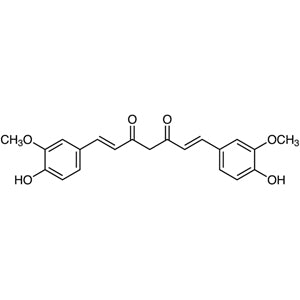
Curcumin(Synthetic) TCI C2302
Regular price From Rp 1.246.350,00Regular priceRp 887.250,00Sale price From Rp 1.246.350,00 -
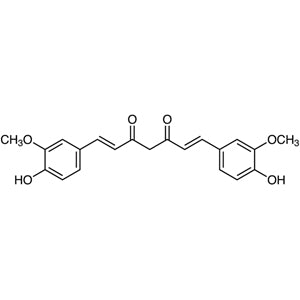
Curcumin(Natural) TCI C0434
Regular price From Rp 637.350,00Regular priceRp 445.200,00Sale price From Rp 637.350,00 -
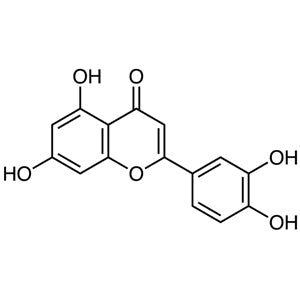
3',4',5,7-Tetrahydroxyflavone TCI T2682
Regular price From Rp 1.618.050,00Regular priceRp 1.146.600,00Sale price From Rp 1.618.050,00 -
QuercetinHydrate TCI P0042
Regular price Rp 1.378.650,00Regular priceRp 979.650,00Sale price Rp 1.378.650,00 -
Naringin TCI N0073
Regular price Rp 1.670.550,00Regular priceRp 1.183.350,00Sale price Rp 1.670.550,00 -
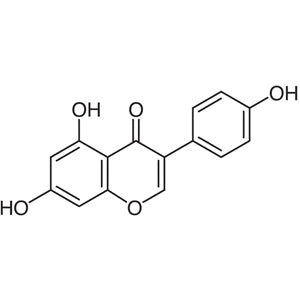
Genistein TCI G0272
Regular price From Rp 1.696.800,00Regular priceRp 1.202.250,00Sale price From Rp 1.696.800,00 -
Butein TCI B3803
Regular price From Rp 3.100.650,00Regular priceRp 2.184.000,00Sale price From Rp 3.100.650,00 -
Kaempferol TCI K0018
Regular price From Rp 3.260.250,00Regular priceRp 2.295.300,00Sale price From Rp 3.260.250,00