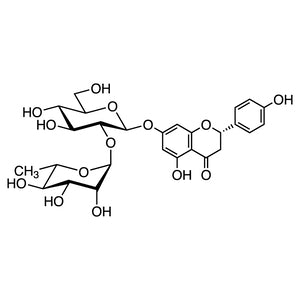
Naringin is a flavonoid compound with a complex chemical structure and is recognized as one of the active components in various medicinal plants. It plays a vital role in chemical and biological research, particularly in the study of natural compounds' antioxidant, anti-inflammatory, and pharmacological properties. In the laboratory, naringin serves as a key reagent for the synthesis of other compounds or as a test material in biological activity assays. Its stability and detectability make it a preferred choice for a wide range of chemical and biochemical experiments.
Naringin is valued for its chemical characteristics that allow it to interact with various substances under both acidic and basic conditions. It exhibits good solubility in organic solvents, making it suitable for analytical methods such as chromatography and spectroscopy. These properties enhance its versatility in experimental settings, supporting its use in diverse scientific investigations. Its ability to participate in multiple chemical reactions also makes it a valuable tool in the development of new pharmaceuticals and bioactive compounds.
In Indonesian laboratories, naringin is widely used in research related to local medicinal plants and the development of new drugs. It is a popular material among scientific institutions and research centers focused on pharmacology and biochemical studies. Its availability and reliability make it an essential component in the pursuit of scientific discovery and innovation in the field of natural product research.
TCI brochures (PDF)
- Biofilm Research Reagents 2024-06-21 · p. 2
- Antioxidants for Research and Experimental Use 2026-07-29 · p. 2
- Polyphenols 2024-12-05 · p. 1
- Phytochemicals 2025-12-17 · p. 11
- Reagents for Glyco Chemistry & Biology 5th Edition · p. 85
- Bioactive Compound Screening: Naringin is used to evaluate the biological activity of natural extracts, aiding in the identification of potential therapeutic agents.
- Antioxidant Activity Testing: Its inherent antioxidant properties make it suitable for experiments measuring free radical scavenging capacity in various samples.
- Pharmacological Research: Naringin supports studies on the pharmacological effects of plant-derived compounds, contributing to drug discovery efforts.
- Chromatographic Analysis: Its solubility in organic solvents allows it to be used as a standard in chromatographic techniques for compound separation and identification.
- Natural Product Synthesis: It serves as a building block in the synthesis of other flavonoid derivatives, supporting the development of novel pharmaceutical compounds.
| Brand | TCI |
|---|---|
| CAS number | 10236-47-2 |
| Molecular formula | — |
| Purity | — |
| Category | Chemistry > Chemical Biology > Glycoscience |
| Pack sizes | Available in various quantities as per supplier specifications |
| Physical form | Solid (as per standard product description) |
| Storage | Store in a cool, dry place away from direct sunlight |
Naringin should be stored in a cool, dry environment to maintain its chemical stability and prevent degradation. It is recommended to keep it in a tightly sealed container to avoid moisture absorption and contamination. Due to its solubility in organic solvents, it should be handled in a well-ventilated area to minimize exposure. Laboratory personnel should wear appropriate personal protective equipment, such as gloves and safety goggles, when handling the compound. Proper labeling of containers is essential for safe storage and handling. Regular monitoring of storage conditions ensures the compound remains suitable for use in research applications.
—
Product Categories
- GlycoscienceDisaccharides [Glycoscience]
- GlycoscienceFunctional OligosaccharidesNatural Glycosides [Functional Oligosaccharides]
- Biochemicals and ReagentsCarbohydrates
- Biochemicals and ReagentsCrude Medicine Ingredients for Research and Experimental Use
- Biochemicals and ReagentsPhenylpropanoids, Aromatic PolyketidesAromatic Polyketides
- Cell BiologyCancer ResearchAntitumor Agents for Research
- Cell BiologyCancer ResearchChemopreventive Agents [Cancer Research]
- Cell BiologyNutrition ResearchPhytochemicals
- MicrobiologyBiofilm ResearchBiofilm Inhibitors and Suppressors, etc.
- Pharmaceutical Development and Drug Discovery ResearchCrude Medicine Ingredients for Research and Experimental Use
Produk Terkait
-
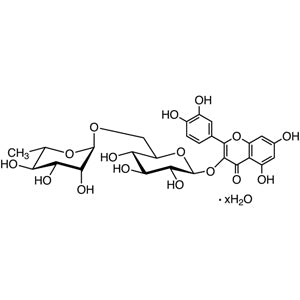
RutinHydrate TCI R0035
Regular price Rp 1.431.150,00Regular priceRp 1.016.400,00Sale price Rp 1.431.150,00 -
Hesperidin TCI H0049
Regular price From Rp 1.272.600,00Regular priceRp 905.100,00Sale price From Rp 1.272.600,00 -
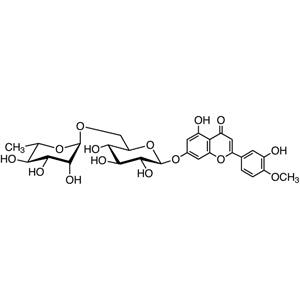
Diosmin TCI D3908
Regular price From Rp 1.378.650,00Regular priceRp 979.650,00Sale price From Rp 1.378.650,00 -
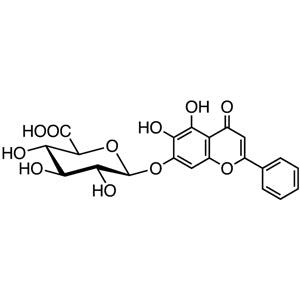
Baicalin TCI B2835
Regular price Rp 2.730.000,00Regular priceRp 1.924.650,00Sale price Rp 2.730.000,00 -
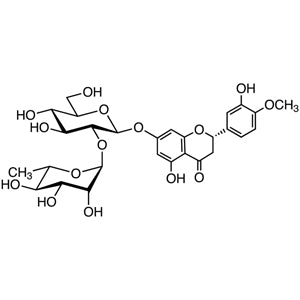
Neohesperidin TCI N1121
Regular price Rp 3.710.700,00Regular priceRp 2.610.300,00Sale price Rp 3.710.700,00 -
Narirutin TCI N1125
Regular price Rp 5.352.900,00Regular priceRp 3.759.000,00Sale price Rp 5.352.900,00 -
NeohesperidinDihydrochalcone TCI N0675
Regular price From Rp 3.207.750,00Regular priceRp 2.258.550,00Sale price From Rp 3.207.750,00 -
Daidzin TCI D3920
Regular price Rp 5.883.150,00Regular priceRp 4.129.650,00Sale price Rp 5.883.150,00