TCI R0035 207671-50-9 Rutin Hydrate is a chemical compound widely used in laboratory settings for chemical and biochemical experiments. As a naturally occurring flavonoid, Rutin Hydrate plays a crucial role in research involving bioactive compounds. Its presence in various biological systems makes it essential for studies related to antioxidant, anti-inflammatory, and pharmacological effects. This compound is commonly found in plants and is used to explore its potential in drug development and biological applications.
Rutin Hydrate is preferred due to its availability, stability, and chemical properties. It has a complex molecular structure that allows it to interact with proteins and other compounds, making it valuable for analytical and synthetic processes. Its stability under controlled laboratory conditions ensures ease of storage and use. Additionally, its non-toxic nature and relative safety make it suitable for experiments involving organic compounds. These characteristics make it a reliable choice for researchers in various scientific disciplines.
In Indonesian laboratories, Rutin Hydrate is frequently used in pharmaceutical, molecular biology, and analytical chemistry research. It supports the development of new drugs and the study of biological effects. Its role in bioactive compound research makes it an essential material for academic and industrial laboratories in Indonesia. The compound's versatility and reliability contribute to its widespread use in scientific investigations.
TCI brochures (PDF)
- Quorum Sensing Research Reagents 2024-10-17 · p. 2
- Biofilm Research Reagents 2024-06-21 · p. 2
- Antioxidants for Research and Experimental Use 2026-07-29 · p. 2
- Vitamins for Research and Experimental Use 2025-06-27 · p. 6
- Traditional Medicine/Crude Medicine Research Reagents 2024-09-11 · p. 2
- Polyphenols 2024-12-05 · p. 1
- Used in pharmaceutical research for the development of new drugs due to its bioactive properties and antioxidant effects.
- Applied in molecular biology studies to investigate interactions between Rutin Hydrate and proteins or other biomolecules.
- Utilized in analytical chemistry for the identification and quantification of flavonoids in complex mixtures.
- Employed in biochemistry experiments to study anti-inflammatory and pharmacological effects on biological systems.
- Incorporated in natural product research to explore the potential of plant-derived compounds for therapeutic applications.
| Brand | TCI |
|---|---|
| CAS number | 207671-50-9 |
| Molecular formula | — |
| Purity | — |
| Category | Chemistry > Chemical Biology > Glycoscience |
| Pack sizes | — |
| Physical form | — |
| Storage | Store in a cool, dry place away from direct sunlight |
Rutin Hydrate should be stored in a cool, dry environment to maintain its stability and prevent degradation. It is recommended to keep the compound in a sealed container to avoid moisture exposure. Suitable storage containers include glass or airtight plastic containers that are resistant to chemical reactions. As a non-toxic substance, it poses minimal risk during handling, but standard laboratory safety practices should still be followed. Avoid prolonged exposure to light and ensure proper ventilation when working with the compound. Regular monitoring of storage conditions ensures the compound remains effective for research purposes.
—
Product Categories
- GlycoscienceDisaccharides [Glycoscience]
- GlycoscienceFunctional OligosaccharidesNatural Glycosides [Functional Oligosaccharides]
- Biochemicals and ReagentsCarbohydrates
- Biochemicals and ReagentsCrude Medicine Ingredients for Research and Experimental Use
- Biochemicals and ReagentsPhenylpropanoids, Aromatic PolyketidesAromatic Polyketides
- Biochemicals and ReagentsVitamins and Related CompoundsVitamin Related Compounds
- Cell BiologyCancer ResearchChemopreventive Agents [Cancer Research]
- Cell BiologyNutrition ResearchPhytochemicals
- MicrobiologyBiofilm ResearchBiofilm Inhibitors and Suppressors, etc.
- MicrobiologyEfflux Pump ResearchEfflux Pump Inhibitors
- Molecular BiologyAntioxidants [Life Science]
- Pharmaceutical Development and Drug Discovery ResearchCrude Medicine Ingredients for Research and Experimental Use
Produk Terkait
-
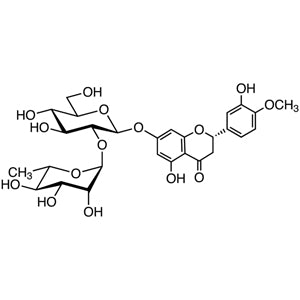
Hesperidin TCI H0049
Regular price From Rp 1.272.600,00Regular priceRp 905.100,00Sale price From Rp 1.272.600,00 -
Naringin TCI N0073
Regular price Rp 1.670.550,00Regular priceRp 1.183.350,00Sale price Rp 1.670.550,00 -
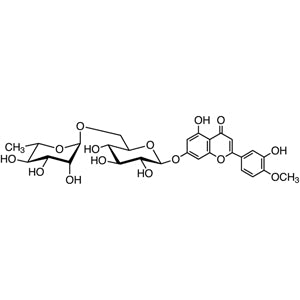
Diosmin TCI D3908
Regular price From Rp 1.378.650,00Regular priceRp 979.650,00Sale price From Rp 1.378.650,00 -
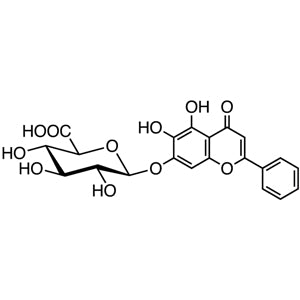
Baicalin TCI B2835
Regular price Rp 2.730.000,00Regular priceRp 1.924.650,00Sale price Rp 2.730.000,00 -
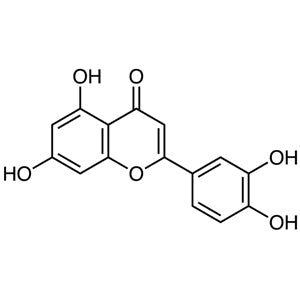
3',4',5,7-Tetrahydroxyflavone TCI T2682
Regular price From Rp 1.618.050,00Regular priceRp 1.146.600,00Sale price From Rp 1.618.050,00 -
Piceid TCI P1878
Regular price From Rp 2.491.650,00Regular priceRp 1.757.700,00Sale price From Rp 2.491.650,00 -
Neohesperidin TCI N1121
Regular price Rp 3.710.700,00Regular priceRp 2.610.300,00Sale price Rp 3.710.700,00 -
Kaempferol TCI K0018
Regular price From Rp 3.260.250,00Regular priceRp 2.295.300,00Sale price From Rp 3.260.250,00