Phenethyl Caffeate is a chemical compound widely utilized in life sciences research, particularly in biochemistry and pharmacology. This compound is a key component in the study of natural products and their potential therapeutic applications. Its role in the laboratory involves supporting experimental investigations into the biological activities of various compounds, including antioxidant, anti-inflammatory, and neuropharmacological effects. As a phenolic compound, it is of interest for its structural complexity and potential pharmacological properties, making it a valuable tool for researchers exploring the mechanisms of bioactive substances.
Phenethyl Caffeate is favored for its chemical stability and ability to interact with other compounds under controlled conditions. Its non-toxic nature at low doses enhances its safety profile, making it suitable for a wide range of experimental applications. Additionally, its availability in pure form and appropriate concentrations ensures consistency and reliability in research settings. These characteristics contribute to its popularity among scientists seeking to explore the biological and chemical properties of natural compounds in a controlled environment.
In Indonesian laboratories, Phenethyl Caffeate is commonly used in research related to health sciences and pharmaceutical development. It supports studies on natural products, drug discovery, and the evaluation of bioactive compounds. Its presence in research protocols helps scientists investigate the potential therapeutic applications of phenolic compounds, contributing to advancements in both academic and applied research fields.
TCI brochures (PDF)
- Regenerative Medicine Research Reagents 2016-03-18 · p. 1
- Crude Medicine Ingredients for Cancer Research 2025-02-17 · p. 1
- Antioxidants for Research and Experimental Use 2026-07-29 · p. 1
- Traditional Medicine/Crude Medicine Research Reagents 2024-09-11 · p. 2
- Polyphenols 2024-12-05 · p. 2
- Immune System, Inflammation, Allergy Research Reagents 2025-05-26 · p. 1
- Biochemical Research: Phenethyl Caffeate is ideal for studying the antioxidant and anti-inflammatory properties of natural compounds, aiding in the development of new therapeutic agents.
- Pharmacological Studies: It supports investigations into the neuropharmacological effects of phenolic compounds, contributing to the understanding of drug mechanisms.
- Natural Product Analysis: The compound is used in the characterization of plant-derived substances, helping to identify bioactive components for further development.
- Drug Discovery Programs: Phenethyl Caffeate is incorporated into screening assays to evaluate the potential of natural compounds for pharmaceutical applications.
- Toxicological Assessments: Its non-toxic profile at low doses makes it suitable for assessing the safety and efficacy of bioactive compounds in experimental models.
| Brand | TCI |
|---|---|
| CAS number | 104594-70-9 |
| Molecular formula | — |
| Purity | — |
| Category | Life Science > Biochemicals and Reagents > Crude Medicine Ingredients for Research and Experimental Use |
| Pack sizes | Available in various quantities as per supplier specifications |
| Physical form | Solid or powder, depending on the batch |
| Storage | Store in a cool, dry place away from light and moisture |
Phenethyl Caffeate should be stored in a cool, dry environment, away from direct sunlight and moisture to maintain its chemical stability. It is recommended to use airtight containers to prevent exposure to air and humidity, which may affect its integrity. In laboratory settings, proper ventilation should be ensured when handling the compound to minimize any potential inhalation risks. Although it is non-toxic at low doses, standard laboratory safety protocols should be followed, including the use of personal protective equipment such as gloves and safety goggles. The compound should be kept out of reach of children and not stored near incompatible materials to ensure safe handling and long-term stability.
—
Product Categories
- Biochemicals and ReagentsCrude Medicine Ingredients for Research and Experimental Use
- Biochemicals and ReagentsPhenylpropanoids, Aromatic PolyketidesPhenylpropanoids
- Cell BiologyCancer ResearchAntitumor Agents for Research
- Cell BiologyCancer ResearchChemopreventive Agents [Cancer Research]
- Cell BiologyImmune System, Inflammation, Allergy ResearchNF-κB Activation Inhibitors
- Cell BiologyNutrition ResearchPhytochemicals
- Cell BiologyStem Cell BiologyRegenerative Medicine Research Reagents
- Molecular BiologyRegenerative Medicine Research Reagents
- Molecular BiologyAntioxidants [Life Science]
- Pharmaceutical Development and Drug Discovery ResearchCrude Medicine Ingredients for Research and Experimental Use
Produk Terkait
-
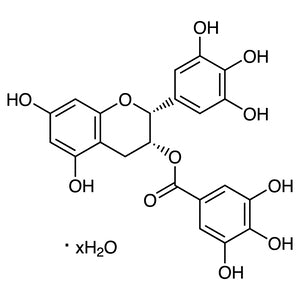
(-)-EpigallocatechinGallateHydrate TCI E0694
Regular price From Rp 2.173.500,00Regular priceRp 1.535.100,00Sale price From Rp 2.173.500,00 -
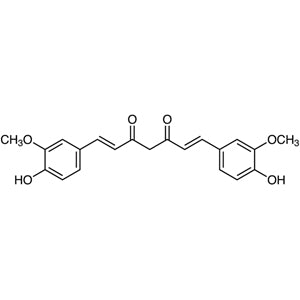
Curcumin(Synthetic) TCI C2302
Regular price From Rp 1.246.350,00Regular priceRp 887.250,00Sale price From Rp 1.246.350,00 -
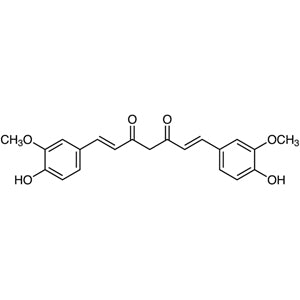
Curcumin(Natural) TCI C0434
Regular price From Rp 637.350,00Regular priceRp 445.200,00Sale price From Rp 637.350,00 -
MethylCaffeate TCI M2519
Regular price From Rp 2.491.650,00Regular priceRp 1.757.700,00Sale price From Rp 2.491.650,00 -
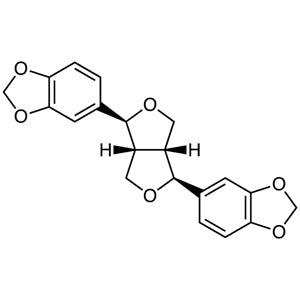
Sesamin TCI S0495
Regular price Rp 5.246.850,00Regular priceRp 3.684.450,00Sale price Rp 5.246.850,00 -
Isoliquiritigenin TCI I0822
Regular price From Rp 1.087.800,00Regular priceRp 775.950,00Sale price From Rp 1.087.800,00 -
Eugenol TCI A0232
Regular price From Rp 557.550,00Regular priceRp 405.300,00Sale price From Rp 557.550,00 -
Tetrahydrocurcumin TCI T3587
Regular price From Rp 2.439.150,00Regular priceRp 1.720.950,00Sale price From Rp 2.439.150,00