Methyl Caffeate is a chemical compound widely used in laboratory settings for its versatility in chemical synthesis and molecular structure studies. As a derivative of caffeic acid, it plays a crucial role in organic chemistry and pharmacological research. Its unique chemical structure makes it a valuable building block for the development of bioactive compounds, including antioxidants and potential pharmaceutical agents. This compound is particularly favored for its stability and reactivity, which enable it to participate in various chemical reactions such as esterification and hydrolysis.
One of the key reasons Methyl Caffeate is preferred in laboratories is its solubility in common organic solvents like ethyl acetate and ethanol. This property simplifies its handling and integration into experimental procedures, making it an essential reagent for researchers. Additionally, its chemical stability ensures that it maintains its integrity under various reaction conditions, reducing the risk of unwanted side reactions. These characteristics make it a reliable choice for both academic and industrial research environments.
In Indonesian laboratories, Methyl Caffeate is commonly used in organic chemistry, pharmaceutical, and biochemical research. Its application spans from the synthesis of complex molecules to the investigation of biological activities. Due to its consistent performance and ease of use, it is a popular choice among scientists working in these fields. Its availability through reliable suppliers like AMI Scientific further supports its widespread use in local research institutions.
- Organic synthesis where Methyl Caffeate serves as a building block for creating complex molecules with potential pharmaceutical applications.
- Pharmacological research due to its ability to participate in reactions that yield bioactive compounds with antioxidant properties.
- Biochemical studies where its reactivity and solubility aid in the analysis of molecular structures and interactions.
- Analytical chemistry applications where its stability and solubility make it suitable for chromatographic and spectroscopic analyses.
- Industrial research and development for the formulation of natural-derived products and functional ingredients.
| Brand | TCI |
|---|---|
| CAS number | 67667-67-8 |
| Molecular formula | — |
| Purity | — |
| Category | Chemistry > Building Blocks > Non-Heterocyclic Building Blocks |
| Pack sizes | Available in various quantities as per supplier specifications |
| Physical form | Solid or liquid, depending on the specific product variant |
| Storage | Store in a cool, dry place away from direct sunlight and moisture |
Methyl Caffeate should be stored in a cool, dry environment to maintain its chemical stability. It is recommended to use airtight containers to prevent exposure to moisture and air, which can affect its integrity. When handling, it is important to follow standard laboratory safety protocols, including the use of personal protective equipment such as gloves and safety goggles. Avoid direct contact with skin and eyes, and ensure proper ventilation in the workspace. Due to its chemical reactivity, it should be kept away from incompatible substances such as strong acids or bases. Proper storage and handling ensure the compound remains effective and safe for use in laboratory experiments.
—
Produk Terkait
-
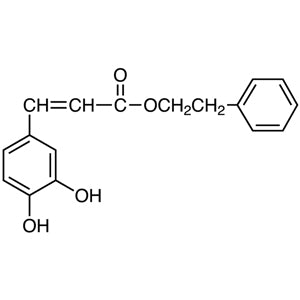
PhenethylCaffeate TCI P2088
Regular price From Rp 1.035.300,00Regular price -
trans-FerulicAcid TCI H0267
Regular price From Rp 1.881.600,00Regular price -
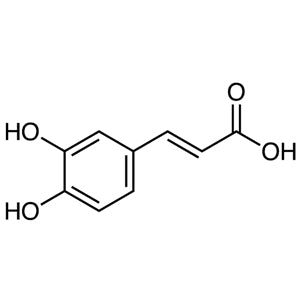
CaffeicAcid TCI C0002
Regular price From Rp 903.000,00Regular price -
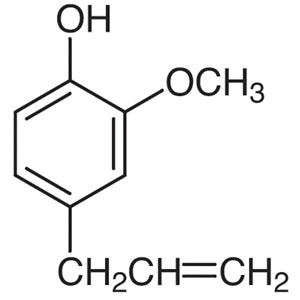
Eugenol TCI A0232
Regular price From Rp 505.050,00Regular price -
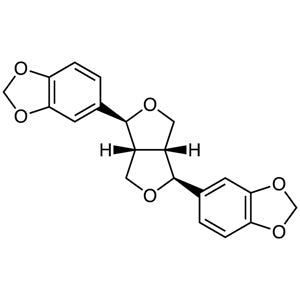
Sesamin TCI S0495
Regular price Rp 5.194.350,00Regular price -
gamma-Oryzanol TCI O0172
Regular price From Rp 1.246.350,00Regular price -
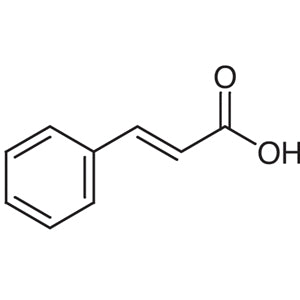
trans-CinnamicAcid TCI C0353
Regular price From Rp 505.050,00Regular price -
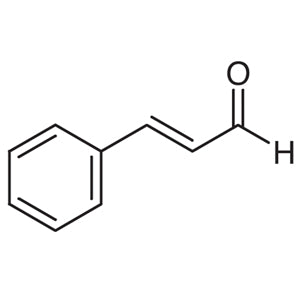
trans-Cinnamaldehyde TCI C0352
Regular price From Rp 477.750,00Regular price