trans-Cinnamaldehyde (TCI C0352, CAS 14371-10-9) is a conjugated aromatic aldehyde best known as the principal aroma compound of cinnamon. In the laboratory it functions as a versatile non-heterocyclic building block, offering both a reactive carbonyl group and a conjugated double bond in a single molecule. It is commonly used as a model substrate in iminium organocatalysis, Michael additions, and heterocycle construction. AMI Scientific supplies it in 25 mL and 500 mL packs, and handling in a fume hood with appropriate personal protective equipment is strongly recommended.
TCI brochures (PDF)
- Crude Medicine Ingredients for Cancer Research 2025-02-17 · p. 1
- Traditional Medicine/Crude Medicine Research Reagents 2024-09-11 · p. 2
- Polyphenols 2024-12-05 · p. 2
- Agrochemical Ingredients for Research and Experimental Use 2026-01-08 · p. 4
- Plant Research Reagents 2026-02-24 · p. 9
- Phytochemicals 2025-12-17 · p. 8
—
| Brand | — |
|---|---|
| CAS number | — |
| Molecular formula | — |
| Purity | — |
| Category | — |
| Pack sizes | — |
| Physical form | — |
| Storage | — |
—
- Gholivand et al. (2008). Simultaneous Determination of Trans-Cinnamaldehyde and Benzaldehyde in Different Real Samples by Differential Pulse Polarography and Study of Heat Stability of Trans-Cinnamaldehyde. Analytical Letters doi:10.1080/00032710802507893
- Ali et al. (2021). Trans-Cinnamaldehyde Attenuates Enterococcus faecalis Virulence and Inhibits Biofilm Formation. Antibiotics doi:10.3390/antibiotics10060702
- Swales et al. (1996). Studies on trans-cinnamaldehyde II: Mechanisms of cytotoxicity in rat isolated hepatocytes. Toxicology in Vitro doi:10.1016/0887-2333(95)00105-0
References were compiled automatically from Crossref and every DOI was verified to exist. AMI Scientific is not affiliated with the authors or the publishers.
Product Categories
- Biochemicals and ReagentsCrude Medicine Ingredients for Research and Experimental Use
- Biochemicals and ReagentsPhenylpropanoids, Aromatic PolyketidesPhenylpropanoids
- Cell BiologyCancer ResearchAntitumor Agents for Research
- Cell BiologyCell Signaling and NeuroscienceNeuroscience
- Cell BiologyNutrition ResearchAgrochemical Research Reagents (for Experimental Use)
- Cell BiologyNutrition ResearchPhytochemicals
- MicrobiologyQuorum Sensing ResearchQuorum Sensing Inhibitors and Antagonists, etc.
- Molecular BiologyPlant BiotechnologyAgrochemical Research Reagents (for Experimental Use)
- Pharmaceutical Development and Drug Discovery ResearchCrude Medicine Ingredients for Research and Experimental Use
Produk Terkait
-
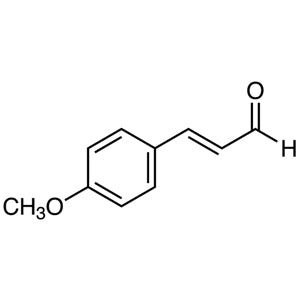
(E)-4-Methoxycinnamaldehyde TCI M1012
Regular price From Rp 823.200,00Regular priceRp 575.400,00Sale price From Rp 823.200,00 -
trans-FerulicAcid TCI H0267
Regular price From Rp 1.934.100,00Regular priceRp 1.368.150,00Sale price From Rp 1.934.100,00 -
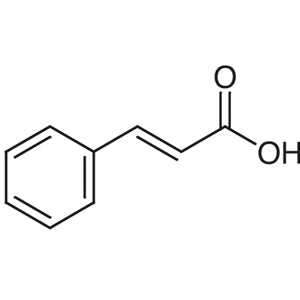
trans-CinnamicAcid TCI C0353
Regular price From Rp 557.550,00Regular priceRp 405.300,00Sale price From Rp 557.550,00 -
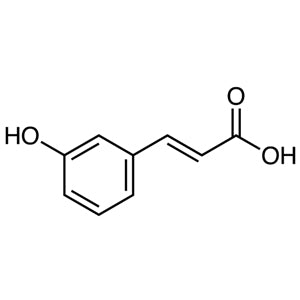
trans-m-CoumaricAcid TCI C0655
Regular price From Rp 848.400,00Regular priceRp 609.000,00Sale price From Rp 848.400,00 -
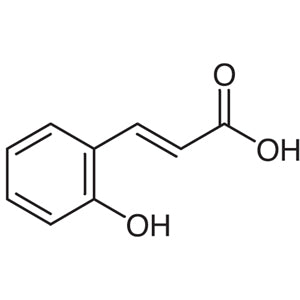
trans-o-CoumaricAcid TCI C0394
Regular price From Rp 928.200,00Regular priceRp 664.650,00Sale price From Rp 928.200,00 -
trans-4-Bromocinnamaldehyde TCI B4337
Regular price From Rp 1.060.500,00Regular priceRp 741.300,00Sale price From Rp 1.060.500,00 -
alpha-Bromocinnamaldehyde TCI B1253
Regular price Rp 980.700,00Regular priceRp 685.650,00Sale price Rp 980.700,00 -
alpha-Amylcinnamaldehyde(mixtureofisomers) TCI A0851
Regular price From Rp 637.350,00Regular priceRp 445.200,00Sale price From Rp 637.350,00