(4-Methoxycinnamaldehyde) is a chemical compound widely used as a foundational building block in the synthesis of complex organic compounds. This versatile reagent is essential in laboratory settings where researchers aim to construct intricate molecular structures through various chemical reactions. Its presence in the chemical industry highlights its importance in both academic and industrial research. As a key component in the development of new materials and pharmaceuticals, it plays a crucial role in advancing scientific innovation.
The compound's reactive nature and functional group versatility make it a preferred choice for chemists. The presence of both an aldehyde group and a methoxy group enables it to participate in a wide range of chemical transformations, including condensation, substitution, and oxidation reactions. These properties allow it to be a flexible tool for synthesizing a variety of target molecules. Its stability under controlled conditions ensures reliable performance, making it a trusted reagent in laboratory environments.
In Indonesian laboratories, this compound is commonly used in organic chemistry research, particularly in the development of pharmaceuticals and industrial chemicals. Its ability to form stable intermediates and its compatibility with various reaction conditions make it a valuable asset for researchers. The compound's clear, aromatic appearance also aids in its identification and handling during experimental processes.
Related TCI products
- Organic synthesis is a primary application where this compound serves as a key building block for creating complex molecular structures due to its reactive functional groups.
- Pharmaceutical research benefits from its use in the development of new drugs, as it can be modified to form various pharmacologically active compounds.
- Industrial chemical production utilizes this compound for the synthesis of specialty chemicals, leveraging its reactivity and compatibility with different reaction conditions.
- Analytical chemistry applications include its use as a standard in chromatographic and spectroscopic analyses due to its distinct chemical properties.
- Material science research incorporates this compound in the creation of new polymers and coatings, taking advantage of its functional group versatility.
| Brand | TCI |
|---|---|
| CAS number | 24680-50-0 |
| Molecular formula | — |
| Purity | — |
| Category | Chemistry > Building Blocks > Non-Heterocyclic Building Blocks |
| Pack sizes | Available in various quantities as per standard laboratory supply options |
| Physical form | Clear liquid |
| Storage | Store in a cool, dry place away from light and incompatible substances |
This compound should be stored in a cool, dry environment, away from direct sunlight and sources of heat. It is recommended to use airtight containers made of glass or polyethylene to prevent contamination and maintain stability. Due to its reactive nature, it should be handled with care, using appropriate personal protective equipment such as gloves and safety goggles. It is important to ensure good ventilation when working with this compound to avoid inhalation of vapors. Avoid contact with incompatible materials such as strong oxidizing agents. Proper labeling of containers is essential for safe handling and storage in a laboratory setting.
—
Product Categories
Produk Terkait
-
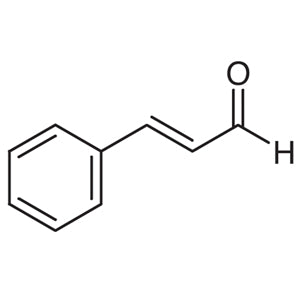
trans-Cinnamaldehyde TCI C0352
Regular price From Rp 477.750,00Regular priceRp 333.900,00Sale price From Rp 477.750,00 -
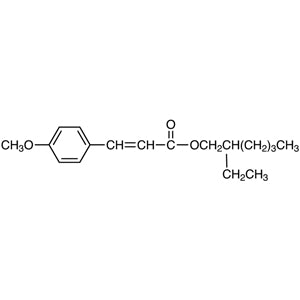
2-Ethylhexyl4-Methoxycinnamate TCI M1082
Regular price From Rp 1.113.000,00Regular priceRp 793.800,00Sale price From Rp 1.113.000,00 -
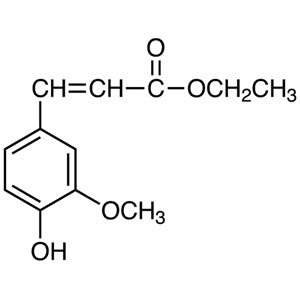
Ethyl4-Hydroxy-3-methoxycinnamate TCI E0739
Regular price From Rp 928.200,00Regular priceRp 664.650,00Sale price From Rp 928.200,00 -
cis-2-MethoxycinnamicAcid TCI M0761
Regular price From Rp 2.199.750,00Regular priceRp 1.554.000,00Sale price From Rp 2.199.750,00 -
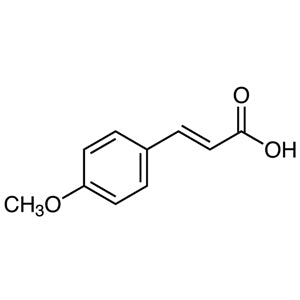
trans-4-MethoxycinnamicAcid TCI M0576
Regular price Rp 1.776.600,00Regular priceRp 1.257.900,00Sale price Rp 1.776.600,00 -
trans-2-MethoxycinnamicAcid TCI M0449
Regular price Rp 2.782.500,00Regular priceRp 1.961.400,00Sale price Rp 2.782.500,00 -
3-MethoxycinnamicAcid TCI M0444
Regular price From Rp 2.862.300,00Regular priceRp 2.017.050,00Sale price From Rp 2.862.300,00 -
3-Hydroxy-4-methoxycinnamicAcid TCI H0524
Regular price From Rp 1.590.750,00Regular priceRp 1.127.700,00Sale price From Rp 1.590.750,00