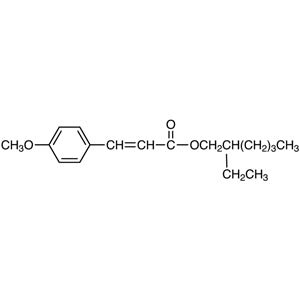
2-Ethylhexyl 4-Methoxycinnamate is a chemical compound widely used in laboratory settings, particularly in organic synthesis and as a reagent in chemical reactions. It serves as a building block in the creation of complex molecules, often acting as a precursor or auxiliary material in various synthetic pathways. This compound is valued for its stability and reactivity, making it a reliable choice for researchers working on diverse chemical projects. Its presence in both academic and industrial laboratories highlights its versatility and importance in modern chemical research.
The compound is known for its stability under specific conditions and its ability to participate in a range of organic reactions, including substitution and other chemical transformations. Its molecular structure allows for interactions with various organic compounds, which makes it a preferred choice in synthetic chemistry. Additionally, its solubility in organic solvents facilitates easy mixing and separation processes in the laboratory. These properties contribute to its widespread use in both research and development environments.
In Indonesian laboratories, 2-Ethylhexyl 4-Methoxycinnamate is commonly used in chemical research, especially in pharmaceutical and material science applications. It is a key component in the development of new compounds and is frequently utilized in experiments requiring specific chemical properties. Its availability and reliability make it a popular choice among researchers and institutions in Indonesia.
Related TCI products
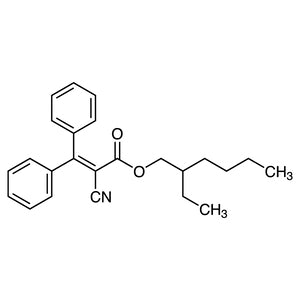
- TCI C0968 6197-30-4 2-Ethylhexyl 2-Cyano-3,3-diphenylacrylate
- TCI I0815 71617-10-2 Isoamyl 4-Methoxycinnamate
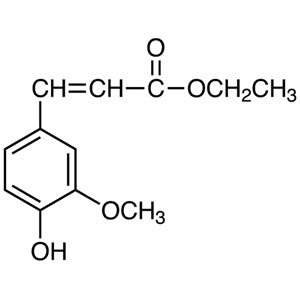
- TCI E0739 4046-02-0 Ethyl 4-Hydroxy-3-methoxycinnamate
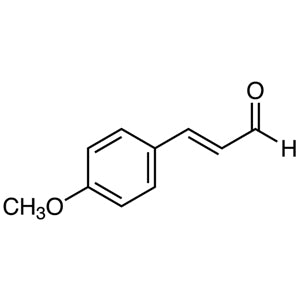
- TCI M1012 24680-50-0 (E)-4-Methoxycinnamaldehyde
- TCI M0761 14737-91-8 cis-2-Methoxycinnamic Acid
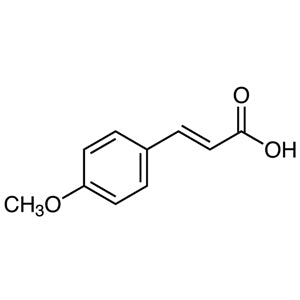
- TCI M0576 943-89-5 trans-4-Methoxycinnamic Acid
- Organic synthesis where it serves as a building block for creating complex molecules due to its reactivity and stability.
- Pharmaceutical research as a precursor in the development of compounds with photoprotective properties.
- Cosmetic formulation testing due to its use as an active ingredient in sunscreens and skin protection products.
- Material science experiments involving the synthesis of polymers and other functional materials.
- Analytical chemistry applications where it is used as a standard for chromatographic and spectroscopic analysis.
| Brand | TCI |
|---|---|
| CAS number | 5466-77-3 |
| Molecular formula | — |
| Purity | — |
| Category | Chemistry > Building Blocks > Non-Heterocyclic Building Blocks |
| Pack sizes | Available in standard laboratory quantities as per supplier specifications |
| Physical form | Liquid |
| Storage | Store in a cool, dry place away from direct sunlight and incompatible materials |
This compound should be stored in a cool, dry environment, away from direct sunlight and sources of heat. It is recommended to use airtight containers made of materials that are chemically inert to prevent contamination and degradation. Due to its chemical nature, it should be kept separate from strong oxidizing agents and reactive substances. Proper labeling and storage conditions are essential to ensure safety and maintain its chemical integrity. Always follow standard laboratory safety protocols when handling this material to minimize risks associated with its use.
—
Product Categories
- Biochemicals and ReagentsPharmaceutical Research Reagents (for Experimental Use)Cosmetic Research Reagents (for Experimental Use)
- Biochemicals and ReagentsPhenylpropanoids, Aromatic PolyketidesPhenylpropanoids
- Pharmaceutical Development and Drug Discovery ResearchPharmaceutical Research Reagents (for Experimental Use)Cosmetic Research Reagents (for Experimental Use)
Produk Terkait
-
2-Ethylhexyl2-Cyano-3,3-diphenylacrylate TCI C0968
Regular price From Rp 769.650,00Regular price -
Isoamyl4-Methoxycinnamate TCI I0815
Regular price From Rp 1.644.300,00Regular price -
Ethyl4-Hydroxy-3-methoxycinnamate TCI E0739
Regular price From Rp 875.700,00Regular price -
(E)-4-Methoxycinnamaldehyde TCI M1012
Regular price From Rp 823.200,00Regular price -
cis-2-MethoxycinnamicAcid TCI M0761
Regular price From Rp 2.147.250,00Regular price -
trans-4-MethoxycinnamicAcid TCI M0576
Regular price Rp 1.724.100,00Regular price -
trans-2-MethoxycinnamicAcid TCI M0449
Regular price Rp 2.730.000,00Regular price -
3-MethoxycinnamicAcid TCI M0444
Regular price From Rp 2.809.800,00Regular price