Hexanoic Acid, also known as caproic acid, is a medium-chain saturated fatty acid containing six carbon atoms and a single carboxyl group at the end of the chain. The compound serves as an important reference material in organic chemistry and food analysis laboratories, functioning both as a reagent for the formation of esters, amides, and acyl chlorides, and as a standard compound in the identification of fatty acid profiles. Its placement in the Non-Heterocyclic Building Blocks category underlines its role as a foundational material used to construct more complex derivative molecules.
The property that makes hexanoic acid such a widely chosen material is its amphiphilic character: a polar carboxyl group combined with a nonpolar alkyl chain. This combination allows it to dissolve readily in organic solvents while still being able to interact with aqueous phases, making it flexible for use across a range of reaction and extraction systems. Its physical form is an oily liquid with a characteristically sharp odour, so handling is customarily carried out inside a fume hood. The acidity of the carboxyl group permits neutralisation reactions, Fischer esterification, and activation into more reactive acyl derivatives.
In Indonesian laboratories, hexanoic acid is typically kept as a general-purpose building block on the organic synthesis bench and in analytical sections dealing with fatty acid work. Because the material is an oily liquid with a penetrating odour, routine dispensing is normally scheduled inside a working fume hood, and the container is returned to its designated chemical storage position after each use rather than being left open on the bench.
- Ester synthesis — the carboxyl group undergoes Fischer esterification directly with alcohols, making this a convenient starting acid for preparing hexanoate esters in teaching and research settings.
- Amide preparation — the acid can be coupled with amines through standard activation routes, so it serves as a straightforward six-carbon acyl source for building amide-containing target molecules.
- Acyl chloride generation — conversion of the carboxyl group into a more reactive acyl derivative gives chemists an activated intermediate for onward acylation steps in multistep organic sequences.
- Fatty acid profile identification — as a defined medium-chain saturated fatty acid, it works as a reference compound when analysts assign and confirm peaks in food analysis work.
- Extraction and reaction system studies — its amphiphilic nature, with both polar and nonpolar regions, lets it partition usefully between organic solvents and aqueous phases during method development.
| Brand | TCI |
|---|---|
| CAS number | 142-62-1 |
| Molecular formula | — |
| Purity | — |
| Category | Chemistry > Building Blocks > Non-Heterocyclic Building Blocks |
| Pack sizes | available in the standard TCI catalogue pack sizes for this item |
| Physical form | oily liquid with a characteristically sharp odour |
| Storage | keep in a tightly closed container in a designated chemical storage area |
Store hexanoic acid in a tightly closed container within a designated chemical storage area, away from incompatible materials and out of direct sunlight. Tightly sealed glass bottles with chemically resistant closures are the usual choice, since the material is an oily liquid whose sharp odour escapes readily from a loosely capped vessel. Dispensing and weighing should be performed inside a working fume hood with adequate ventilation. Laboratory staff should wear safety goggles, chemical-resistant gloves, and a laboratory coat, because the carboxyl group makes the material acidic and capable of irritating skin and eyes. Wipe spills promptly and return the container to its assigned storage position after each use.
—
Produk Terkait
-
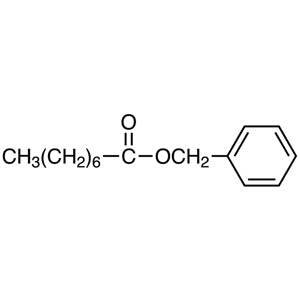
BenzylOctanoate TCI B6116
Regular price Rp 1.538.250,00Regular price -
tert-Butyl4-Bromobutanoate TCI B6167
Regular price Rp 2.439.150,00Regular price -
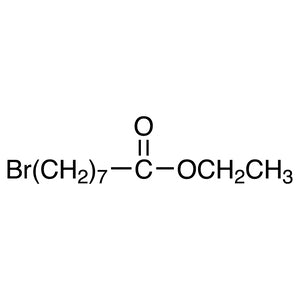
Ethyl8-Bromooctanoate TCI B6430
Regular price From Rp 928.200,00Regular price -
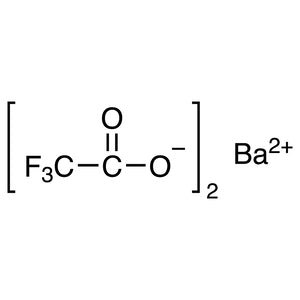
Barium(II)Trifluoroacetate TCI B6582
Regular price From Rp 2.068.500,00Regular price -
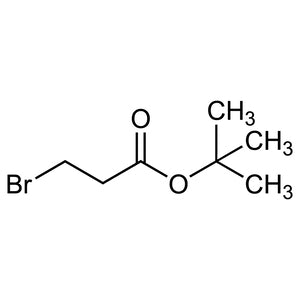
tert-Butyl3-Bromopropanoate TCI B6840
Regular price From Rp 2.545.200,00Regular price -
2-ButyloctanoicAcid TCI B6845
Regular price From Rp 848.400,00Regular price -
16-BromohexadecanoicAcid TCI B6915
Regular price From Rp 1.378.650,00Regular price -
EthyleneBis(2-bromoisobutyrate) TCI B7067
Regular price From Rp 1.829.100,00Regular price