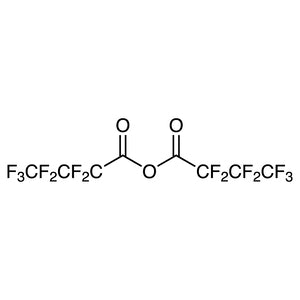
Heptafluorobutyric Anhydride (HFBA) is a fluorinated chemical compound widely used in laboratory settings for the synthesis of complex organic molecules. As a key building block in fluorinated chemistry, HFBA plays a crucial role in organic reactions, particularly in fluorine substitution processes. Its unique molecular structure, rich in fluorine atoms, enables it to participate in various chemical transformations, making it a versatile reagent in synthetic chemistry. HFBA is commonly employed in research and development to create fluorinated compounds with specific functional properties, such as enhanced stability and reactivity.
HFBA is known for its high reactivity and ability to react with a range of functional groups, including amines, alcohols, and phenols. This reactivity makes it an ideal choice for modifying organic compounds with fluorine atoms, which can significantly alter the physical and chemical properties of the resulting molecules. Its effectiveness in fluorination reactions has made it a preferred reagent in both academic and industrial research. The compound's ability to introduce fluorine into carbon chains is particularly valuable in the development of pharmaceuticals and advanced materials.
In Indonesian laboratories, HFBA is frequently used in organic chemistry research, especially in the fields of pharmaceuticals and materials science. Its role in synthesizing fluorinated compounds is essential for creating compounds with unique properties that are used in various applications. Due to its chemical reactivity, HFBA is a critical component in the study of fluorinated molecules, contributing to advancements in chemical research and innovation.
- Fluorination Reactions: HFBA is ideal for introducing fluorine atoms into organic molecules, enhancing their stability and reactivity for specialized applications.
- Organic Synthesis: Its reactivity with amines, alcohols, and phenols makes it a valuable reagent in the synthesis of complex organic compounds.
- Pharmaceutical Research: HFBA is used to develop fluorinated compounds with improved pharmacological properties, supporting drug discovery and development.
- Materials Science: The compound is employed in the creation of fluorinated materials with unique physical and chemical characteristics.
- Analytical Chemistry: HFBA is used in the preparation of standards and reagents for analytical procedures requiring fluorinated compounds.
| Brand | TCI |
|---|---|
| CAS number | 336-59-4 |
| Molecular formula | — |
| Purity | — |
| Category | Chemistry > Building Blocks > Fluorinated Building Blocks |
| Pack sizes | Available in various quantities as per supplier specifications |
| Physical form | Solid or liquid, depending on the specific product variant |
| Storage | Requires storage in a cool, dry, and well-ventilated area away from moisture and heat |
HFBA should be stored in a cool, dry, and well-ventilated area, away from moisture and direct sunlight. It is recommended to use airtight containers made of materials compatible with fluorinated compounds to prevent contamination and degradation. Due to its reactivity and potential toxicity, HFBA should be handled with appropriate personal protective equipment, including gloves, goggles, and a fume hood. Laboratory personnel should be trained in safe handling procedures and emergency response protocols. Proper labeling and storage conditions are essential to ensure the safety of both the compound and the laboratory environment.
—
Produk Terkait
-
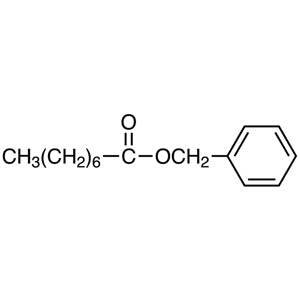
BenzylOctanoate TCI B6116
Regular price Rp 1.538.250,00Regular price -
tert-Butyl4-Bromobutanoate TCI B6167
Regular price Rp 2.439.150,00Regular price -
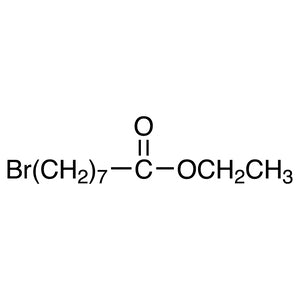
Ethyl8-Bromooctanoate TCI B6430
Regular price From Rp 928.200,00Regular price -
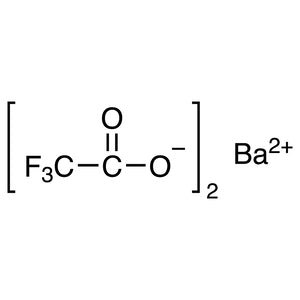
Barium(II)Trifluoroacetate TCI B6582
Regular price From Rp 2.068.500,00Regular price -
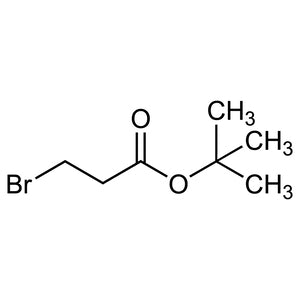
tert-Butyl3-Bromopropanoate TCI B6840
Regular price From Rp 2.545.200,00Regular price -
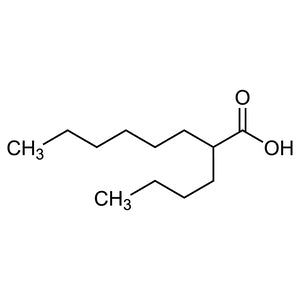
2-ButyloctanoicAcid TCI B6845
Regular price From Rp 848.400,00Regular price -
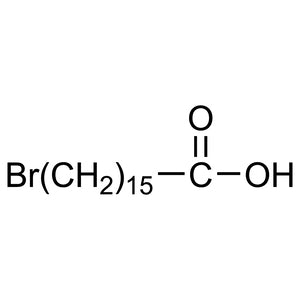
16-BromohexadecanoicAcid TCI B6915
Regular price From Rp 1.378.650,00Regular price -
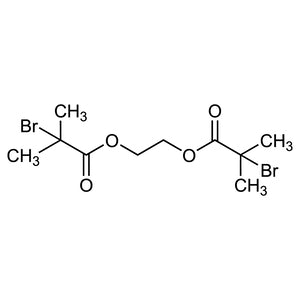
EthyleneBis(2-bromoisobutyrate) TCI B7067
Regular price From Rp 1.829.100,00Regular price