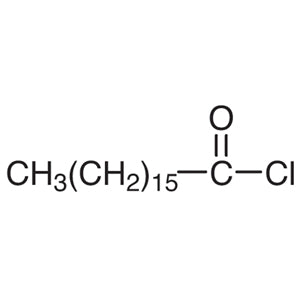
Heptadecanoyl Chloride (TCI H0782), with CAS number 40480-10-2, is a chemical compound widely used as a building block in organic synthesis. It serves as a key reagent in the preparation of esters and amides, making it essential for researchers working in synthetic chemistry. This compound is valued for its ability to participate in various chemical reactions, particularly those requiring high reactivity. Its molecular structure consists of a long carbon chain terminated by a chloride group, which enhances its utility in nucleophilic substitution and esterification reactions.
The reactivity and chemical stability of Heptadecanoyl Chloride make it a preferred choice in laboratory settings. It is particularly effective in reactions involving nucleophilic substitution due to its electrophilic nature. Its reactivity with bases and water also makes it suitable for controlled chemical transformations. The compound’s ability to react with a wide range of organic molecules contributes to its popularity in both academic and industrial research. Its versatility in different reaction conditions allows chemists to tailor synthetic pathways to achieve desired outcomes.
In Indonesian laboratories, Heptadecanoyl Chloride is commonly used in organic chemistry and pharmaceutical research. It plays a crucial role in the development of new compounds, catalyst testing, and structural modifications. Its availability and chemical properties make it a go-to reagent for researchers aiming to explore complex molecular structures. Its application spans across various scientific disciplines, supporting both fundamental and applied research efforts.
- Organic synthesis applications benefit from Heptadecanoyl Chloride’s ability to form esters and amides, making it ideal for creating complex molecular structures.
- Pharmaceutical research utilizes this compound for the development of new drugs, as it supports the synthesis of bioactive molecules.
- Catalytic studies often incorporate Heptadecanoyl Chloride due to its reactivity in controlled chemical environments, aiding in the testing of new catalysts.
- Structural modification projects rely on its versatility in reacting with different functional groups, enabling the design of novel compounds.
- Analytical chemistry applications use it as a reference standard for characterizing chemical reactions and molecular interactions.
| Brand | TCI |
|---|---|
| CAS number | 40480-10-2 |
| Molecular formula | — |
| Purity | — |
| Category | Chemistry > Building Blocks > Non-Heterocyclic Building Blocks |
| Pack sizes | Available in various quantities as per supplier specifications |
| Physical form | Liquid |
| Storage | Store in a cool, dry place away from moisture and incompatible materials |
Heptadecanoyl Chloride should be stored in a cool, dry environment to maintain its chemical stability. It is recommended to keep it in a tightly sealed container to prevent exposure to moisture and air. Due to its reactivity with water and bases, it should be stored away from these substances to avoid unwanted reactions. Proper ventilation is essential when handling this compound to minimize inhalation risks. Laboratory personnel should wear appropriate personal protective equipment, including gloves and safety goggles, when working with this material. Regular monitoring of storage conditions ensures the compound remains safe and effective for use in research applications.
—
Produk Terkait
-
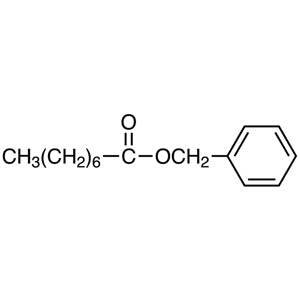
BenzylOctanoate TCI B6116
Regular price Rp 1.538.250,00Regular price -
tert-Butyl4-Bromobutanoate TCI B6167
Regular price Rp 2.439.150,00Regular price -
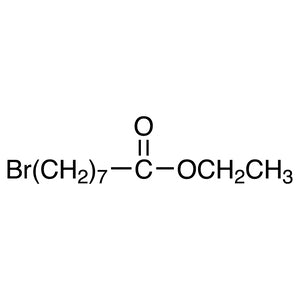
Ethyl8-Bromooctanoate TCI B6430
Regular price From Rp 928.200,00Regular price -
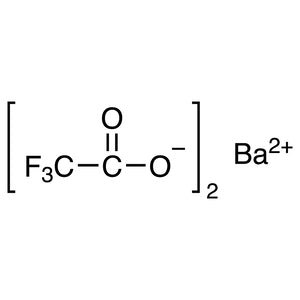
Barium(II)Trifluoroacetate TCI B6582
Regular price From Rp 2.068.500,00Regular price -
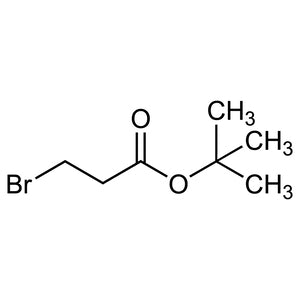
tert-Butyl3-Bromopropanoate TCI B6840
Regular price From Rp 2.545.200,00Regular price -
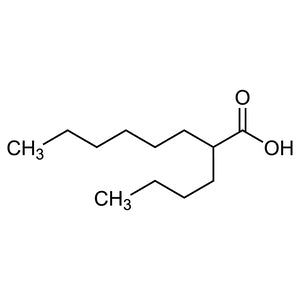
2-ButyloctanoicAcid TCI B6845
Regular price From Rp 848.400,00Regular price -
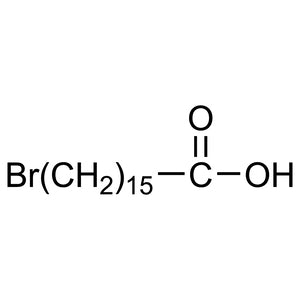
16-BromohexadecanoicAcid TCI B6915
Regular price From Rp 1.378.650,00Regular price -
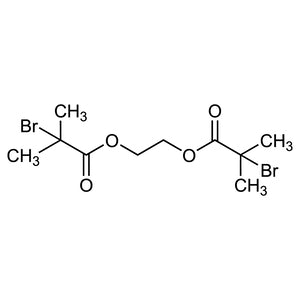
EthyleneBis(2-bromoisobutyrate) TCI B7067
Regular price From Rp 1.829.100,00Regular price