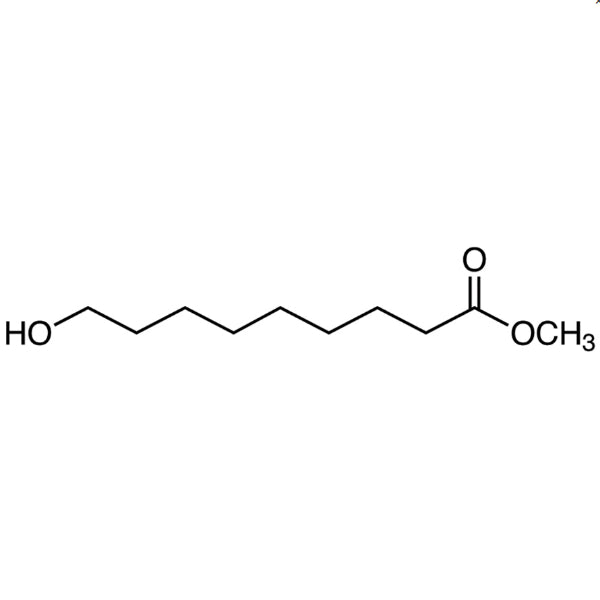
TCI H0835 Methyl 9-Hydroxynonanoate is the methyl ester of ω-hydroxynonanoic acid, a nine-carbon lipid compound carrying an ester group at one end of the chain and a primary hydroxyl group at the opposite end. Structures of this type are known as protected ω-hydroxy fatty acids and occupy an important position in both lipid biochemistry research and organic synthesis. In the laboratory, this compound is frequently used as an intermediate for building macrolactones, aliphatic polyesters, insect pheromones, and a wide range of other lipid derivatives. The presence of two functional groups with differing character on a single molecule makes it highly versatile in the design of stepwise synthetic routes.
The property that leads researchers to select this material is its dual reactivity, which can be controlled selectively. The primary hydroxyl group is readily esterified, etherified, oxidised to an aldehyde or acid, or activated into a leaving group, while the methyl ester group survives many reaction conditions and is only hydrolysed or reduced when the chemist intends it. The nine-carbon chain confers a lipophilic character resembling that of natural fatty acids, so derivatives prepared from it remain relevant to studies of membranes and related lipid systems.
In Indonesian laboratories, this reagent is typically handled within university research groups, government research institutes, and industrial R&D units working on lipid chemistry, synthetic intermediates, and materials derived from fatty acids. It is normally purchased in small research quantities, logged into the chemical inventory, and dispensed by trained personnel for bench-scale synthesis rather than routine bulk processing, with usage recorded against a specific project or method development activity.
- Macrolactone synthesis — the terminal hydroxyl and the masked carboxyl on one chain allow controlled intramolecular cyclisation after the ester is unmasked at the chosen stage.
- Aliphatic polyester preparation — the bifunctional nine-carbon monomer supports stepwise chain extension, giving researchers a defined repeating unit for polyester and oligoester model studies.
- Insect pheromone synthesis — many pheromone structures are built on medium-chain hydroxy acid frameworks, and this protected intermediate shortens the route to such targets considerably.
- Lipid derivative preparation — selective oxidation, etherification, or activation of the primary hydroxyl gives access to aldehydes, acids, ethers, and leaving-group derivatives from one starting material.
- Membrane and lipid system studies — the lipophilic nine-carbon chain resembles natural fatty acids, so derivatives prepared from it behave appropriately in membrane-related investigations.
| Brand | TCI |
|---|---|
| CAS number | 34957-73-8 |
| Molecular formula | — |
| Purity | — |
| Category | Life Science > Biochemicals and Reagents > Lipids |
| Pack sizes | available in standard TCI research pack sizes; please confirm the current packaging option when ordering |
| Physical form | — |
| Storage | store according to the conditions stated on the manufacturer's label and safety data sheet |
- Catalogue Number: H0835
Store the container tightly closed in a cool, dry, well-ventilated area away from direct sunlight, heat sources, and strong oxidising agents, following the storage conditions printed on the manufacturer's label and safety data sheet. Keep the material in its original supplier container or in a compatible, clearly labelled glass vessel with a secure closure, and avoid prolonged exposure to air and moisture. Handle in a fume hood using safety glasses, chemical-resistant gloves, and a laboratory coat. Dispense with clean, dry glassware to prevent contamination, close containers immediately after use, and follow the institution's chemical waste procedures for residues and rinsings. Read the full safety data sheet before first use.
—
Produk Terkait
-
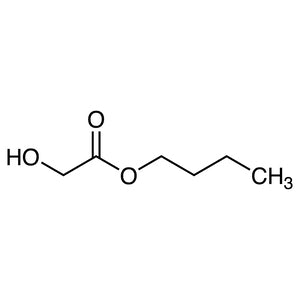
Butyl2-Hydroxyacetate TCI B6748
Regular price From Rp 1.220.100,00Regular price -
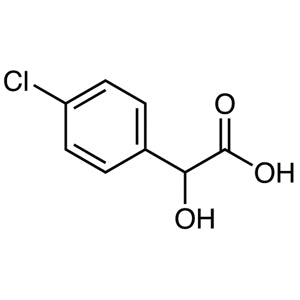
4-Chloro-DL-mandelicAcid TCI C0193
Regular price From Rp 1.035.300,00Regular price -
DeoxycholicAcid TCI C0315
Regular price From Rp 1.618.050,00Regular price -
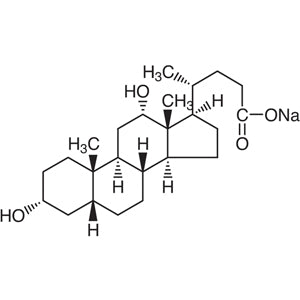
SodiumDeoxycholate TCI C0316
Regular price From Rp 1.644.300,00Regular price -
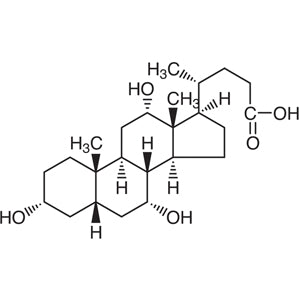
CholicAcid TCI C0324
Regular price From Rp 1.353.450,00Regular price -
SodiumCholate TCI C0325
Regular price From Rp 1.724.100,00Regular price -
ChenodeoxycholicAcid TCI C0750
Regular price Rp 1.246.350,00Regular price -
Methyl(E)-4-Chloro-3-methoxy-2-butenoate TCI C1340
Regular price From Rp 1.908.900,00Regular price