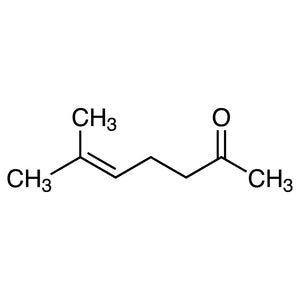
6-Methyl-5-hepten-2-one (TCI M0252) is a branched unsaturated ketone that organic chemists more commonly know as methylheptenone or sulcatone. Its molecule combines a ketone carbonyl group with a carbon–carbon double bond on the same chain, which allows the compound to serve as a fundamental scaffold, or building block, for constructing terpenoid molecules and long-chain acyclic derivatives. In the organic synthesis laboratory, this material frequently becomes the starting point for preparing aroma compounds, isoprenoid intermediates, and the side chains of complex molecules that would be considerably troublesome to assemble from smaller fragments one piece at a time.
What makes this compound a preferred choice is the presence of two reactive centres that can be addressed under different conditions. Its carbonyl group is ready to accept nucleophilic attack and will follow Grignard reactions, reduction, aldol condensation, and enolate formation, while its trisubstituted double bond can be directed towards epoxidation, selective hydrogenation, or ene reactions. This combination gives researchers the flexibility to extend the carbon chain from one end while reserving the other end for a subsequent stage of the synthetic sequence. The material is supplied in liquid form, which makes measuring and transferring it straightforward.
In Indonesian laboratories, this building block is typically used in organic synthesis and fine chemical research groups at universities and institutional research centres, as well as in development work on fragrance and flavour compounds. Its liquid form makes volumetric dispensing convenient for small-scale reactions, and because it belongs to the non-heterocyclic building blocks category, it is generally kept in the reagent inventory alongside other chain-extension intermediates for routine multi-step synthetic work.
- Terpenoid synthesis — the branched carbon skeleton with its isoprenoid pattern lets researchers build terpene frameworks without assembling the chain from smaller fragments step by step.
- Grignard and organometallic addition — the accessible ketone carbonyl readily accepts nucleophilic attack, giving tertiary alcohols that serve as intermediates in longer synthetic sequences.
- Aroma and fragrance compound preparation — as methylheptenone or sulcatone, it is a recognised starting material for producing aroma compounds in fine chemical development work.
- Selective double-bond transformation — the trisubstituted alkene can be directed towards epoxidation, selective hydrogenation, or ene reactions while leaving the carbonyl group untouched for later use.
- Aldol condensation and enolate chemistry — the carbonyl supports enolate formation and aldol condensation, allowing chain extension from one end of the molecule during multi-step syntheses.
| Brand | TCI (Tokyo Chemical Industry) |
|---|---|
| CAS number | 110-93-0 |
| Molecular formula | — |
| Purity | — |
| Category | Chemistry > Building Blocks > Non-Heterocyclic Building Blocks |
| Pack sizes | available in the standard packaging options listed on the product page |
| Physical form | Liquid |
| Storage | keep in a tightly closed container in a cool, well-ventilated area away from ignition sources |
- Catalogue Number: M0252
Store 6-Methyl-5-hepten-2-one in a tightly closed original container in a cool, dry, and well-ventilated area, away from heat, open flames, and other ignition sources. As a liquid organic reagent, it is best kept in a compatible glass or manufacturer-supplied bottle with a secure closure to limit evaporation and exposure to air. Handle the material inside a fume hood, and wear appropriate personal protective equipment including safety goggles, chemical-resistant gloves, and a laboratory coat. Dispense using clean, dry glassware, close the container immediately after use, and keep it separated from strong oxidising agents. Consult the manufacturer's safety data sheet before use, and follow your institution's procedures for chemical waste disposal.
—
Produk Terkait
-
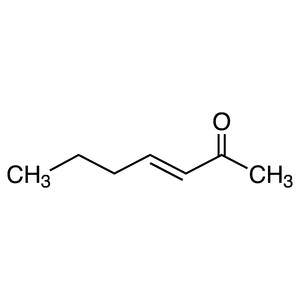
3-Hepten-2-one TCI H0838
Regular price Rp 2.650.200,00Regular price -
6-Hepten-1-ol TCI H0949
Regular price From Rp 11.793.600,00Regular price -
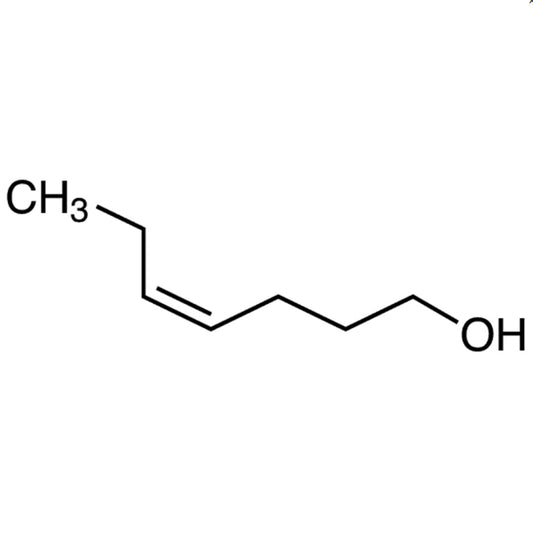
cis-4-Hepten-1-ol TCI H0833
Regular price From Rp 1.856.400,00Regular price -
trans-2-Hepten-1-ol TCI H0682
Regular price Rp 2.466.450,00Regular price