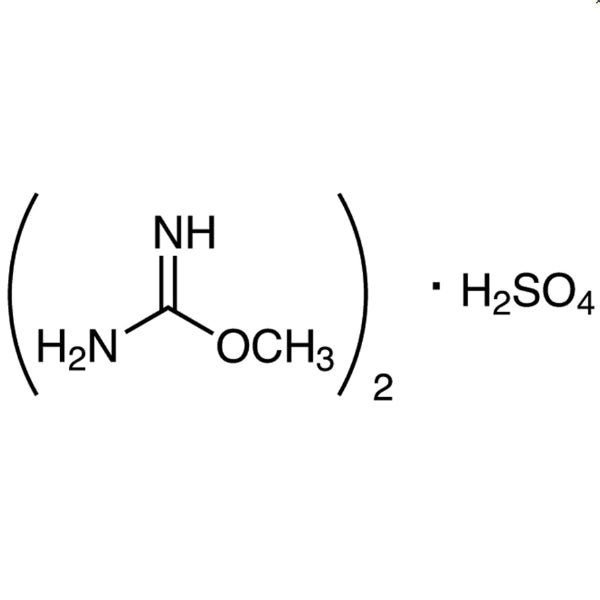
TCI M0411 O-Methylisourea Sulfate is a classical guanidinylation reagent supplied as the sulfate salt, a form that is more stable and easier to handle than the corresponding free base. The compound acts as a donor of the guanidine group — a functional group that is strongly basic and positively charged under physiological conditions, and one that occurs widely in the amino acid arginine as well as in many biologically active molecules. In the laboratory, this reagent is used to convert primary amine groups into guanidine groups, both on small synthetic molecules and on lysine residues in protein and peptide modification research.
The characteristic that makes this reagent a preferred choice is the ease with which it can be used in aqueous systems under mildly basic conditions, so that guanidinylation can proceed without requiring special organic solvents or complicated equipment. The sulfate salt form gives a crystalline solid that is easy to weigh out, sufficiently stable when stored correctly, and well soluble in water. The reagent is also relatively selective toward primary amine groups, allowing researchers to modify their intended target without excessively disturbing other functional groups present in the substrate.
It is this procedural simplicity that makes the reagent a practical option for Indonesian laboratories working in organic synthesis, medicinal chemistry, and protein or peptide chemistry. Academic research groups, university teaching laboratories, and industrial R&D units can adopt the reagent using ordinary glassware and standard aqueous buffer systems already available on the bench, without the specialised infrastructure that more demanding guanidinylation routes would require.
- Guanidinylation of primary amines in organic synthesis — the reagent transfers a guanidine group directly to a primary amine, giving a straightforward route to guanidine-containing target molecules without multi-step protecting group strategies.
- Conversion of lysine residues in protein modification studies — the side-chain primary amine of lysine is converted to a guanidine function, letting researchers study how this change in basicity and charge affects protein behaviour.
- Peptide chemistry and arginine-mimetic design — because the guanidine group is the defining feature of arginine, the reagent allows peptides to be modified toward arginine-like character at selected positions.
- Medicinal chemistry building block work — as a non-heterocyclic building block, it introduces the strongly basic, positively charged guanidine motif that appears in many biologically active molecules under investigation.
- Aqueous-phase derivatisation under mild basic conditions — its good water solubility and workability in mildly basic media suit laboratories that prefer to avoid specialised organic solvents and complex reaction setups.
| Brand | TCI (Tokyo Chemical Industry) |
|---|---|
| CAS number | 52328-05-9 |
| Molecular formula | — |
| Purity | — |
| Category | Chemistry > Building Blocks > Non-Heterocyclic Building Blocks |
| Pack sizes | Available in the standard TCI research pack sizes; please confirm the currently available options when ordering |
| Physical form | Crystalline solid (sulfate salt), soluble in water |
| Storage | Store correctly as indicated on the manufacturer's label to maintain stability |
- Catalogue Number: M0411
Store the material in its original tightly closed container in a cool, dry place, protected from moisture, and follow the storage conditions stated on the manufacturer's label and safety data sheet. Keep the container closed when not in use, since the salt is water soluble and may take up atmospheric moisture, which can complicate accurate weighing. Handle the solid in a well-ventilated area or fume hood, wearing a laboratory coat, safety glasses, and chemically resistant gloves, and avoid generating dust or breathing in the powder. Use clean, dry spatulas and glassware when weighing to prevent contamination of the stock, and prepare aqueous solutions fresh where the experimental procedure calls for it. Dispose of residues and contaminated materials in accordance with institutional chemical waste procedures and the applicable local regulations.
—
Produk Terkait
-
GuanylureaSulfate TCI D0433
Regular price From Rp 1.220.100,00Regular price -
N,N'-Diisopropyl-O-methylisourea TCI D4587
Regular price Rp 3.817.800,00Regular price -
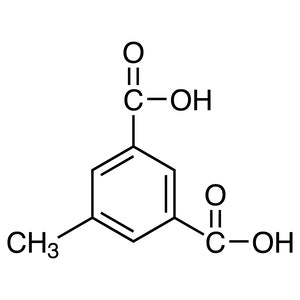
5-MethylisophthalicAcid TCI M1903
Regular price From Rp 1.246.350,00Regular price -
2-Hydroxy-5-methylisophthalaldehyde TCI H0683
Regular price From Rp 2.466.450,00Regular price -
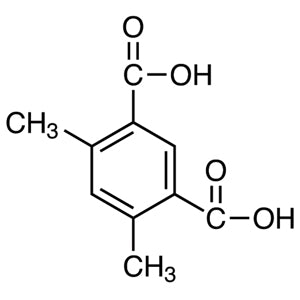
4,6-DimethylisophthalicAcid TCI D4377
Regular price From Rp 2.094.750,00Regular price -
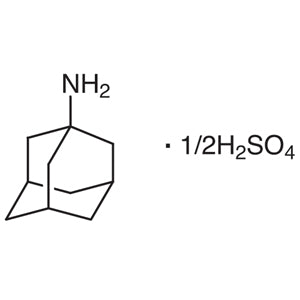
1-AdamantanamineSulfate TCI A1319
Regular price Rp 1.167.600,00Regular price -
AminoacetonitrileSulfate TCI A0912
Regular price From Rp 1.696.800,00Regular price -
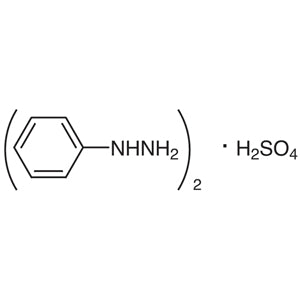
PhenylhydrazineSulfate TCI P0186
Regular price Rp 1.246.350,00Regular price