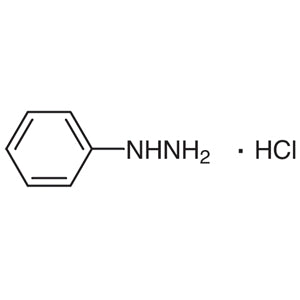
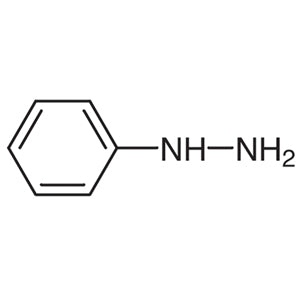
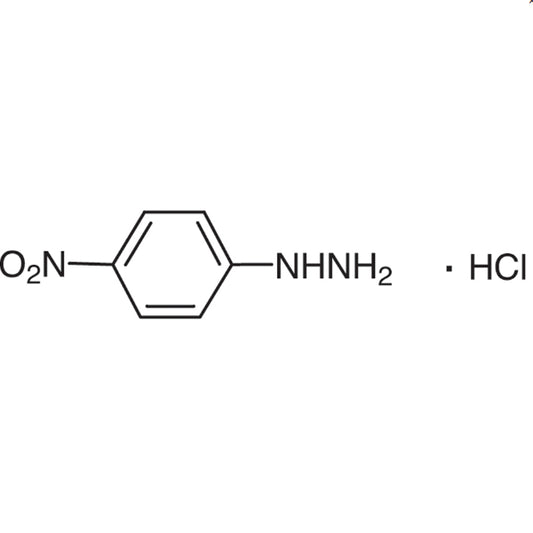
Phenylhydrazine Sulfate TCI P0186 is a chemical compound widely used in laboratory settings for its versatile applications in chemical reactions. It plays a crucial role in qualitative and quantitative analysis, particularly in the synthesis of organic compounds. This reagent is especially valuable in hydrazine reactions, which are essential for identifying and isolating carbonyl compounds such as aldehydes and ketones. Its ability to form specific derivatives with carbonyl groups makes it an indispensable tool in analytical chemistry.
The compound is chemically stable under certain conditions but remains highly reactive towards carbonyl compounds. This reactivity allows it to selectively bind to carbonyl groups, facilitating accurate analysis and identification. Additionally, its good solubility in organic solvents simplifies the processes of separation and purification. These properties make it a preferred choice for researchers and analysts seeking reliable and consistent results in their experiments.
In Indonesian laboratories, Phenylhydrazine Sulfate is extensively used in chemical research, particularly in quantitative analysis and organic synthesis. It is commonly employed in educational institutions and research facilities for both teaching and experimental purposes. Its availability and effectiveness have made it a standard component in many laboratory workflows across the country.
Related TCI products
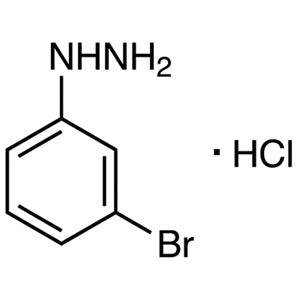
- TCI B3847 27246-81-7 3-Bromophenylhydrazine Hydrochloride
- TCI B2147 50709-33-6 2-Bromophenylhydrazine Hydrochloride
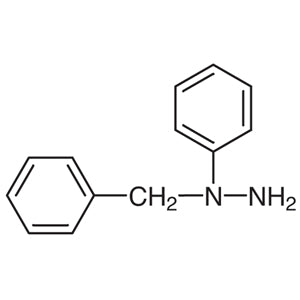
- TCI B1157 614-31-3 1-Benzyl-1-phenylhydrazine
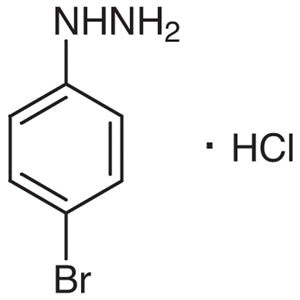
- TCI B0635 622-88-8 4-Bromophenylhydrazine Hydrochloride
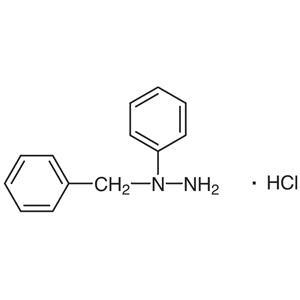
- TCI B0434 5705-15-7 1-Benzyl-1-phenylhydrazine Hydrochloride
- TCI P0184 59-88-1 Phenylhydrazine Hydrochloride
- Qualitative Analysis of Carbonyl Compounds: Phenylhydrazine Sulfate is used to detect and identify aldehydes and ketones through the formation of characteristic hydrazone derivatives.
- Synthesis of Organic Compounds: It serves as a reagent in the synthesis of various organic molecules, particularly in hydrazine-based reactions.
- Research in Analytical Chemistry: Its reactivity and specificity make it ideal for studies involving the structural analysis of organic compounds.
- Educational Purposes in Chemistry Labs: It is frequently used in teaching laboratories to demonstrate hydrazine reactions and carbonyl compound identification.
- Purification and Separation Processes: Due to its solubility in organic solvents, it is used in solvent-based separation and purification techniques.
| Brand | TCI |
|---|---|
| CAS number | 52033-74-6 |
| Molecular formula | — |
| Purity | — |
| Category | Chemistry > Building Blocks > Non-Heterocyclic Building Blocks |
| Pack sizes | — |
| Physical form | — |
| Storage | Store in a cool, dry place away from moisture and direct sunlight |
Phenylhydrazine Sulfate should be stored in a cool, dry place, away from moisture and direct sunlight. It is recommended to use airtight containers to prevent exposure to air and humidity. Due to its reactivity, it should be handled with care, using appropriate personal protective equipment such as gloves and safety goggles. It is important to ensure that it is stored separately from incompatible substances to avoid any potential chemical interactions. In laboratory settings, it should be kept in a well-ventilated area to minimize inhalation risks. Always follow standard laboratory safety protocols when handling and storing this compound.
—
Produk Terkait
-
3-BromophenylhydrazineHydrochloride TCI B3847
Regular price Rp 2.491.650,00Regular price -
2-BromophenylhydrazineHydrochloride TCI B2147
Regular price From Rp 2.279.550,00Regular price -
1-Benzyl-1-phenylhydrazine TCI B1157
Regular price Rp 2.782.500,00Regular price -
4-BromophenylhydrazineHydrochloride TCI B0635
Regular price From Rp 1.590.750,00Regular price -
1-Benzyl-1-phenylhydrazineHydrochloride TCI B0434
Regular price From Rp 1.565.550,00Regular price -
PhenylhydrazineHydrochloride TCI P0184
Regular price From Rp 1.008.000,00Regular price -
Phenylhydrazine TCI P0183
Regular price From Rp 557.550,00Regular price -
4-NitrophenylhydrazineHydrochloride TCI N0233
Regular price From Rp 823.200,00Regular price