Phenylhydrazine Hydrochloride is a chemical compound widely used in laboratory settings for its versatile applications in organic chemistry. It plays a crucial role in various synthetic reactions, particularly in the formation of heterocyclic compounds and quantitative analysis. This reagent is essential for hydrazination reactions, which are fundamental in the synthesis of compounds like acetylanilide and its derivatives. Its ability to react with carbonyl compounds such as aldehydes and ketones makes it a valuable tool in molecular structure analysis and organic characterization.
One of the key properties that make Phenylhydrazine Hydrochloride a preferred choice is its chemical stability under controlled conditions, combined with high reactivity towards carbonyl groups. This reactivity enables it to form hydrazones, which are critical in qualitative and quantitative analysis. Its solid form and ease of handling further enhance its popularity in laboratory environments. The compound is also well-suited for educational purposes, allowing students to explore fundamental chemical reactions and synthesis techniques.
In Indonesian laboratories, Phenylhydrazine Hydrochloride is extensively used in organic chemistry research, especially in pharmaceutical and analytical chemistry fields. It is commonly found in university-level teaching labs, where it serves as an essential reagent for demonstrating chemical reactions and synthesis processes. Its reliability and effectiveness make it a staple in both academic and industrial research settings.
Related TCI products
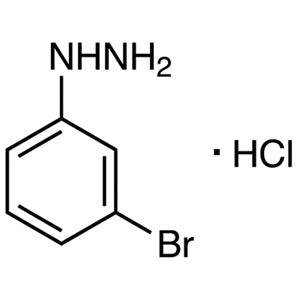
- TCI B3847 27246-81-7 3-Bromophenylhydrazine Hydrochloride
- TCI B2147 50709-33-6 2-Bromophenylhydrazine Hydrochloride
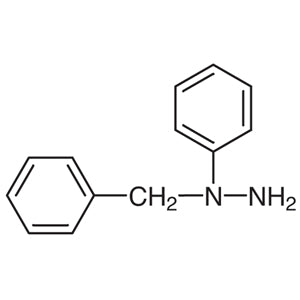
- TCI B1157 614-31-3 1-Benzyl-1-phenylhydrazine
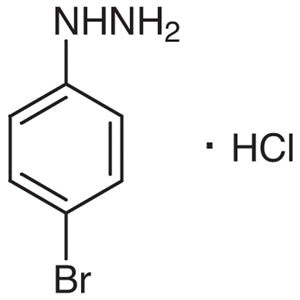
- TCI B0635 622-88-8 4-Bromophenylhydrazine Hydrochloride
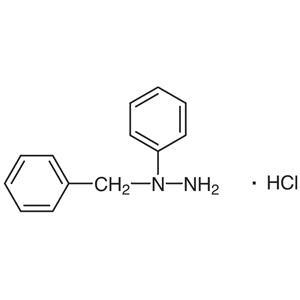
- TCI B0434 5705-15-7 1-Benzyl-1-phenylhydrazine Hydrochloride
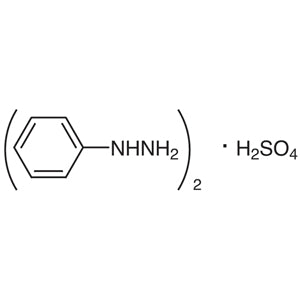
- TCI P0186 52033-74-6 Phenylhydrazine Sulfate
- Organic synthesis for the preparation of heterocyclic compounds due to its reactivity with carbonyl groups.
- Quantitative analysis in analytical chemistry for determining the presence of specific functional groups.
- Teaching laboratory use in universities to demonstrate hydrazination reactions and molecular structure analysis.
- Pharmaceutical research for the synthesis of acetylanilide and its derivatives through hydrazine reactions.
- Characterization of organic compounds through the formation of hydrazones for structural identification.
| Brand | TCI |
|---|---|
| CAS number | 59-88-1 |
| Molecular formula | — |
| Purity | — |
| Category | Chemistry > Building Blocks > Non-Heterocyclic Building Blocks |
| Pack sizes | Available in various sizes as per standard laboratory supply |
| Physical form | Solid |
| Storage | Store in a cool, dry place away from moisture and direct sunlight |
Phenylhydrazine Hydrochloride should be stored in a cool, dry environment to maintain its chemical stability. It is recommended to keep the compound in a sealed container to prevent exposure to moisture and air. Due to its reactivity, it should be handled with care, using appropriate personal protective equipment such as gloves and safety goggles. Storage away from incompatible substances is essential to ensure safety. Regular monitoring of storage conditions is advised to maintain the integrity of the compound. This reagent is best suited for use in well-ventilated laboratory settings to minimize any potential risks associated with its handling.
—
Produk Terkait
-
3-BromophenylhydrazineHydrochloride TCI B3847
Regular price Rp 2.491.650,00Regular price -
2-BromophenylhydrazineHydrochloride TCI B2147
Regular price From Rp 2.279.550,00Regular price -
1-Benzyl-1-phenylhydrazine TCI B1157
Regular price Rp 2.782.500,00Regular price -
4-BromophenylhydrazineHydrochloride TCI B0635
Regular price From Rp 1.590.750,00Regular price -
1-Benzyl-1-phenylhydrazineHydrochloride TCI B0434
Regular price From Rp 1.565.550,00Regular price -
PhenylhydrazineSulfate TCI P0186
Regular price Rp 1.246.350,00Regular price -
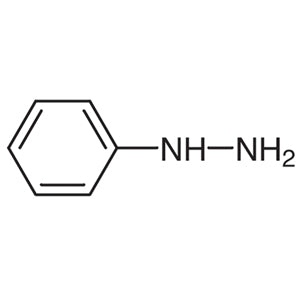
Phenylhydrazine TCI P0183
Regular price From Rp 557.550,00Regular price -
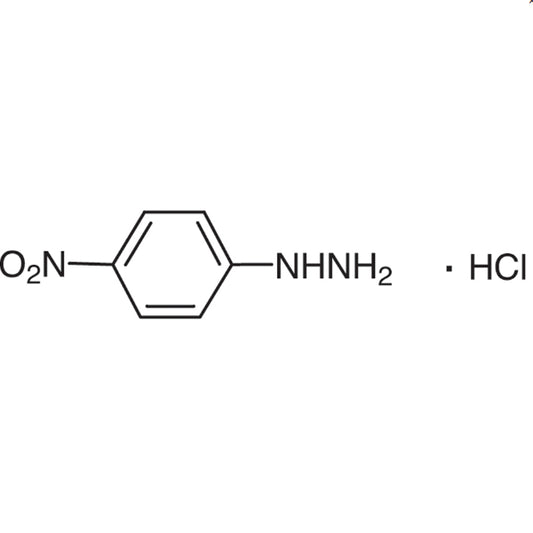
4-NitrophenylhydrazineHydrochloride TCI N0233
Regular price From Rp 823.200,00Regular price