3-Bromophenylhydrazine Hydrochloride is a chemical compound widely used in laboratory settings for its versatility in chemical reactions. It serves as a key building block in the synthesis of heterocyclic compounds and hydrazine derivatives, playing a crucial role in organic chemistry. This compound is essential for researchers aiming to modify molecular structures to achieve desired chemical properties. Its application spans across various scientific fields, including pharmaceutical development and organic synthesis, where it contributes to the creation of complex molecules.
The compound is valued for its chemical stability under controlled conditions and its ability to react with a variety of functional groups such as aldehydes, ketones, and carboxylic acids. Its reactivity allows it to form hydrazone and hydrazine derivatives, making it a preferred choice in high-activity chemical reactions. The solid form of this compound offers convenience in handling and storage, enhancing its practicality in laboratory environments. Its reliability and consistent performance make it a trusted material for scientific research.
In Indonesian laboratories, 3-Bromophenylhydrazine Hydrochloride is commonly used in scientific research, drug development, and organic synthesis. It is a fundamental reagent in experiments requiring hydrazinization reactions. Many research institutions and universities rely on this compound for complex chemical processes. Its availability and ease of use make it an essential tool for both academic and industrial research in Indonesia.
Related TCI products
- TCI B2147 50709-33-6 2-Bromophenylhydrazine Hydrochloride
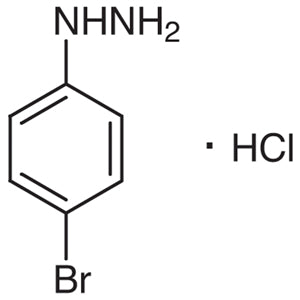
- TCI B0635 622-88-8 4-Bromophenylhydrazine Hydrochloride
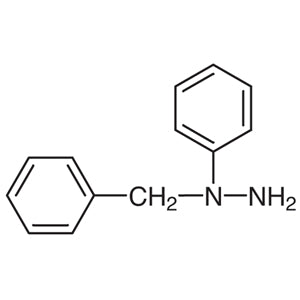
- TCI B1157 614-31-3 1-Benzyl-1-phenylhydrazine
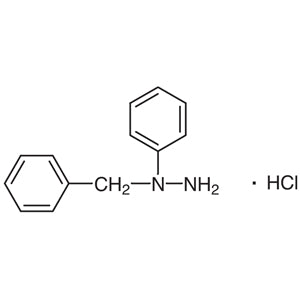
- TCI B0434 5705-15-7 1-Benzyl-1-phenylhydrazine Hydrochloride
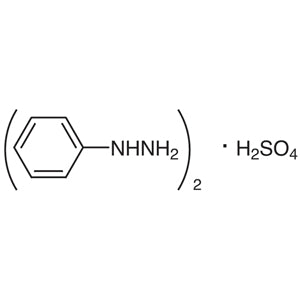
- TCI P0186 52033-74-6 Phenylhydrazine Sulfate
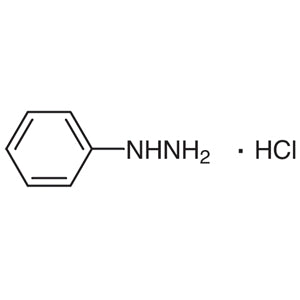
- TCI P0184 59-88-1 Phenylhydrazine Hydrochloride
- Pharmaceutical research and development due to its role in synthesizing complex organic compounds.
- Organic synthesis experiments where hydrazine derivatives are required for molecular modification.
- Drug discovery projects involving the creation of heterocyclic structures for medicinal applications.
- Academic research in chemistry departments focusing on hydrazone and hydrazine formation.
- Industrial chemical processes requiring stable and reactive building blocks for compound development.
| Brand | TCI |
|---|---|
| CAS number | 27246-81-7 |
| Molecular formula | — |
| Purity | — |
| Category | Chemistry > Building Blocks > Non-Heterocyclic Building Blocks |
| Pack sizes | Available in various quantities as per standard laboratory supply |
| Physical form | Solid |
| Storage | Store in a cool, dry place away from moisture and direct sunlight |
This compound should be stored in a cool, dry place, away from moisture and direct sunlight to maintain its chemical stability. It is recommended to use airtight containers to prevent exposure to air and humidity. Due to its reactivity, it should be handled with care in a well-ventilated laboratory environment. Always wear appropriate personal protective equipment, such as gloves and safety goggles, when working with this material. It is important to ensure that the storage area is secure and inaccessible to unauthorized personnel. Proper labeling of containers is essential for safe handling and to prevent accidental exposure.
—
Produk Terkait
-
2-BromophenylhydrazineHydrochloride TCI B2147
Regular price From Rp 2.332.050,00Regular priceRp 1.646.400,00Sale price From Rp 2.332.050,00 -
4-BromophenylhydrazineHydrochloride TCI B0635
Regular price From Rp 1.643.250,00Regular priceRp 1.164.450,00Sale price From Rp 1.643.250,00 -
1-Benzyl-1-phenylhydrazine TCI B1157
Regular price Rp 2.835.000,00Regular priceRp 1.998.150,00Sale price Rp 2.835.000,00 -
1-Benzyl-1-phenylhydrazineHydrochloride TCI B0434
Regular price From Rp 1.618.050,00Regular priceRp 1.146.600,00Sale price From Rp 1.618.050,00 -
PhenylhydrazineSulfate TCI P0186
Regular price Rp 1.298.850,00Regular priceRp 924.000,00Sale price Rp 1.298.850,00 -
PhenylhydrazineHydrochloride TCI P0184
Regular price From Rp 1.060.500,00Regular priceRp 757.050,00Sale price From Rp 1.060.500,00 -
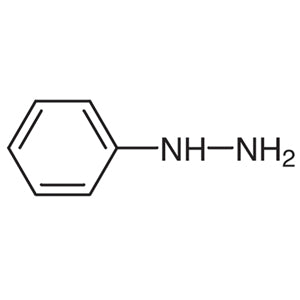
Phenylhydrazine TCI P0183
Regular price From Rp 610.050,00Regular priceRp 442.050,00Sale price From Rp 610.050,00 -
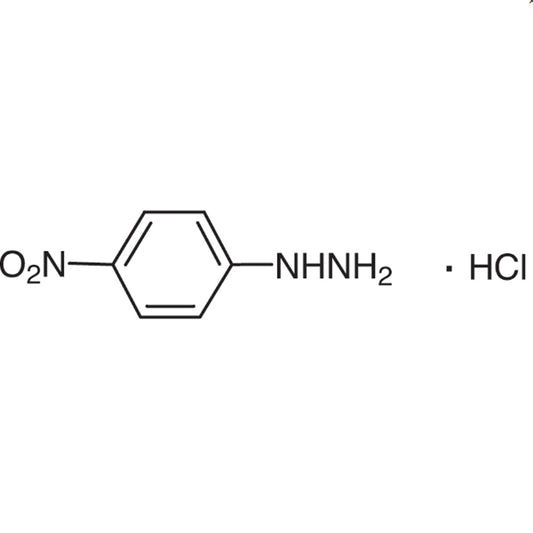
4-NitrophenylhydrazineHydrochloride TCI N0233
Regular price From Rp 875.700,00Regular priceRp 627.900,00Sale price From Rp 875.700,00