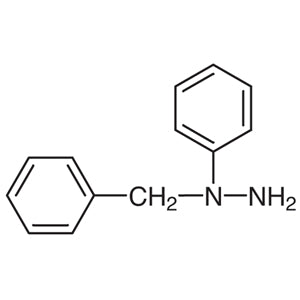
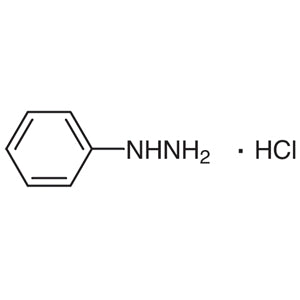
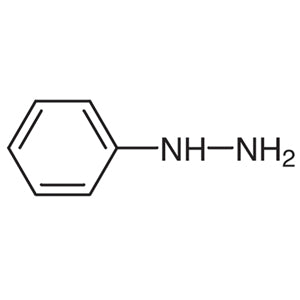
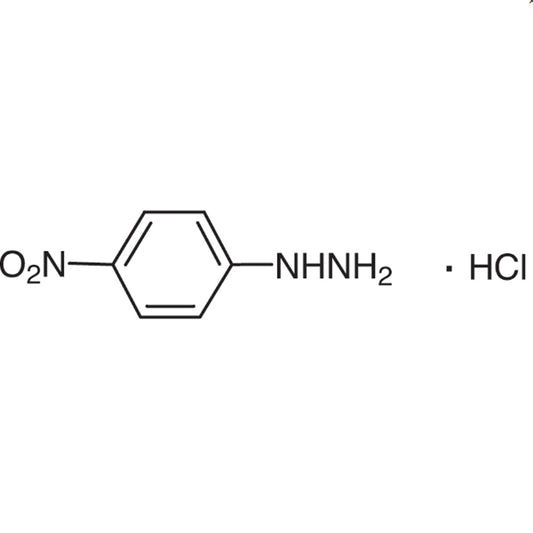
1-Benzyl-1-phenylhydrazine Hydrochloride is a chemical compound widely used in laboratory settings for its versatility in organic synthesis. It serves as a key reagent in various chemical reactions, particularly in the formation of heterocyclic compounds and hydrazine derivatives. Its molecular structure, consisting of two aromatic chains linked by a hydrazine group, makes it an essential building block for the development of bioactive compounds. This compound is frequently employed in research to explore new chemical pathways and functional group transformations.
The compound's stability and reactivity make it a preferred choice for chemists working in both academic and industrial environments. Its ability to dissolve in organic solvents such as ethyl acetate and acetone enhances its utility in purification and reaction processes. These properties ensure that it remains a reliable and efficient reagent in complex synthetic procedures. Its compatibility with a wide range of reaction conditions further supports its use in diverse chemical applications.
In Indonesian laboratories, 1-Benzyl-1-phenylhydrazine Hydrochloride is commonly used in organic chemistry research, particularly in pharmacological studies and the synthesis of active compounds. Its role in drug development and chemical innovation makes it a valuable resource for researchers aiming to create new therapeutic agents and industrial chemicals. The compound's consistent performance and predictable behavior contribute to its widespread adoption in scientific investigations.
Related TCI products
- TCI B1157 614-31-3 1-Benzyl-1-phenylhydrazine
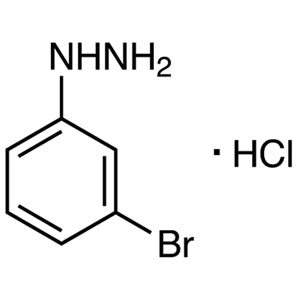
- TCI B3847 27246-81-7 3-Bromophenylhydrazine Hydrochloride
- TCI B2147 50709-33-6 2-Bromophenylhydrazine Hydrochloride
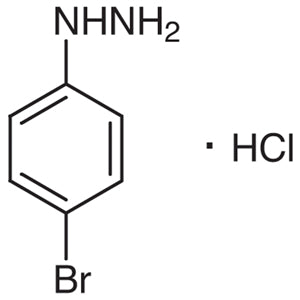
- TCI B0635 622-88-8 4-Bromophenylhydrazine Hydrochloride
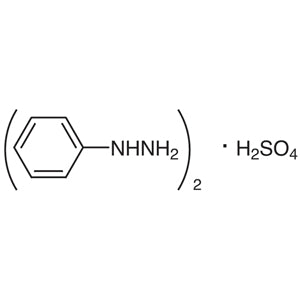
- TCI P0186 52033-74-6 Phenylhydrazine Sulfate
- TCI P0184 59-88-1 Phenylhydrazine Hydrochloride
- Organic synthesis applications benefit from its role in forming heterocyclic structures and hydrazine derivatives, supporting the development of bioactive compounds.
- Drug discovery programs utilize it as a reagent in the synthesis of pharmaceutical intermediates, aiding in the creation of novel therapeutic agents.
- Chemical research projects rely on its stability and reactivity for complex reaction sequences, enabling the exploration of new chemical pathways.
- Industrial chemical production uses it in the manufacture of specialty chemicals, contributing to the development of advanced materials and products.
- Analytical chemistry experiments employ it as a standard for testing reactivity and compatibility in various solvent systems and reaction conditions.
| Brand | TCI |
|---|---|
| CAS number | 5705-15-7 |
| Molecular formula | — |
| Purity | — |
| Category | Chemistry > Building Blocks > Non-Heterocyclic Building Blocks |
| Pack sizes | Available in various quantities as per supplier specifications |
| Physical form | Solid powder |
| Storage | Store in a cool, dry place away from moisture and direct sunlight |
This compound should be stored in a cool, dry environment to maintain its chemical integrity and prevent degradation. It is recommended to use airtight containers to protect it from moisture and humidity, which can affect its stability. Due to its potential reactivity, it should be handled in a well-ventilated area, and appropriate personal protective equipment should be worn when working with it. Avoid exposure to heat and direct sunlight to ensure long-term storage. In laboratory settings, it is important to follow standard safety protocols to minimize any risks associated with its use. Proper labeling and storage practices are essential to maintain the safety and effectiveness of this compound in research applications.
—
Produk Terkait
-
1-Benzyl-1-phenylhydrazine TCI B1157
Regular price Rp 2.835.000,00Regular priceRp 1.998.150,00Sale price Rp 2.835.000,00 -
3-BromophenylhydrazineHydrochloride TCI B3847
Regular price Rp 2.544.150,00Regular priceRp 1.794.450,00Sale price Rp 2.544.150,00 -
2-BromophenylhydrazineHydrochloride TCI B2147
Regular price From Rp 2.332.050,00Regular priceRp 1.646.400,00Sale price From Rp 2.332.050,00 -
4-BromophenylhydrazineHydrochloride TCI B0635
Regular price From Rp 1.643.250,00Regular priceRp 1.164.450,00Sale price From Rp 1.643.250,00 -
PhenylhydrazineSulfate TCI P0186
Regular price Rp 1.298.850,00Regular priceRp 924.000,00Sale price Rp 1.298.850,00 -
PhenylhydrazineHydrochloride TCI P0184
Regular price From Rp 1.060.500,00Regular priceRp 757.050,00Sale price From Rp 1.060.500,00 -
Phenylhydrazine TCI P0183
Regular price From Rp 610.050,00Regular priceRp 442.050,00Sale price From Rp 610.050,00 -
4-NitrophenylhydrazineHydrochloride TCI N0233
Regular price From Rp 875.700,00Regular priceRp 627.900,00Sale price From Rp 875.700,00