1-Benzyl-1-phenylhydrazine is a chemical compound widely used in organic reactions, particularly in the synthesis of heterocyclic compounds and hydrazine derivatives. As a key building block in chemical synthesis, it plays a crucial role in the development of complex molecules with applications in pharmacology, materials science, and organic chemistry. This compound is commonly found in chemical laboratories as a foundational reagent for generating new molecular structures. Its ability to participate in reactions such as hydrazone formation and hydrazination makes it a versatile tool for synthetic chemists.
The compound is valued for its stable molecular structure and reactivity with a variety of substrates, including aldehydes, ketones, and carboxylic acids. These characteristics make it a preferred choice for reactions requiring controlled chemical stability and reactivity. Its solubility in organic solvents and availability in solid form further enhance its usability across different experimental scales. This combination of stability and reactivity ensures its effectiveness in both academic and industrial research settings.
In Indonesian laboratories, 1-Benzyl-1-phenylhydrazine is extensively used in organic chemistry research, especially in the synthesis of new compounds and the development of chemical materials for industrial applications. Its specific properties and reliability in chemical reactions make it a trusted reagent for researchers aiming to produce compounds with targeted functionalities and applications.
Related TCI products
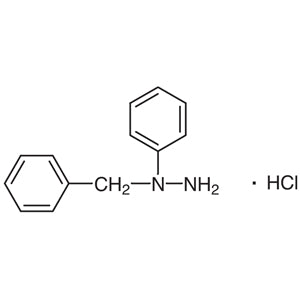
- TCI B0434 5705-15-7 1-Benzyl-1-phenylhydrazine Hydrochloride
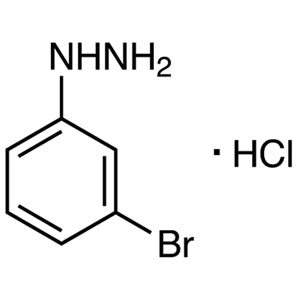
- TCI B3847 27246-81-7 3-Bromophenylhydrazine Hydrochloride
- TCI B2147 50709-33-6 2-Bromophenylhydrazine Hydrochloride
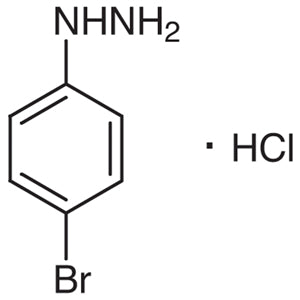
- TCI B0635 622-88-8 4-Bromophenylhydrazine Hydrochloride
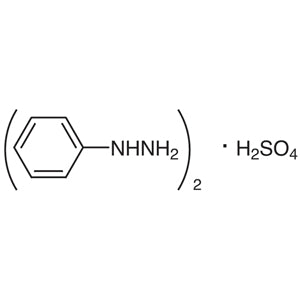
- TCI P0186 52033-74-6 Phenylhydrazine Sulfate
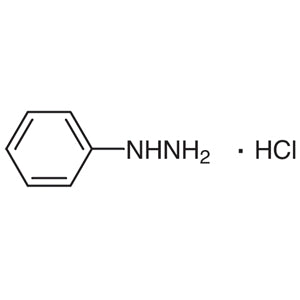
- TCI P0184 59-88-1 Phenylhydrazine Hydrochloride
- Organic synthesis of heterocyclic compounds due to its reactivity in hydrazone and hydrazine formation reactions.
- Development of pharmaceutical compounds as a building block in drug molecule synthesis processes.
- Research in materials science for the creation of functional chemical materials with specific properties.
- Study of reaction mechanisms involving hydrazine derivatives in both academic and industrial settings.
- Preparation of intermediates for the production of complex organic molecules in chemical research laboratories.
| Brand | TCI |
|---|---|
| CAS number | 614-31-3 |
| Molecular formula | — |
| Purity | — |
| Category | Chemistry > Building Blocks > Non-Heterocyclic Building Blocks |
| Pack sizes | Available in various quantities as per standard laboratory supply formats |
| Physical form | Solid |
| Storage | Store in a cool, dry place away from moisture and direct sunlight |
This compound should be stored in a cool, dry environment to maintain its stability and prevent degradation. It is recommended to use airtight containers to protect it from moisture and air exposure. Due to its chemical nature, it should be kept away from incompatible substances such as strong oxidizers. Proper labeling of storage containers is essential for safety and identification. Laboratory personnel should handle it with appropriate personal protective equipment, including gloves and safety goggles, to ensure safe handling. Regular inspection of storage conditions is advised to maintain optimal chemical integrity and safety standards.
—
Produk Terkait
-
1-Benzyl-1-phenylhydrazineHydrochloride TCI B0434
Regular price From Rp 1.618.050,00Regular priceRp 1.146.600,00Sale price From Rp 1.618.050,00 -
3-BromophenylhydrazineHydrochloride TCI B3847
Regular price Rp 2.544.150,00Regular priceRp 1.794.450,00Sale price Rp 2.544.150,00 -
2-BromophenylhydrazineHydrochloride TCI B2147
Regular price From Rp 2.332.050,00Regular priceRp 1.646.400,00Sale price From Rp 2.332.050,00 -
4-BromophenylhydrazineHydrochloride TCI B0635
Regular price From Rp 1.643.250,00Regular priceRp 1.164.450,00Sale price From Rp 1.643.250,00 -
PhenylhydrazineSulfate TCI P0186
Regular price Rp 1.298.850,00Regular priceRp 924.000,00Sale price Rp 1.298.850,00 -
PhenylhydrazineHydrochloride TCI P0184
Regular price From Rp 1.060.500,00Regular priceRp 757.050,00Sale price From Rp 1.060.500,00 -
Phenylhydrazine TCI P0183
Regular price From Rp 610.050,00Regular priceRp 442.050,00Sale price From Rp 610.050,00 -
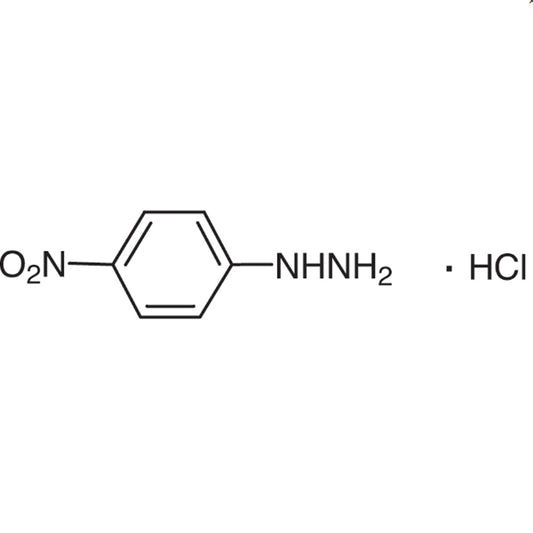
4-NitrophenylhydrazineHydrochloride TCI N0233
Regular price From Rp 875.700,00Regular priceRp 627.900,00Sale price From Rp 875.700,00