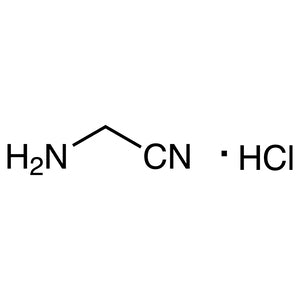
Aminoacetonitrile Sulfate is a chemical compound widely used as a foundational building block in various chemical reactions. Its simple molecular structure plays a crucial role in the synthesis of complex organic compounds, making it an essential material for researchers in both academic and industrial settings. In the laboratory, this compound serves as a versatile reagent, enabling the creation of pharmaceuticals, industrial chemicals, and other organic derivatives through multiple synthetic pathways. Its reactivity and adaptability make it a key component in the development of new chemical products and research initiatives.
This compound is particularly valued for its reactive nature, especially due to the presence of the nitrile and sulfate functional groups. These groups allow it to readily participate in a wide range of chemical reactions, including nucleophilic substitutions, condensations, and reductions. Its ability to interact with various reagents such as alcohols, acids, and bases enhances its utility in synthetic chemistry. The compound's reactivity ensures that it can be effectively utilized in diverse experimental setups, contributing to the efficiency and success of chemical synthesis processes.
In Indonesian laboratories, Aminoacetonitrile Sulfate is extensively used in chemical research and development. It is commonly found in academic and industrial laboratories where organic synthesis is a primary focus. Its availability and reactivity make it a preferred choice for researchers working on drug development, material science, and chemical engineering projects. Its stability under certain conditions also supports its practical application in routine laboratory operations.
Related TCI products
- TCI A2187 6011-14-9 Aminoacetonitrile Hydrochloride
- TCI D4145 70591-20-7 N-(Diphenylmethylene)aminoacetonitrile
- TCI C1439 3589-41-1 N-(Benzyloxycarbonyl)aminoacetonitrile
- TCI M0140 5616-32-0 Methylaminoacetonitrile
- TCI D1104 3010-02-4 Diethylaminoacetonitrile
- TCI A0252 41784-08-1 4'-Aminoacetophenone Hydrochloride
- Organic synthesis is a primary application where Aminoacetonitrile Sulfate is used to create complex molecules due to its reactivity and structural versatility.
- Pharmaceutical research benefits from this compound as it serves as a key intermediate in the development of new drugs and therapeutic agents.
- Industrial chemical production utilizes this material for the synthesis of various compounds used in manufacturing and chemical processing.
- Material science applications rely on its chemical properties to develop new polymers and functional materials with specific characteristics.
- Analytical chemistry experiments use this compound as a standard or reagent to test reaction mechanisms and chemical behavior under different conditions.
| Brand | TCI |
|---|---|
| CAS number | 5466-22-8 |
| Molecular formula | — |
| Purity | — |
| Category | Chemistry > Building Blocks > Non-Heterocyclic Building Blocks |
| Pack sizes | — |
| Physical form | — |
| Storage | Store in a cool, dry place away from moisture and direct sunlight. |
Aminoacetonitrile Sulfate should be stored in a cool, dry environment to maintain its chemical stability and prevent degradation. It is recommended to keep the compound in a sealed container to avoid exposure to moisture and air, which can affect its reactivity. Due to its reactive nature, it should be handled with care, using appropriate personal protective equipment such as gloves and safety goggles. It is important to store it away from incompatible substances like strong acids or bases to prevent unwanted chemical reactions. In laboratory settings, proper ventilation should be ensured when handling this compound to minimize any potential risks associated with its chemical properties.
—
Produk Terkait
-
AminoacetonitrileHydrochloride TCI A2187
Regular price Rp 1.140.300,00Regular priceRp 812.700,00Sale price Rp 1.140.300,00 -
N-(Diphenylmethylene)aminoacetonitrile TCI D4145
Regular price From Rp 1.431.150,00Regular priceRp 1.016.400,00Sale price From Rp 1.431.150,00 -
N-(Benzyloxycarbonyl)aminoacetonitrile TCI C1439
Regular price From Rp 4.954.950,00Regular priceRp 3.480.750,00Sale price From Rp 4.954.950,00 -
Methylaminoacetonitrile TCI M0140
Regular price From Rp 3.603.600,00Regular priceRp 2.535.750,00Sale price From Rp 3.603.600,00 -
Diethylaminoacetonitrile TCI D1104
Regular price Rp 3.180.450,00Regular priceRp 2.239.650,00Sale price Rp 3.180.450,00 -
4'-AminoacetophenoneHydrochloride TCI A0252
Regular price Rp 2.411.850,00Regular priceRp 1.702.050,00Sale price Rp 2.411.850,00 -
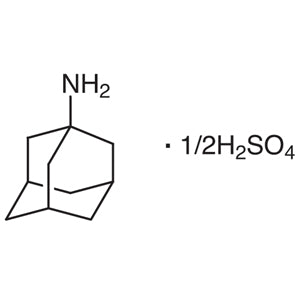
1-AdamantanamineSulfate TCI A1319
Regular price Rp 1.220.100,00Regular priceRp 868.350,00Sale price Rp 1.220.100,00 -
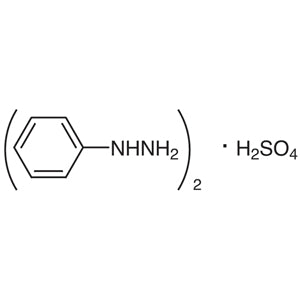
PhenylhydrazineSulfate TCI P0186
Regular price Rp 1.298.850,00Regular priceRp 924.000,00Sale price Rp 1.298.850,00