Diethylaminoacetonitrile (DEACN) is a chemical compound widely used as a building block in organic synthesis. It serves as a versatile reagent in laboratory settings, contributing to the development of complex organic molecules. Its structural simplicity allows it to participate in various chemical reactions, particularly those involving nitrile groups. In the laboratory, DEACN plays a crucial role in the synthesis of pharmaceuticals, pesticides, and industrial chemicals. Its reactivity makes it an essential component in substitution and addition reactions, supporting the creation of a wide range of chemical products.
DEACN is valued for its chemical stability under controlled conditions and its reactivity toward environmental factors such as heat, oxidation, and interaction with other chemicals. These properties make it ideal for use in reactions requiring precise control over reaction conditions. Additionally, its solubility in organic solvents facilitates mixing and separation processes in chemical experiments. This solubility characteristic enhances its utility in both research and industrial applications.
In Indonesian laboratories, DEACN is commonly used in both pure and applied chemical research. It is frequently employed in academic and research institutions for the development of new compounds and the study of chemical mechanisms. Its availability and reactivity make it a preferred choice for chemists working on drug discovery, environmental analysis, and material science projects.
Related TCI products
- Organic synthesis is a primary application where DEACN serves as a key reagent for constructing complex molecules due to its nitrile functionality and reactivity.
- Pharmaceutical research benefits from DEACN as it is used in the development of new drugs and active pharmaceutical ingredients through synthetic pathways.
- Pesticide formulation utilizes DEACN as a precursor in the creation of compounds with specific biological activities against pests and weeds.
- Industrial chemical production relies on DEACN for the synthesis of various chemical intermediates used in manufacturing processes.
- Environmental analysis employs DEACN in the study of chemical reactions and degradation processes in natural and synthetic systems.
| Brand | TCI |
|---|---|
| CAS number | 3010-02-4 |
| Molecular formula | — |
| Purity | — |
| Category | Chemistry > Building Blocks > Non-Heterocyclic Building Blocks |
| Pack sizes | Available in various quantities as per supplier specifications |
| Physical form | Liquid |
| Storage | Store in a cool, dry, and well-ventilated area away from heat and direct sunlight |
DEACN should be stored in a cool, dry, and well-ventilated area, away from heat and direct sunlight. It is recommended to use sealed containers made of materials compatible with its chemical properties, such as glass or high-density polyethylene. Due to its reactivity, it should be handled in a fume hood to minimize exposure to vapors. Proper personal protective equipment, including gloves, goggles, and lab coats, should be worn when handling this compound. Storage should be kept separate from incompatible substances like strong oxidizers or acids to prevent unwanted reactions. Regular monitoring of storage conditions ensures the stability and safety of the material in the laboratory environment.
—
Produk Terkait
-
4,4'-Bis(diethylamino)benzophenone TCI B1275
Regular price From Rp 477.750,00Regular price -
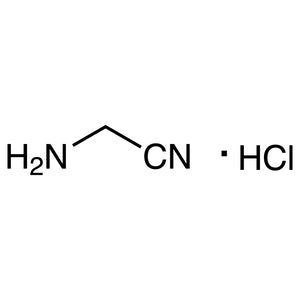
AminoacetonitrileHydrochloride TCI A2187
Regular price Rp 1.087.800,00Regular price -
AminoacetonitrileSulfate TCI A0912
Regular price From Rp 1.696.800,00Regular price -
Methylaminoacetonitrile TCI M0140
Regular price From Rp 3.551.100,00Regular price -
4-(Diethylamino)benzonitrile TCI D4852
Regular price From Rp 1.749.300,00Regular price -
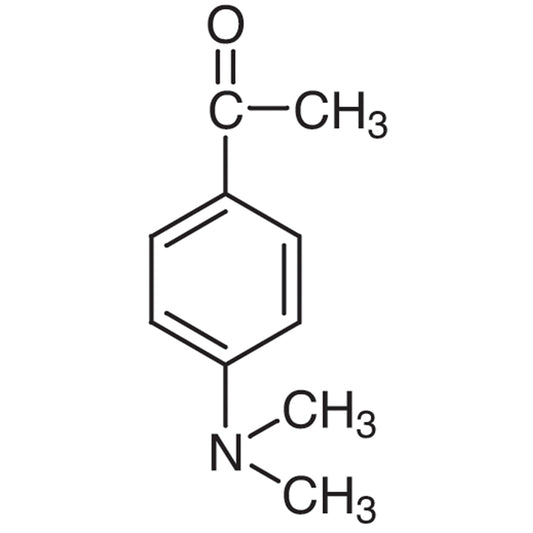
4'-Dimethylaminoacetophenone TCI D1575
Regular price From Rp 823.200,00Regular price -
3'-Dimethylaminoacetophenone TCI D1446
Regular price Rp 3.048.150,00Regular price -
4'-AminoacetophenoneHydrochloride TCI A0252
Regular price Rp 2.359.350,00Regular price