4,4'-Bis(diethylamino)benzophenone is a chemical compound widely used in various laboratory applications, particularly in organic synthesis. As a key building block in chemical reactions, it plays a crucial role in the development of new compounds, including pharmaceuticals, industrial chemicals, and advanced materials. Its molecular structure, featuring two diethylamino groups attached to a benzophenone ring, makes it highly reactive and versatile in chemical processes. This compound is essential for researchers aiming to explore novel synthetic pathways and functional materials in both academic and industrial settings.
The compound's ability to absorb ultraviolet (UV) light and convert it into heat energy makes it a preferred choice for photoreactions. This property enables it to act as a photosensitizer, initiating chemical reactions under light exposure. Its stability under specific conditions further enhances its usability, allowing for reliable performance in controlled laboratory environments. These characteristics make it a valuable tool in photoinitiator applications and other light-dependent chemical processes.
In Indonesian laboratories, 4,4'-Bis(diethylamino)benzophenone is commonly used in organic chemistry research. It supports the development of new compounds and materials, contributing to advancements in pharmaceutical and industrial chemistry. Its role in photoreactive systems is particularly significant, aiding in the synthesis of complex molecules and functional materials. Researchers in Indonesia rely on this compound for its reliability and effectiveness in various experimental setups.
Related TCI products
- TCI B1433 3708-39-2 4,4'-Bis(methylamino)benzophenone
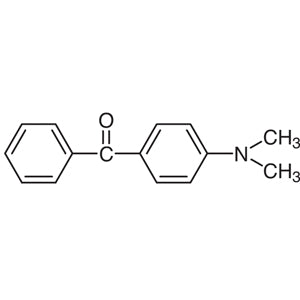
- TCI D2561 530-44-9 4-(Dimethylamino)benzophenone
- TCI A0289 2051-79-8 2-Amino-5-(diethylamino)toluene Monohydrochloride
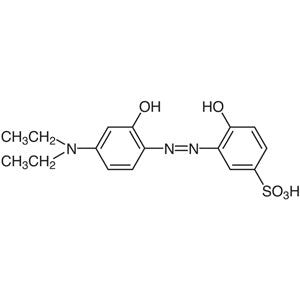
- TCI S0128 1563-01-5 5-Sulfo-4'-diethylamino-2,2'-dihydroxyazobenzene
- TCI D4852 2873-90-7 4-(Diethylamino)benzonitrile
- TCI D4850 54376-65-7 4-Diethylaminobenzaldoxime (mixture of isomers)
- Organic synthesis applications benefit from its reactivity and ability to participate in diverse chemical reactions, making it ideal for creating complex organic molecules.
- Photoreactive systems utilize its UV light absorption properties to initiate and control chemical reactions under light exposure, enhancing reaction efficiency.
- Pharmaceutical research leverages its role in the synthesis of drug compounds, supporting the development of new therapeutic agents and chemical entities.
- Industrial chemical production uses it as a building block for creating specialized materials and compounds with specific functional properties.
- Material science applications rely on its ability to contribute to the development of advanced materials with unique optical and chemical characteristics.
| Brand | TCI |
|---|---|
| CAS number | 90-93-7 |
| Molecular formula | — |
| Purity | — |
| Category | Chemistry > Building Blocks > Non-Heterocyclic Building Blocks |
| Pack sizes | Available in various quantities to suit different laboratory needs |
| Physical form | Solid |
| Storage | Store in a cool, dry place away from direct light |
4,4'-Bis(diethylamino)benzophenone should be stored in a cool, dry environment, away from direct sunlight to maintain its stability and effectiveness. It is recommended to use airtight containers to prevent moisture absorption and contamination. Due to its reactive nature, it should be handled with care, using appropriate personal protective equipment such as gloves and safety goggles. In laboratory settings, it should be stored separately from incompatible substances to avoid potential chemical interactions. Proper labeling of containers is essential for safe handling and to ensure the compound is used in the correct experimental conditions. Always follow standard safety protocols when working with this compound to minimize risks and ensure a safe laboratory environment.
—
Produk Terkait
-
4,4'-Bis(methylamino)benzophenone TCI B1433
Regular price Rp 3.922.800,00Regular priceRp 2.742.600,00Sale price Rp 3.922.800,00 -
4-(Dimethylamino)benzophenone TCI D2561
Regular price From Rp 1.033.200,00Regular priceRp 738.150,00Sale price From Rp 1.033.200,00 -
2-Amino-5-(diethylamino)tolueneMonohydrochloride TCI A0289
Regular price Rp 2.571.450,00Regular priceRp 1.797.600,00Sale price Rp 2.571.450,00 -
5-Sulfo-4'-diethylamino-2,2'-dihydroxyazobenzene TCI S0128
Regular price Rp 2.094.750,00Regular priceRp 1.464.750,00Sale price Rp 2.094.750,00 -
4-(Diethylamino)benzonitrile TCI D4852
Regular price From Rp 1.801.800,00Regular priceRp 1.275.750,00Sale price From Rp 1.801.800,00 -
4-Diethylaminobenzaldoxime(mixtureofisomers) TCI D4850
Regular price From Rp 662.550,00Regular priceRp 478.800,00Sale price From Rp 662.550,00 -
4'-Diethylaminoacetophenone TCI D2084
Regular price From Rp 2.597.700,00Regular priceRp 1.832.250,00Sale price From Rp 2.597.700,00 -
4-(Diethylamino)salicylaldehyde TCI D1752
Regular price From Rp 1.538.250,00Regular priceRp 1.090.950,00Sale price From Rp 1.538.250,00