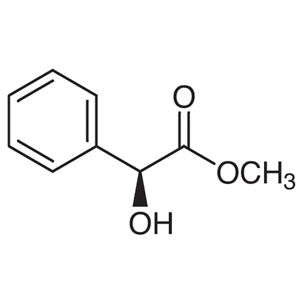
Methyl D-(-)-Mandelate is a chiral compound widely used in asymmetric synthesis, playing a crucial role in the development of chiral building blocks. This compound is essential for creating molecules with specific stereochemistry, which is vital in pharmaceutical and organic chemistry research. Its unique chiral structure allows it to act as a precursor in the synthesis of biologically active compounds, making it a valuable tool for scientists working on drug development and advanced chemical synthesis.
The compound’s chiral nature and molecular stability make it a preferred choice for researchers aiming to achieve high selectivity in their reactions. Its ability to react with various reagents under controlled conditions ensures consistent results in laboratory experiments. The molecular structure of Methyl D-(-)-Mandelate is well-suited for use in asymmetric catalysis, enabling the production of enantiomerically pure compounds. This characteristic is particularly important in the pharmaceutical industry, where the stereochemistry of a molecule can significantly impact its biological activity.
In Indonesian laboratories, Methyl D-(-)-Mandelate is commonly used in chemical and pharmaceutical research. It is a key component in experiments requiring precise control over stereochimical outcomes. Its availability in pure form and practical packaging makes it an ideal choice for both academic and industrial applications. Researchers in Indonesia rely on this compound for its reliability and effectiveness in producing high-quality, chiral compounds for further development and testing.
- Asymmetric Synthesis: Methyl D-(-)-Mandelate is ideal for asymmetric synthesis due to its chiral structure, enabling the production of enantiomerically pure compounds.
- Pharmaceutical Research: This compound is widely used in drug development to create molecules with specific stereochemistry, enhancing drug efficacy and selectivity.
- Organic Chemistry Experiments: Its molecular stability and reactivity make it suitable for various organic reactions requiring controlled stereochemical outcomes.
- Chiral Catalyst Development: Methyl D-(-)-Mandelate serves as a building block for developing chiral catalysts that improve reaction efficiency and selectivity.
- Bioactive Compound Synthesis: The compound is used to synthesize biologically active molecules, contributing to advancements in medicinal chemistry and pharmacology.
| Brand | TCI |
|---|---|
| CAS number | 20698-91-3 |
| Molecular formula | — |
| Purity | — |
| Category | Chemistry > Asymmetric Synthesis > Chiral Building Blocks |
| Pack sizes | Available in various quantities as per standard laboratory requirements |
| Physical form | Solid or crystalline, depending on the specific formulation |
| Storage | Store in a cool, dry place away from moisture and direct sunlight |
Methyl D-(-)-Mandelate should be stored in a cool, dry environment to maintain its stability and prevent degradation. It is recommended to keep the compound in a sealed container to avoid exposure to moisture and air, which can affect its integrity. Laboratory personnel should handle the material with care, using appropriate personal protective equipment such as gloves and safety goggles. The compound is generally non-hazardous under normal conditions but should be stored away from incompatible substances. Proper labeling and storage conditions are essential to ensure the safety of both the compound and the laboratory environment.
—
Produk Terkait
-
MethylL-(+)-Mandelate TCI M1350
Regular price From Rp 477.750,00Regular price -
Methyl2-Chloro-L-mandelate TCI M2383
Regular price Rp 1.749.300,00Regular price -
Methyl2-Chloro-D-mandelate TCI M2382
Regular price From Rp 1.644.300,00Regular price -
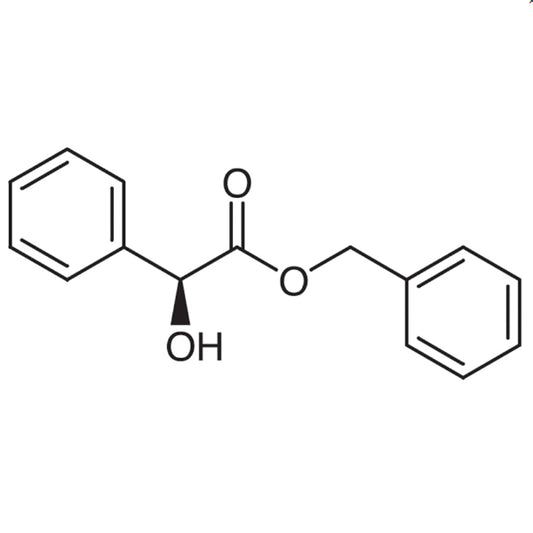
BenzylL-(+)-Mandelate TCI M1355
Regular price From Rp 928.200,00Regular price -
BenzylD-(-)-Mandelate TCI M1354
Regular price From Rp 505.050,00Regular price -
EthylD-(-)-Mandelate TCI M1344
Regular price From Rp 1.538.250,00Regular price -
EthylL-(+)-Mandelate TCI M1273
Regular price From Rp 903.000,00Regular price -
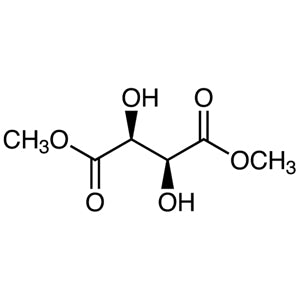
DimethylD-(-)-Tartrate TCI T1659
Regular price From Rp 584.850,00Regular price