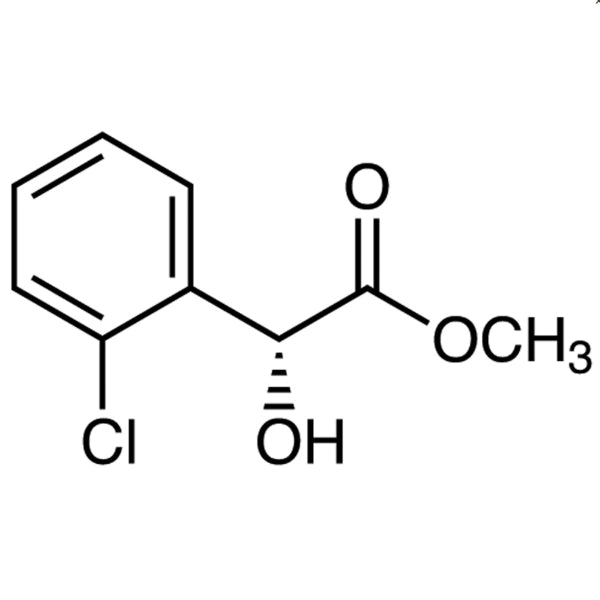
Methyl 2-Chloro-D-mandelate is a chiral compound widely used in asymmetric synthesis, playing a crucial role in the creation of molecules with defined stereochemistry. This compound serves as a chiral building block, enabling chemists to construct complex organic structures with precise spatial arrangements. Its importance lies in its ability to influence reaction outcomes through stereoselective processes, making it indispensable in modern synthetic chemistry. In laboratory settings, it is frequently employed to generate enantiomerically pure compounds, which are essential for pharmaceutical and biochemical applications.
The compound's unique structural features, particularly the presence of a chloro group at the 2-position of the D-mandelate moiety, make it a preferred choice for asymmetric reactions. This molecular configuration allows for effective interaction with chiral catalysts or enzymes, facilitating the formation of desired stereoisomers. Its stability under controlled conditions further enhances its utility, ensuring reliable results in synthetic processes. The chiral nature of this compound also enables the synthesis of bioactive molecules, contributing to the development of pharmaceuticals with specific therapeutic properties.
In Indonesian laboratories, Methyl 2-Chloro-D-mandelate is commonly used in organic chemistry research, especially in asymmetric synthesis and the development of new compounds. It is a key reagent in academic and industrial settings, supporting studies on molecular structure and reactivity. Its application extends to drug development, where its chiral properties are leveraged to create compounds with targeted biological activities. This compound is a vital tool for advancing chemical research in Indonesia.
- Asymmetric Synthesis: This compound is ideal for creating enantiomerically pure compounds, which are essential in pharmaceutical research due to its chiral properties.
- Chiral Building Block Research: It is frequently used in studies focused on developing new chiral molecules, aiding in the design of complex organic structures.
- Pharmaceutical Development: Its ability to influence stereoselectivity makes it a valuable tool in the synthesis of bioactive compounds and drug candidates.
- Organic Chemistry Education: It is commonly used in academic settings to teach students about stereochemistry and asymmetric reaction mechanisms.
- Industrial Chemical Synthesis: It supports the production of specialized chemicals, contributing to the advancement of chemical manufacturing processes.
| Brand | TCI |
|---|---|
| CAS number | 32345-59-8 |
| Molecular formula | — |
| Purity | — |
| Category | Chemistry > Asymmetric Synthesis > Chiral Building Blocks |
| Pack sizes | Available in standard laboratory quantities |
| Physical form | Solid or liquid, depending on supplier packaging |
| Storage | Store in a cool, dry place away from light |
Methyl 2-Chloro-D-mandelate should be stored in a cool, dry environment to maintain its chemical integrity and prevent degradation. It is recommended to use airtight containers to minimize exposure to moisture and air, which can affect its stability. Proper labeling of storage containers is essential for safety and traceability. In laboratory settings, it should be handled with appropriate personal protective equipment, including gloves and safety goggles, to ensure safe handling. Avoid direct contact with skin or inhalation of vapors, and ensure adequate ventilation when working with this compound. Regular monitoring of storage conditions is advised to maintain optimal performance and safety standards.
—
Produk Terkait
-
Methyl2-Chloro-L-mandelate TCI M2383
Regular price Rp 1.749.300,00Regular price -
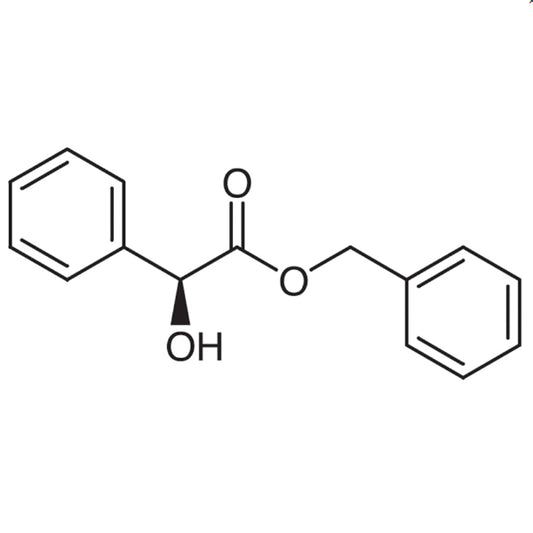
BenzylL-(+)-Mandelate TCI M1355
Regular price From Rp 928.200,00Regular price -
BenzylD-(-)-Mandelate TCI M1354
Regular price From Rp 505.050,00Regular price -
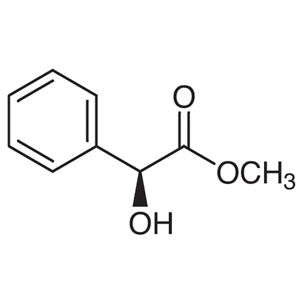
MethylL-(+)-Mandelate TCI M1350
Regular price From Rp 477.750,00Regular price -
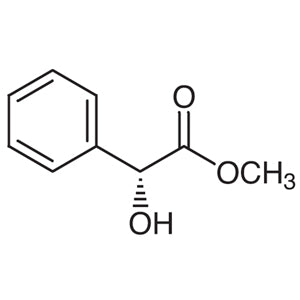
MethylD-(-)-Mandelate TCI M1349
Regular price From Rp 505.050,00Regular price -
EthylD-(-)-Mandelate TCI M1344
Regular price From Rp 1.538.250,00Regular price -
EthylL-(+)-Mandelate TCI M1273
Regular price From Rp 903.000,00Regular price -
(R)-(-)-3-Chloro-1,2-propanediol TCI M0967
Regular price From Rp 1.749.300,00Regular price