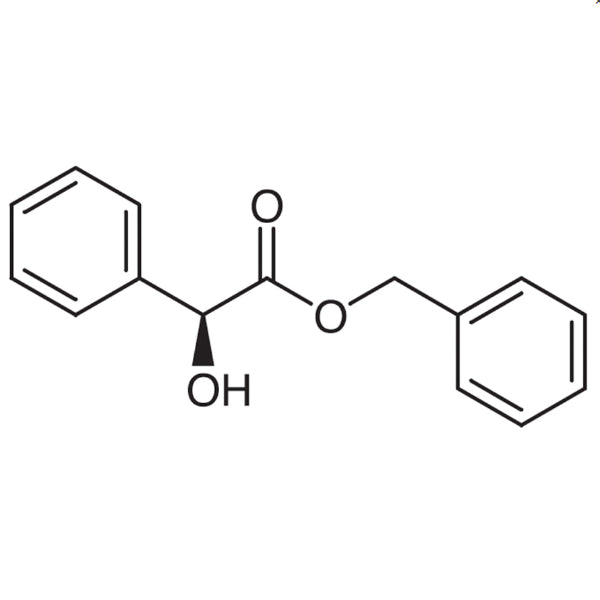
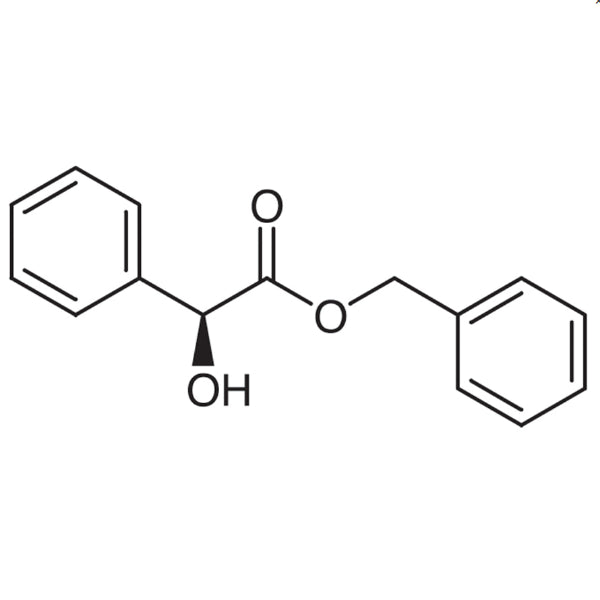
Benzyl L-(+)-Mandelate is a chiral compound widely used in asymmetric synthesis to construct molecules with specific biological activities. This material plays a crucial role in laboratories where the development of optically active compounds is essential. Its chiral nature allows for the creation of enantiomerically pure substances, which are vital in pharmaceutical and biochemical research. As a chiral building block, it contributes to the synthesis of complex organic molecules with precise stereochemistry.
The compound's stability and compatibility with various chemical reactions make it a preferred choice for researchers. It is particularly useful in asymmetric reactions and substitution processes, where maintaining stereochemical integrity is critical. Its ability to influence the stereochemistry of target molecules makes it a valuable tool in the synthesis of drugs and bioactive compounds. The compound's consistent performance and predictable behavior in chemical reactions further enhance its reliability in laboratory settings.
In Indonesian laboratories, Benzyl L-(+)-Mandelate is commonly used in scientific research, including drug development, organic compound analysis, and molecular reactivity studies. It is a key component in experiments that require precise control over stereochemistry. Many research institutions and universities in Indonesia rely on this compound as a fundamental reagent for advanced chemical synthesis and analytical procedures.
- Asymmetric Synthesis: This compound is ideal for creating enantiomerically pure molecules, essential in pharmaceutical research for developing drugs with specific biological activities.
- Organic Compound Analysis: Its chiral nature makes it useful for studying the optical properties and stereochemistry of organic compounds in analytical chemistry.
- Drug Development: It is frequently used in the synthesis of bioactive compounds, supporting the creation of new pharmaceutical agents with targeted therapeutic effects.
- Molecular Reactivity Studies: Its role in asymmetric reactions allows researchers to investigate how stereochemistry influences molecular reactivity and functional behavior.
- Biochemical Research: It contributes to the development of chiral compounds used in biochemical processes, aiding in the study of enzyme interactions and receptor binding.
| Brand | TCI |
|---|---|
| CAS number | 62173-99-3 |
| Molecular formula | — |
| Purity | — |
| Category | Chemistry > Asymmetric Synthesis > Chiral Building Blocks |
| Pack sizes | Available in standard laboratory quantities as per supplier specifications |
| Physical form | Solid, crystalline appearance |
| Storage | Store in a cool, dry place away from light and moisture |
Benzyl L-(+)-Mandelate should be stored in a cool, dry environment to maintain its chemical stability. It is recommended to keep the compound in airtight containers to prevent exposure to moisture and air, which could affect its integrity. Laboratory personnel should handle the compound with care, using appropriate personal protective equipment such as gloves and safety goggles. It is important to ensure that storage conditions are consistent and free from contaminants. The compound should be kept away from incompatible materials to avoid any potential chemical reactions. Proper labeling of storage containers is essential for safe handling and easy identification.
—
Produk Terkait
-
BenzylD-(-)-Mandelate TCI M1354
Regular price From Rp 505.050,00Regular price -
Methyl2-Chloro-L-mandelate TCI M2383
Regular price Rp 1.749.300,00Regular price -
Methyl2-Chloro-D-mandelate TCI M2382
Regular price From Rp 1.644.300,00Regular price -
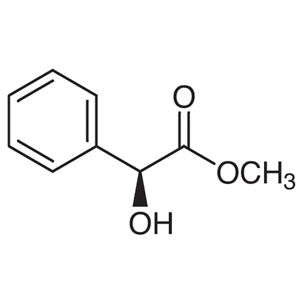
MethylL-(+)-Mandelate TCI M1350
Regular price From Rp 477.750,00Regular price -
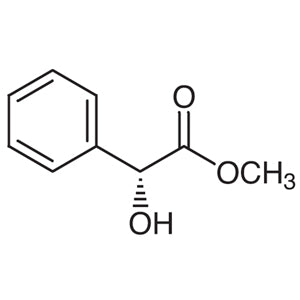
MethylD-(-)-Mandelate TCI M1349
Regular price From Rp 505.050,00Regular price -
EthylD-(-)-Mandelate TCI M1344
Regular price From Rp 1.538.250,00Regular price -
EthylL-(+)-Mandelate TCI M1273
Regular price From Rp 903.000,00Regular price -
BenzylDL-Mandelate TCI M0711
Regular price From Rp 1.696.800,00Regular price