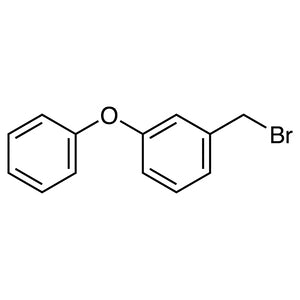
2-Phenoxybenzaldehyde from TCI is an aromatic aldehyde with a phenoxy group in the ortho position relative to the formyl group. A diaryl ether linkage joins its two benzene rings, which makes it a useful non-heterocyclic building block for organic synthesis. Laboratories use it as a starting material for molecules built on a diphenyl ether framework. This structural motif appears in many pharmaceutical compounds, agrochemicals and organic materials, so the compound is a practical intermediate for both academic and industrial synthetic work.
Chemists value this compound because it pairs a reactive aldehyde group with a phenoxy group directly next to it in the ortho position. The aldehyde can undergo condensation, reductive amination, olefination, Grignard addition, oxidation and reduction, so one starting material can lead to many different products. Because the phenoxy ring sits close to the formyl group, intramolecular cyclisation reactions are also possible. These can form three-ring systems such as xanthene or dibenzoxepine frameworks. This makes the compound useful both for synthesising specific target molecules and for exploring new reaction methods.
In Indonesian laboratories, 2-phenoxybenzaldehyde is especially useful to research groups in organic chemistry, medicinal chemistry and natural product chemistry. University research teams can use it to prepare diphenyl ether derivatives and fused tricyclic scaffolds for structure–activity studies. Graduate students working on synthetic methodology may find it a convenient model substrate for cyclisation or carbonyl-functionalisation reactions. Industrial R&D laboratories that develop pharmaceutical or agrochemical intermediates can also benefit from a TCI-branded building block with consistent quality.
- Synthesis of diphenyl ether derivatives: The existing diaryl ether linkage lets chemists add the diphenyl ether motif to target molecules directly, without first having to build the ether bond themselves.
- Reductive amination and amine synthesis: The reactive aldehyde group combines readily with primary or secondary amines, giving a straightforward route to substituted benzylamines that carry an ortho-phenoxy substituent.
- Olefination and carbon–carbon bond formation: The formyl group works in olefination and Grignard reactions, so researchers can extend the carbon chain while keeping the phenoxy aromatic framework intact.
- Intramolecular cyclisation to tricyclic systems: Because the phenoxy ring sits next to the formyl group, intramolecular ring closure can produce xanthene or dibenzoxepine scaffolds for medicinal chemistry studies.
- Development of new reaction methods: Its well-defined, versatile functional groups make it a suitable model substrate for testing new condensation, oxidation, reduction or cyclisation methods in academic research.
| Brand | TCI (product code P2475) |
|---|---|
| CAS number | 19434-34-5 |
| Molecular formula | — |
| Purity | — |
| Category | Chemistry > Building Blocks > Non-Heterocyclic Building Blocks |
| Pack sizes | as listed for TCI product P2475 on the product page |
| Physical form | refer to the TCI Certificate of Analysis and Safety Data Sheet |
| Storage | follow the conditions stated on the product label and SDS |
Keep 2-phenoxybenzaldehyde in its original tightly closed container, in a cool, dry and well-ventilated place away from direct sunlight, heat sources and strong oxidising agents. Aldehydes can slowly oxidise when exposed to air, so reseal the container promptly after each use. Where the SDS recommends it, consider storing the compound under an inert atmosphere. Handle it in a fume hood and wear suitable personal protective equipment, including nitrile gloves, safety goggles and a laboratory coat. Avoid breathing vapours and avoid contact with skin and eyes. Always read the TCI Safety Data Sheet before use, and dispose of waste according to institutional and local regulations.
—
Produk Terkait
-
4-Phenoxybenzaldehyde TCI P1333
Regular price From Rp 1.829.100,00Regular price -
3-Phenoxybenzaldehyde TCI P0960
Regular price From Rp 1.908.900,00Regular price -
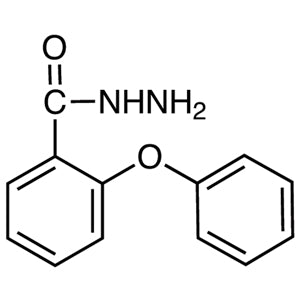
2-Phenoxybenzohydrazide TCI P2357
Regular price From Rp 1.458.450,00Regular price -
4-Phenoxybenzophenone TCI P1328
Regular price Rp 2.016.000,00Regular price -
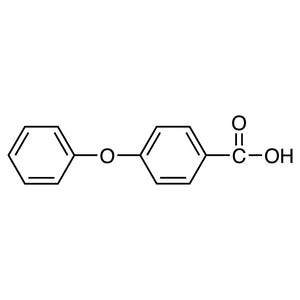
4-PhenoxybenzoicAcid TCI P1256
Regular price From Rp 823.200,00Regular price -
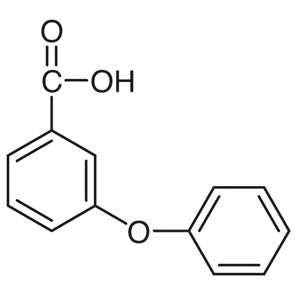
3-PhenoxybenzoicAcid TCI P1253
Regular price From Rp 1.353.450,00Regular price -
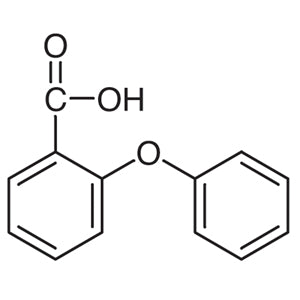
2-PhenoxybenzoicAcid TCI P1252
Regular price From Rp 1.644.300,00Regular price -
1-(Bromomethyl)-3-phenoxybenzene TCI P2948
Regular price From Rp 3.155.250,00Regular price