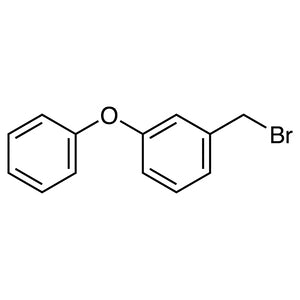
3-Phenoxybenzaldehyde is a chemical compound widely used in organic reactions for the synthesis of complex molecules. As a key building block in chemical laboratories, it serves as a fundamental component in the creation of aromatic and heterocyclic compounds. Its aromatic aldehyde structure enables various substitution and reaction mechanisms essential for organic synthesis. This compound plays a crucial role in the development of new chemical entities by providing a versatile platform for chemical modifications.
The compound is valued for its chemical stability under controlled conditions, making it a reliable reagent in laboratory settings. However, it is sensitive to environmental factors such as moisture and light, requiring careful handling and storage. Its complex molecular structure allows it to participate in a range of reactions, including condensation, reduction, and substitution. These properties make it a preferred choice for researchers aiming to design and synthesize specific chemical structures.
In Indonesian laboratories, 3-Phenoxybenzaldehyde is commonly used by chemists, students, and pharmaceutical industries for research and development purposes. It is particularly relevant in the study of bioactive compounds and industrial chemicals. Its application spans across various scientific disciplines, supporting innovation and discovery in chemical synthesis and related fields.
- Organic synthesis research: This compound is ideal for synthesizing complex aromatic and heterocyclic compounds due to its reactive aldehyde group and phenolic substituent.
- Pharmaceutical development: It is used in the creation of bioactive molecules and drug candidates, supporting the design of new therapeutic agents.
- Academic research: Students and researchers use it to explore reaction mechanisms and chemical transformations in organic chemistry.
- Industrial chemical production: It serves as a building block for the synthesis of various industrial chemicals and specialty products.
- Analytical chemistry: It is employed as a standard or reagent in analytical procedures to test and characterize other compounds.
| Brand | TCI |
|---|---|
| CAS number | 39515-51-0 |
| Molecular formula | — |
| Purity | — |
| Category | Chemistry > Building Blocks > Non-Heterocyclic Building Blocks |
| Pack sizes | Available in various quantities as per supplier specifications |
| Physical form | Liquid or crystalline, depending on the batch |
| Storage | Store in a cool, dark place away from moisture and direct light |
3-Phenoxybenzaldehyde should be stored in a cool, dark environment to prevent degradation due to light exposure. It is recommended to keep the compound in a sealed container to minimize moisture contact, which can affect its stability. Suitable storage containers include glass or high-density polyethylene vessels with tight-fitting lids. In laboratory settings, it should be handled in a well-ventilated area to avoid inhalation of vapors. Proper personal protective equipment, such as gloves and safety goggles, should be worn when handling this compound. Due to its sensitivity, it is important to maintain controlled storage conditions to ensure its effectiveness and safety in chemical processes.
—
Produk Terkait
-
2-Phenoxybenzaldehyde TCI P2475
Regular price From Rp 1.326.150,00Regular price -
4-Phenoxybenzaldehyde TCI P1333
Regular price From Rp 1.829.100,00Regular price -
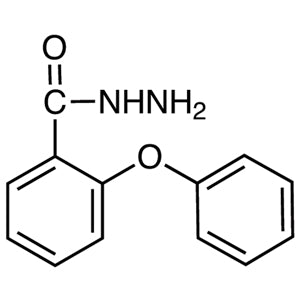
2-Phenoxybenzohydrazide TCI P2357
Regular price From Rp 1.458.450,00Regular price -
4-Phenoxybenzophenone TCI P1328
Regular price Rp 2.016.000,00Regular price -
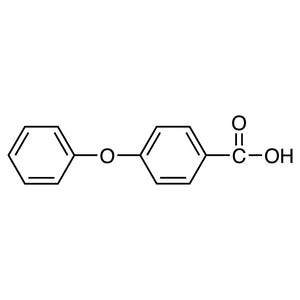
4-PhenoxybenzoicAcid TCI P1256
Regular price From Rp 823.200,00Regular price -
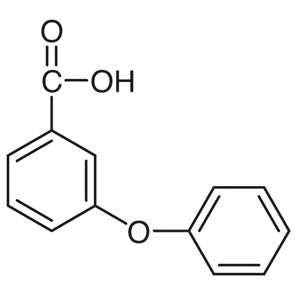
3-PhenoxybenzoicAcid TCI P1253
Regular price From Rp 1.353.450,00Regular price -
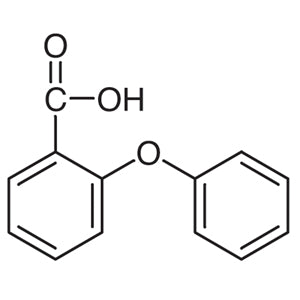
2-PhenoxybenzoicAcid TCI P1252
Regular price From Rp 1.644.300,00Regular price -
1-(Bromomethyl)-3-phenoxybenzene TCI P2948
Regular price From Rp 3.155.250,00Regular price