1-(Bromomethyl)-3-phenoxybenzene is a chemical compound widely used as a building block in the synthesis of complex organic compounds. It plays a crucial role in laboratory settings, particularly in organic chemistry research, where it serves as a versatile intermediate. This compound is commonly employed in substitution reactions, chain coupling, and the formation of heterocyclic structures. Its unique molecular structure, featuring a bromomethyl group and a phenoxy group, allows for a wide range of chemical transformations, making it an essential tool for chemists working on synthetic pathways.
The compound's chemical properties, including its reactivity and functional group versatility, make it a preferred choice in both academic and industrial research. Its ability to participate in nucleophilic, electrophilic, and substitution reactions enhances its utility in developing new compounds and exploring molecular reactivity. The presence of both bromomethyl and phenoxy groups provides multiple sites for chemical modification, enabling researchers to tailor its behavior for specific applications. This adaptability contributes to its widespread use in the field of organic chemistry.
In Indonesian laboratories, 1-(Bromomethyl)-3-phenoxybenzene is extensively utilized in both fundamental and applied chemical research. It is commonly found in academic institutions and research centers where scientists investigate organic reactivity and develop new synthetic methodologies. Its role in the synthesis of heterocyclic compounds, particularly in drug development, underscores its importance in the scientific community. The compound's reliability and effectiveness make it a key component in many experimental protocols.
- Synthesis of heterocyclic compounds for pharmaceutical development due to its reactive functional groups and structural versatility.
- Organic reaction studies involving nucleophilic and electrophilic substitution reactions because of its bromomethyl and phenoxy groups.
- Development of new chemical compounds through chain coupling and molecular modification due to its adaptability in synthetic pathways.
- Research on molecular reactivity and chemical behavior in academic and industrial laboratories due to its well-defined structure and predictable reactivity.
- Drug discovery and formulation processes where heterocyclic structures are essential for biological activity and therapeutic applications.
| Brand | TCI |
|---|---|
| CAS number | 51632-16-7 |
| Molecular formula | — |
| Purity | — |
| Category | Chemistry > Building Blocks > Non-Heterocyclic Building Blocks |
| Pack sizes | Available in various quantities as per supplier specifications |
| Physical form | Liquid or solid, depending on the specific product variant |
| Storage | Store in a cool, dry place away from direct sunlight and incompatible materials |
This compound should be stored in a cool, dry environment, away from direct sunlight and sources of heat. It is recommended to use airtight containers made of materials compatible with its chemical nature, such as glass or high-density polyethylene. Proper ventilation is essential when handling the compound to minimize exposure to vapors. Laboratory personnel should wear appropriate personal protective equipment, including gloves, goggles, and a lab coat, to ensure safety during handling. The compound should not be stored near incompatible substances such as strong oxidizers or acids. Regular monitoring of storage conditions is advised to maintain the integrity and stability of the material.
—
Produk Terkait
-
1-Methyl-4-phenoxybenzene TCI M3776
Regular price From Rp 980.700,00Regular price -
1-Methoxy-4-phenoxybenzene TCI M3535
Regular price From Rp 2.279.550,00Regular price -
4,4'-Oxybis(phenoxybenzene) TCI D5832
Regular price From Rp 2.730.000,00Regular price -
1-Bromo-3-phenoxybenzene TCI B6471
Regular price From Rp 2.386.650,00Regular price -
1-Bromo-2-phenoxybenzene TCI B6454
Regular price Rp 3.976.350,00Regular price -
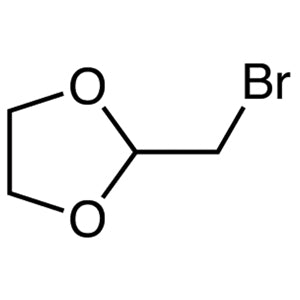
2-Bromomethyl-1,3-dioxolane TCI B1152
Regular price From Rp 1.696.800,00Regular price -
5-(Bromomethyl)-1,2,3-trimethoxybenzene TCI T4215
Regular price Rp 3.419.850,00Regular price -
2-(Bromomethyl)-2-(hydroxymethyl)-1,3-propanediol TCI B4057
Regular price From Rp 1.644.300,00Regular price