
![2754428-18-5 2-[(4-Methylpentan-2-yl)amino]-5-(phenylamino)cyclohexa-2,5-diene-1,4-dione - AMI Scientific](http://amiscientific.com/cdn/shop/files/TCI2510P3373.jpg?v=1767137436&width=1946)
![2754428-18-5 2-[(4-Methylpentan-2-yl)amino]-5-(phenylamino)cyclohexa-2,5-diene-1,4-dione - AMI Scientific](http://amiscientific.com/cdn/shop/files/TCI2510P3373.jpg?v=1767137436&width=1445)
TCI P3373, 2-[(4-Methylpentan-2-yl)amino]-5-(phenylamino)cyclohexa-2,5-diene-1,4-dione, is a bioactive compound built on a 1,4-benzoquinone scaffold that carries two amino substituents: a branched alkylamino group and a phenylamino group. It belongs to the research biochemicals category, and scientists use it to study the biological activity of small molecules in experimental systems. The product is for research use only. It is not intended for diagnosis, therapy, or human consumption.
The aminoquinone scaffold is a well-known redox-active motif. Quinones can accept and donate electrons, and they can interact with nucleophilic groups on proteins. Because of this, quinone derivatives are often studied in research on enzyme modulation, oxidative stress, and cellular signaling pathways. In this molecule, the branched alkyl substituent and the phenyl substituent together affect its lipophilicity and how it interacts with biological targets. The 10mg and 100mg pack sizes let researchers begin with preliminary assays and then move on to broader studies without buying more material than they need.
In Indonesia, bioactive compounds like this one are relevant to pharmacology, cell biology, and medicinal chemistry laboratories that carry out compound screening or mechanism-of-action studies. University research groups, government research institutes, and industrial R&D teams can use it to explore structure-activity relationships among quinone derivatives, or as a reference compound in experiments on redox-related biological processes. Having it available through a local laboratory supplier makes it easier to plan exploratory work.
- Small-molecule bioactivity screening: the compound's aminoquinone scaffold makes it a suitable candidate for exploratory screens that look at how redox-active small molecules affect biological systems.
- Enzyme modulation research: quinones can interact with nucleophilic groups on proteins, so this compound fits studies of how quinone derivatives influence enzyme function.
- Oxidative stress studies: because quinones accept and donate electrons, this compound can help researchers examine redox processes and oxidative stress responses in experimental cell models.
- Cellular signaling pathway research: quinone derivatives are commonly studied for their effects on signaling, which makes this compound useful for mechanism-focused work in cell biology laboratories.
- Structure-activity relationship studies in medicinal chemistry: its combination of branched alkylamino and phenylamino substituents lets researchers compare how lipophilicity and substitution pattern affect target interaction.
| Brand | TCI (product code P3373) |
|---|---|
| CAS number | 2754428-18-5 |
| Molecular formula | — |
| Purity | — |
| Category | Life Science > Biochemicals and Reagents > Bioactive Compounds |
| Pack sizes | 10mg and 100mg |
| Physical form | refer to the manufacturer's product documentation |
| Storage | follow the conditions on the product label and the TCI Safety Data Sheet |
Store this compound according to the conditions on the product label and in the manufacturer's Safety Data Sheet. Keep it in its original tightly closed container, in a cool, dry place away from direct light and incompatible materials. Quinone compounds are redox-active, so limit unnecessary exposure to air and moisture. Handle the material in a well-ventilated area or a fume hood, and wear suitable personal protective equipment such as gloves, safety glasses, and a lab coat. Avoid inhaling dust and avoid contact with skin and eyes. Dispose of waste in line with institutional and local chemical waste regulations. This product is for research use only.
—
Produk Terkait
-
2,3,5,6-Tetraaminocyclohexa-2,5-diene-1,4-dione TCI T4344
Regular price From Rp 2.889.600,00Regular price -
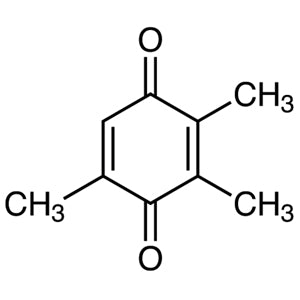
2,3,5-Trimethylcyclohexa-2,5-diene-1,4-dione TCI T3768
Regular price Rp 3.949.050,00Regular price -
Pregna-4,6-diene-3,20-dione TCI P2623
Regular price From Rp 2.889.600,00Regular price -
Estra-4,9-diene-3,17-dione TCI E0920
Regular price From Rp 1.829.100,00Regular price -
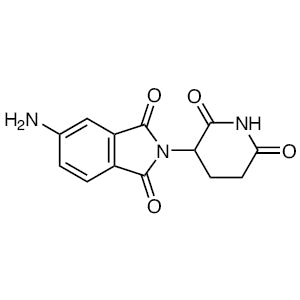
5-Amino-2-(2,6-dioxopiperidin-3-yl)isoindoline-1,3-dione TCI A3455
Regular price From Rp 2.386.650,00Regular price -
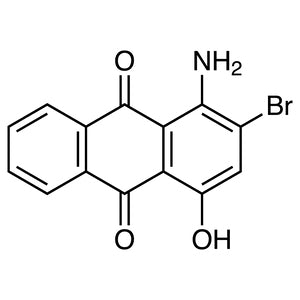
1-Amino-2-bromo-4-hydroxyanthracene-9,10-dione TCI A1082
Regular price Rp 795.900,00Regular price -
3-(5-Amino-1-oxoisoindolin-2-yl)piperidine-2,6-dione TCI C4018
Regular price Rp 7.234.500,00Regular price -
4-[3-Chloro-4-(3-fluorobenzyloxy)phenylamino]-6-iodoquinazoline TCI C2965
Regular price From Rp 743.400,00Regular price




![4-[3-Chloro-4-(3-fluorobenzyloxy)phenylamino]-6-iodoquinazoline (CAS 231278-20-9) - TCI C2965 - AMI Scientific](http://amiscientific.com/cdn/shop/files/TCI2510C2965.jpg?v=1767099034&width=533)