5-Amino-2-(2,6-dioxopiperidin-3-yl)isoindoline-1,3-dione is a chemical compound widely used in pharmaceutical research and drug development. This compound plays a crucial role in laboratory settings, particularly in the study of protein interactions and the design of novel therapeutic agents. Its complex molecular structure enables it to interact with specific protein targets, making it an essential tool for researchers working on proteolysis targeting chimera (PROTAC) technology. As a research reagent, it supports the development of targeted therapies by facilitating the identification of key molecular interactions.
The compound is favored for its chemical stability and ability to form specific interactions with target proteins. These properties make it a reliable choice for use in various experimental conditions, including those requiring controlled chemical environments. Its structural versatility allows for chemical modifications, enabling researchers to tailor its properties to suit specific experimental needs. This adaptability enhances its utility in both basic and applied research.
In Indonesian laboratories, this compound is commonly used in academic and research institutions focused on drug discovery and pharmacological studies. It serves as a key reagent in the synthesis of bioactive compounds and in the investigation of molecular mechanisms underlying disease processes. Its relevance in local research underscores its importance in advancing scientific innovation in the region.
Related TCI products
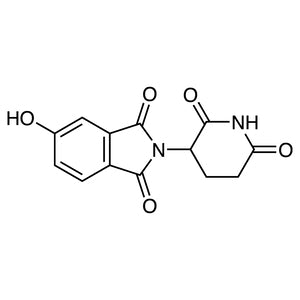
- TCI D6178 64567-60-8 2-(2,6-Dioxopiperidin-3-yl)-5-hydroxyisoindoline-1,3-dione
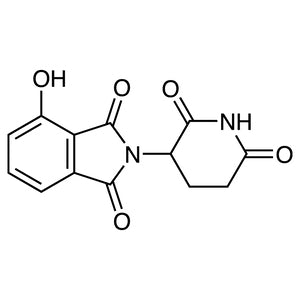
- TCI D6134 5054-59-1 2-(2,6-Dioxopiperidin-3-yl)-4-hydroxyisoindoline-1,3-dione
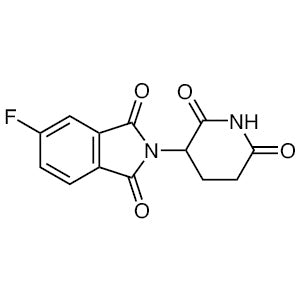
- TCI D5969 835616-61-0 2-(2,6-Dioxopiperidin-3-yl)-5-fluoroisoindoline-1,3-dione
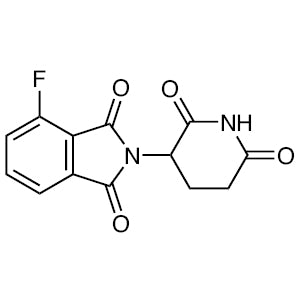
- TCI D5968 835616-60-9 2-(2,6-Dioxopiperidin-3-yl)-4-fluoroisoindoline-1,3-dione
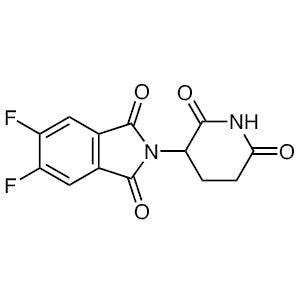
- TCI D5967 1496997-41-1 2-(2,6-Dioxopiperidin-3-yl)-5,6-difluoroisoindoline-1,3-dione
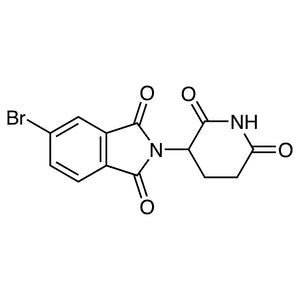
- TCI B6550 26166-92-7 5-Bromo-2-(2,6-dioxopiperidin-3-yl)isoindoline-1,3-dione
- Used in PROTAC-based drug discovery research due to its ability to facilitate targeted protein degradation through specific molecular interactions.
- Applied in pharmacological studies to investigate the mechanisms of action of therapeutic agents and their interactions with biological targets.
- Utilized in the synthesis of bioactive compounds as a building block for the development of novel pharmaceuticals.
- Employed in biochemical assays to analyze protein-ligand interactions and assess the efficacy of potential drug candidates.
- Integrated into research projects focused on molecular biology and drug development to support the design of targeted therapies.
| Brand | TCI |
|---|---|
| CAS number | 191732-76-0 |
| Molecular formula | — |
| Purity | — |
| Category | Chemistry > Pharmaceutical Development and Drug Discovery Research Reagents > Proteolysis Targeting Chimera Research Reagents |
| Pack sizes | Available in various quantities as per standard reagent packaging |
| Physical form | Solid (as per standard chemical reagent form) |
| Storage | Store in a cool, dry place away from light and moisture |
This compound should be stored in a cool, dry environment, away from direct light and moisture to maintain its chemical stability. It is recommended to use airtight containers to prevent exposure to air and humidity, which could affect its integrity. In laboratory settings, it should be handled with appropriate personal protective equipment, including gloves and safety goggles, to ensure safety during use. The compound is generally stable under standard storage conditions but should be kept in a secure location to prevent accidental exposure. Proper labeling of containers is essential to ensure safe handling and storage. Regular monitoring of storage conditions is advised to maintain the compound's effectiveness for research applications.
—
Produk Terkait
-
2-(2,6-Dioxopiperidin-3-yl)-5-hydroxyisoindoline-1,3-dione TCI D6178
Regular price From Rp 1.988.700,00Regular priceRp 1.405.950,00Sale price From Rp 1.988.700,00 -
2-(2,6-Dioxopiperidin-3-yl)-4-hydroxyisoindoline-1,3-dione TCI D6134
Regular price From Rp 2.464.350,00Regular priceRp 1.738.800,00Sale price From Rp 2.464.350,00 -
2-(2,6-Dioxopiperidin-3-yl)-5-fluoroisoindoline-1,3-dione TCI D5969
Regular price Rp 2.862.300,00Regular priceRp 2.017.050,00Sale price Rp 2.862.300,00 -
2-(2,6-Dioxopiperidin-3-yl)-4-fluoroisoindoline-1,3-dione TCI D5968
Regular price From Rp 2.199.750,00Regular priceRp 1.554.000,00Sale price From Rp 2.199.750,00 -
2-(2,6-Dioxopiperidin-3-yl)-5,6-difluoroisoindoline-1,3-dione TCI D5967
Regular price From Rp 2.411.850,00Regular priceRp 1.702.050,00Sale price From Rp 2.411.850,00 -
5-Bromo-2-(2,6-dioxopiperidin-3-yl)isoindoline-1,3-dione TCI B6550
Regular price From Rp 1.881.600,00Regular priceRp 1.331.400,00Sale price From Rp 1.881.600,00 -
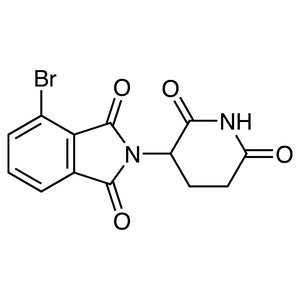
4-Bromo-2-(2,6-dioxopiperidin-3-yl)isoindoline-1,3-dione TCI B6527
Regular price From Rp 3.922.800,00Regular priceRp 2.758.350,00Sale price From Rp 3.922.800,00 -
3-(5-Amino-1-oxoisoindolin-2-yl)piperidine-2,6-dione TCI C4018
Regular price Rp 7.287.000,00Regular priceRp 5.111.400,00Sale price Rp 7.287.000,00