

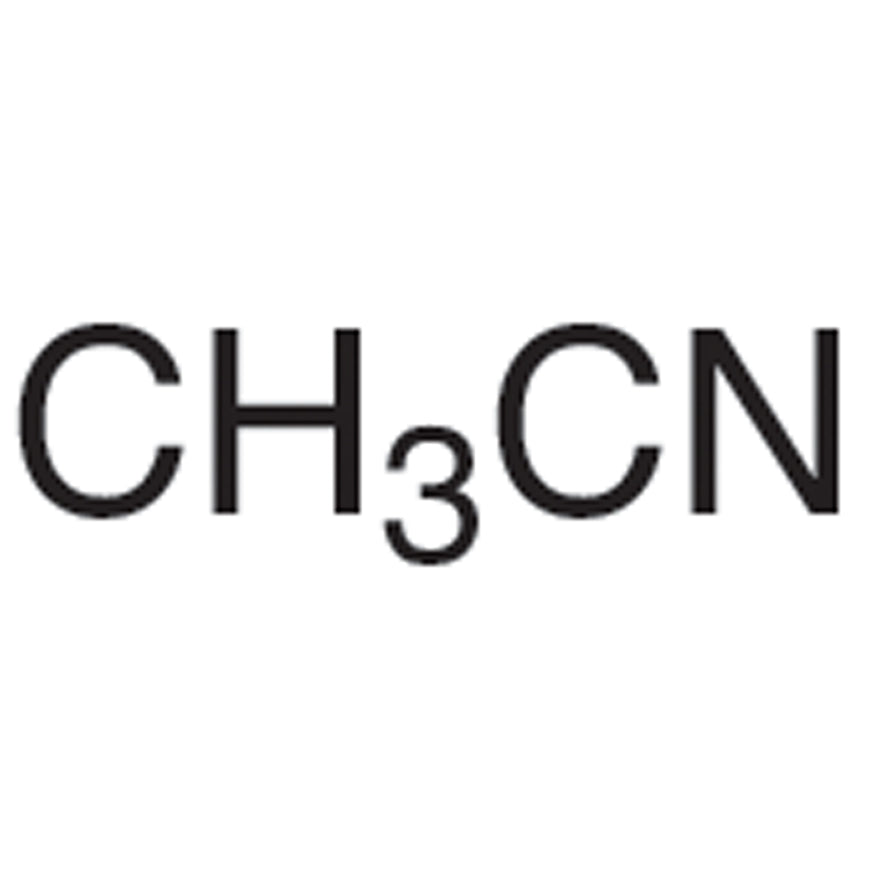
Acetonitrile is a versatile organic compound widely used in various scientific fields, particularly in chemical laboratories. As a solvent, it is capable of dissolving a wide range of organic and inorganic substances, making it an essential component in synthesis, analysis, and isolation processes. Its unique chemical properties allow it to be employed in chromatographic analysis, organic compound synthesis, and chemical component separation. Due to its polar and volatile nature, acetonitrile is also utilized in industrial and research applications. It exhibits chemical stability under specific conditions, though it requires careful handling due to its potential toxicity and flammability.
Acetonitrile’s ability to dissolve in both water and organic solvents makes it highly adaptable for different experimental setups. Its high boiling point ensures it remains stable during heating processes commonly used in laboratory settings. The compound’s polarity allows it to interact effectively with a variety of substances, enhancing its utility in analytical procedures. Its solvating power and chemical inertness under controlled conditions contribute to its popularity among chemists and researchers. These properties make it a preferred choice for applications requiring precise and reliable solvent performance.
In Indonesian laboratories, acetonitrile is regularly used in chemical research, qualitative and quantitative analysis, and the development of chemical products. It is a key reagent in the formulation of various chemical compounds and is essential for maintaining the accuracy and efficiency of laboratory procedures. Its widespread use underscores its importance in both academic and industrial research environments in Indonesia.
Related TCI products
- TCI T4424 2314-97-8 Trifluoroiodomethane (ca 10% in Acetonitrile, ca 04mol/L)
- TCI T3905 58452-28-1 Tetrakis(acetonitrile)copper(I) Trifluoromethanesulfonate
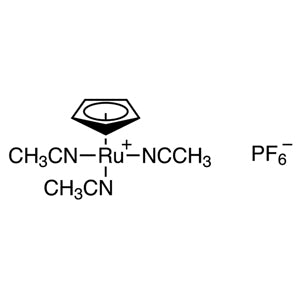
- TCI T3079 80049-61-2 Tris(acetonitrile)cyclopentadienylruthenium(II) Hexafluorophosphate
- TCI T3023 68569-14-2 Tetrakis(acetonitrile)palladium(II) Bis(trifluoromethanesulfonate)
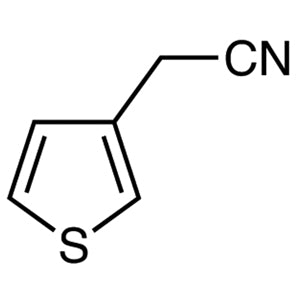
- TCI T1193 13781-53-8 Thiophene-3-acetonitrile
- TCI B2821 4414-88-4 (2-Benzimidazolyl)acetonitrile
- Chromatographic analysis benefits from acetonitrile’s polarity and solvating power, enabling efficient separation of complex mixtures.
- Organic synthesis relies on acetonitrile’s ability to dissolve a wide range of reactants, facilitating smooth reaction progress.
- Chemical isolation processes utilize acetonitrile to extract and purify compounds from reaction mixtures effectively.
- Analytical chemistry applications leverage its solubility properties to dissolve samples for accurate testing and measurement.
- Industrial research and development use acetonitrile as a solvent in the formulation of new chemical products and materials.
| Brand | TCI |
|---|---|
| CAS number | 75-05-8 |
| Molecular formula | — |
| Purity | — |
| Category | Chemistry > Solvents > Nitrile Solvents |
| Pack sizes | 25ML |
| Physical form | Liquid |
| Storage | Store in a cool, well-ventilated area away from heat and direct sunlight |
Acetonitrile should be stored in a cool, well-ventilated area, away from heat and direct sunlight. It is recommended to use sealed, non-reactive containers to prevent evaporation and contamination. Due to its flammability and potential toxicity, proper ventilation and fire safety measures should be in place during handling. Personal protective equipment such as gloves, goggles, and a lab coat should be worn when working with this substance. It is important to avoid inhalation of vapors and skin contact, ensuring safe and effective use in laboratory settings. Always follow standard safety protocols to minimize risks associated with its handling.
—
Product Categories
Produk Terkait
-
Trifluoroiodomethane(ca10%inAcetonitrile,ca04mol/L) TCI T4424
Regular price From Rp 1.776.600,00Regular price -
Tetrakis(acetonitrile)copper(I)Trifluoromethanesulfonate TCI T3905
Regular price From Rp 2.199.750,00Regular price -
Tris(acetonitrile)cyclopentadienylruthenium(II)Hexafluorophosphate TCI T3079
Regular price Rp 5.194.350,00Regular price -
Tetrakis(acetonitrile)palladium(II)Bis(trifluoromethanesulfonate) TCI T3023
Regular price Rp 3.658.200,00Regular price -
Thiophene-3-acetonitrile TCI T1193
Regular price Rp 1.881.600,00Regular price -
(2-Benzimidazolyl)acetonitrile TCI B2821
Regular price From Rp 1.035.300,00Regular price -
Bis(acetonitrile)palladium(II)Dichloride TCI B1676
Regular price Rp 2.730.000,00Regular price -
Acetonitrile[forHPLCSolvent] TCI A0793
Regular price Rp 2.757.300,00Regular price





![75-05-8 Acetonitrile [for HPLC Solvent] - AMI Scientific](http://amiscientific.com/cdn/shop/files/TCI2510A0793.jpg?v=1769141349&width=533)