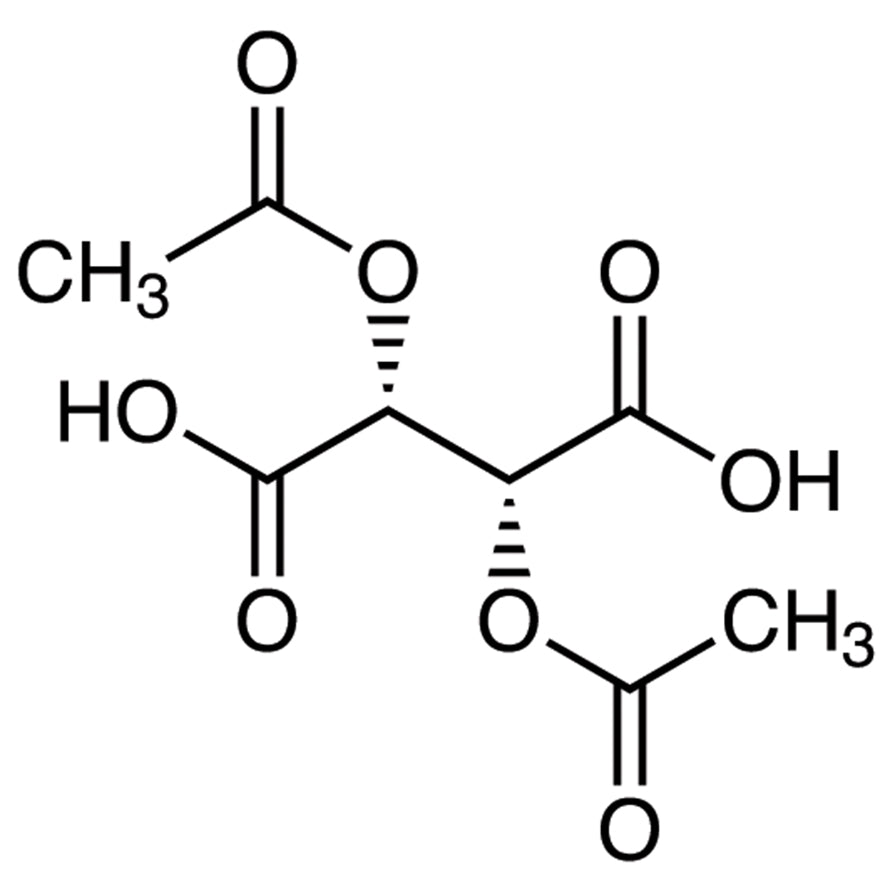
(-)-Diacetyl-L-tartaric Acid, CAS number 51591-38-9, is a derivative of L-tartaric acid in which both hydroxyl groups have been acetylated, producing a chiral dicarboxylic compound whose carbon skeleton retains the original configuration inherited from its natural source. In organic synthesis laboratories, this compound serves as a chiral building block and as an auxiliary agent in the separation of enantiomers. The presence of two clearly defined stereogenic centres makes it a dependable reference point whenever researchers need to transfer stereochemical information from an inexpensive, widely available starting material into a far more complex target molecule.
The characteristics that make this material a frequent choice are the combination of the rigidity of the tartrate skeleton, the presence of two free carboxylic acid groups, and the acetyl groups that protect the secondary hydroxyls. The carboxylic acid groups allow the formation of diastereomeric salts with organic bases such as racemic amines, while the acetyl groups lower the polarity and alter the solubility profile, so that solubility differences between the diastereomers become easier to exploit during crystallisation. The compound is also known as a precursor for the preparation of tartaric anhydride derivatives.
In Indonesian laboratories, this reagent is typically encountered in university and institutional organic synthesis groups, in pharmaceutical research units working on single-enantiomer active ingredients, and in analytical development work where enantiomeric purity has to be established. It is generally handled at bench scale within fume hoods during resolution and derivatisation work, and is ordered as a research-grade reagent alongside the solvents and organic bases used in the accompanying crystallisation steps.
- Resolution of racemic amines — the two free carboxylic acid groups form diastereomeric salts with basic racemates, and the differing solubility of those salts allows the enantiomers to be separated by crystallisation.
- Chiral building block in asymmetric synthesis — the defined stereogenic centres of the tartrate backbone transfer stereochemical information from an inexpensive natural starting material into structurally more complex target molecules.
- Preparation of tartaric anhydride derivatives — the compound is recognised as a precursor in this route, giving synthesis groups access to further acylating and derivatising reagents from a single starting material.
- Derivatisation for enantiomeric purity work — the rigid, stereochemically defined framework provides a reliable reference structure when analytical laboratories need to distinguish and characterise enantiomeric species.
- Crystallisation and solubility optimisation studies — the acetyl protection of the secondary hydroxyls lowers polarity and shifts solubility behaviour, making it useful for developing and tuning diastereomeric crystallisation conditions.
| Brand | TCI (catalogue reference D1386) |
|---|---|
| CAS number | 51591-38-9 |
| Molecular formula | — |
| Purity | — |
| Category | Chemistry > Asymmetric Synthesis > Chiral Building Blocks |
| Pack sizes | available in the packaging options listed by TCI for this catalogue item |
| Physical form | — |
| Storage | store as indicated on the manufacturer's label and accompanying safety data sheet |
- Chemical name: (-)-Diacetyl-L-tartaric Acid
Store the container tightly closed in a cool, dry, well-ventilated area away from direct sunlight, moisture, and sources of heat or ignition, following the conditions stated on the manufacturer's label and safety data sheet. Keep the material in its original supplier packaging or in a chemically compatible, clearly labelled container, and reseal it promptly after each use to limit moisture uptake. As an organic acid, it should be kept separate from strong bases and strong oxidising agents. Handle in a fume hood using safety glasses, gloves, and a laboratory coat, avoid generating dust, and wash hands after use. Consult the safety data sheet before first use and dispose of residues through the laboratory's chemical waste procedure.
—
Produk Terkait
-
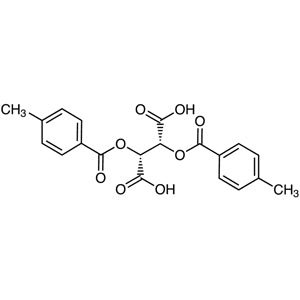
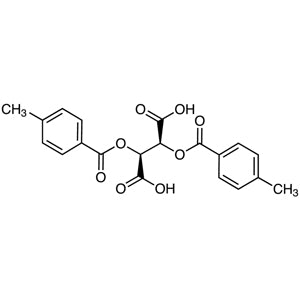
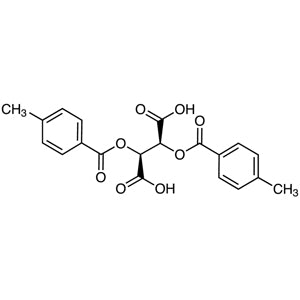
(-)-Di-p-toluoyl-L-tartaricAcid TCI D1387
Regular price From Rp 1.961.400,00Regular price -
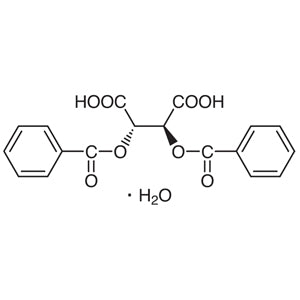
(+)-Dibenzoyl-D-tartaricAcidMonohydrate TCI D1398
Regular price From Rp 637.350,00Regular price -
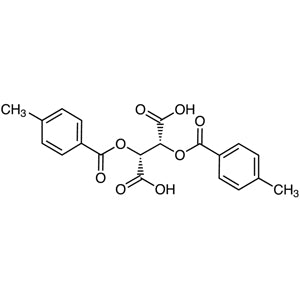
(+)-Di-p-toluoyl-D-tartaricAcid TCI D1417
Regular price From Rp 1.193.850,00Regular price -
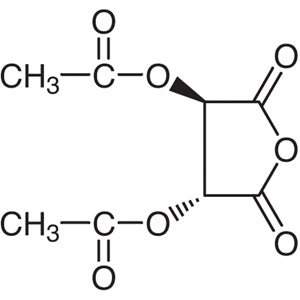
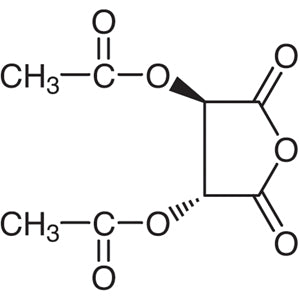
(+)-Diacetyl-L-tartaricAnhydride TCI D1911
Regular price Rp 1.220.100,00Regular price -
(+)-Diacetyl-D-tartaricAcid TCI D2636
Regular price Rp 2.625.000,00Regular price -
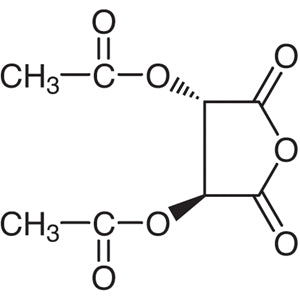
(-)-Diacetyl-D-tartaricAnhydride TCI D2645
Regular price From Rp 743.400,00Regular price -
(+)-Di-p-anisoyl-D-tartaricAcid TCI D3490
Regular price From Rp 769.650,00Regular price -
(+)-Dibenzoyl-D-tartaricAcid TCI D3826
Regular price From Rp 903.000,00Regular price