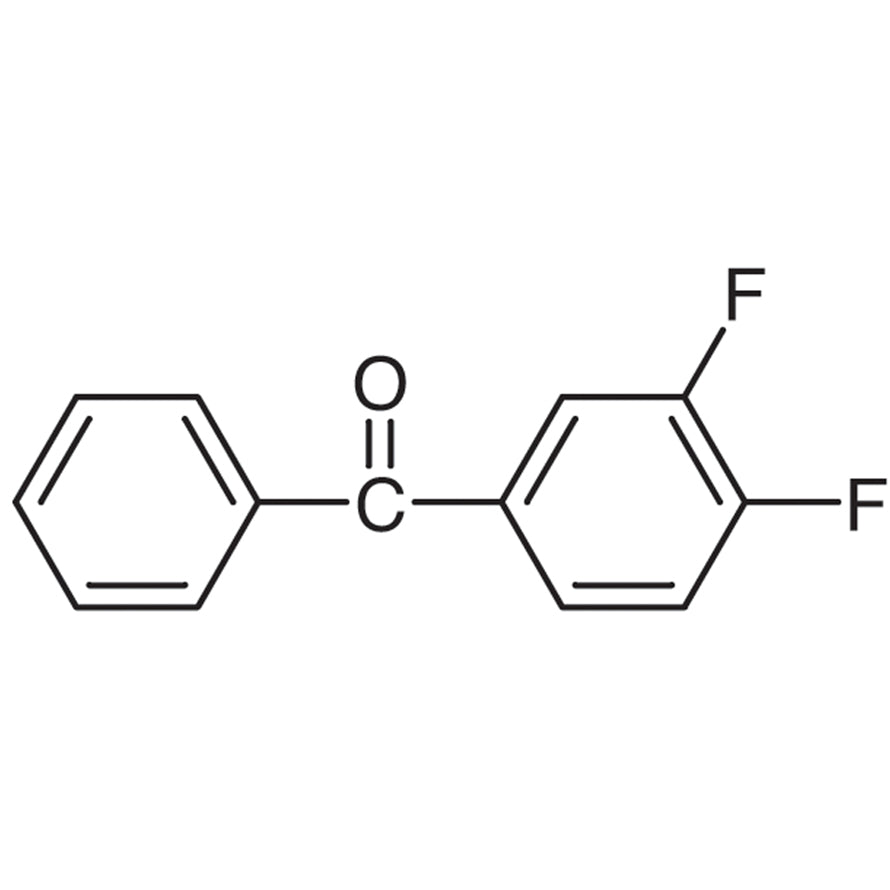
TCI D3576 3,4-Difluorobenzophenone is a fluorinated building block from TCI, an aromatic ketone carrying two fluorine atoms at the 3 and 4 positions of one of its benzene rings. The compound serves as an important bridge between classical organic chemistry and materials chemistry because it brings two kinds of reactivity at once: a carbonyl group that can be transformed further, and a fluorinated aromatic ring that is activated toward nucleophilic substitution. In the laboratory, its role is that of a monomer as well as a synthetic intermediate used to build high-performance polymers and fluorine-containing target molecules.
The property that makes it a frequent choice is the activation of the aromatic ring by the electron-withdrawing carbonyl group, which turns the fluorine atoms into good leaving groups in nucleophilic aromatic substitution reactions with phenolates and thiolates. This pathway is precisely what underpins the formation of aryl ether linkages in polymers of the polyaryl ether ketone family. In addition, the presence of fluorine improves metabolic stability and modifies the electronic character of a molecule, a trait highly valued in medicinal chemistry. The carbonyl group itself remains available for reduction or condensation.
The compound is supplied as a solid, which makes it straightforward to weigh out and handle on the bench in Indonesian laboratories. It is typically used in academic and industrial research groups working on polymer synthesis, fluorine chemistry, and medicinal chemistry, where a well-defined difluorinated ketone is needed as a starting point for step-growth polymerisation or multi-step synthesis. Because it is a catalogue building block rather than a bulk raw material, it fits research-scale and pilot-scale work.
Related TCI products
- Polyaryl ether ketone synthesis: the carbonyl-activated fluorines undergo nucleophilic aromatic substitution with bisphenolates, forming the aryl ether links that define this high-performance polymer family.
- Fluorinated monomer for step-growth polymerisation: its two reactive fluorine positions on an activated ring make it a difunctional partner for building well-defined polymer backbones.
- Medicinal chemistry intermediate: incorporating this fluorinated scaffold into target molecules improves metabolic stability and tunes electronic properties, both valued in drug discovery programmes.
- Nucleophilic aromatic substitution studies: the activated difluoroaryl ring reacts cleanly with phenolate and thiolate nucleophiles, making it a dependable substrate for methodology and mechanism work.
- Carbonyl transformation chemistry: the ketone group remains open to reduction or condensation, allowing the fluorinated aromatic core to be carried into alcohols, olefins, and related derivatives.
| Brand | TCI |
|---|---|
| CAS number | 85118-07-6 |
| Molecular formula | — |
| Purity | — |
| Category | Chemistry > Building Blocks > Fluorinated Building Blocks |
| Pack sizes | available in standard TCI research-scale catalogue pack sizes |
| Physical form | solid |
| Storage | keep in a tightly closed container in a cool, dry place away from moisture |
- Catalogue code: D3576
Store the material in its original tightly closed container in a cool, dry, well-ventilated place, protected from moisture and away from strong bases and strong oxidising agents. Glass bottles with chemically resistant closures are suitable for both storage and dispensing. Weigh and transfer the solid in a fume hood to avoid inhaling dust, and wear safety glasses, a laboratory coat, and chemically resistant gloves. Keep containers closed when not in use, label all working solutions clearly, and consult the manufacturer's safety data sheet before first use and before disposal of residues.
—
Produk Terkait
-
2,5-Difluorobenzophenone TCI D3598
Regular price Rp 769.650,00Regular price -
4,4'-Difluorobenzophenone TCI D1797
Regular price From Rp 689.850,00Regular price -
2,4'-Difluorobenzophenone TCI D1796
Regular price Rp 664.650,00Regular price -
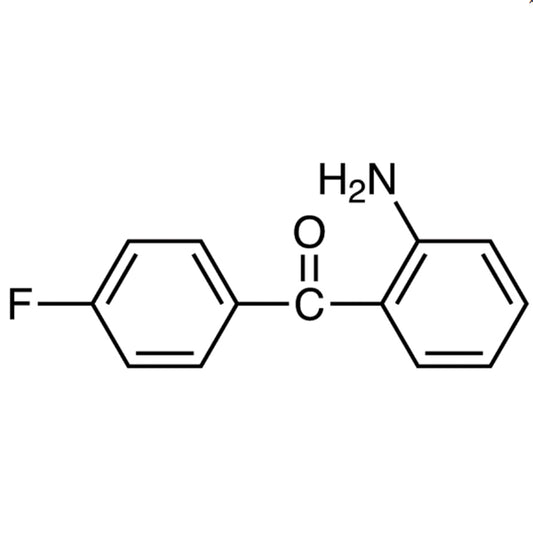
2-Amino-4'-fluorobenzophenone TCI A2760
Regular price From Rp 505.050,00Regular price -
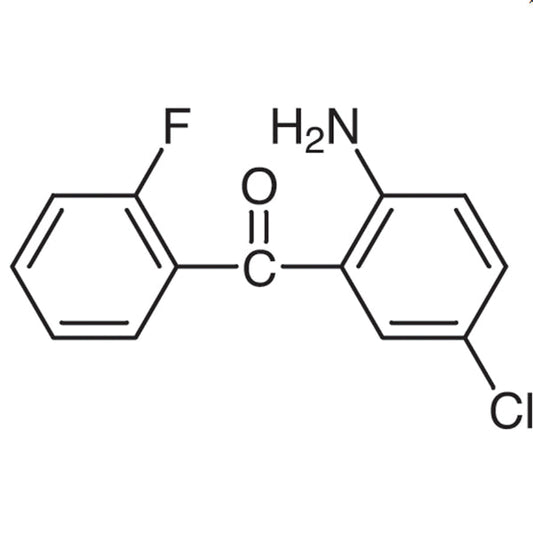
2-Amino-5-chloro-2'-fluorobenzophenone TCI A1451
Regular price Rp 1.035.300,00Regular price -
2,3,4,5,6-Pentafluorobenzophenone TCI P0924
Regular price Rp 4.399.500,00Regular price -
2-Fluorobenzophenone TCI F0397
Regular price Rp 875.700,00Regular price -
4-Fluorobenzophenone TCI F0161
Regular price From Rp 452.550,00Regular price