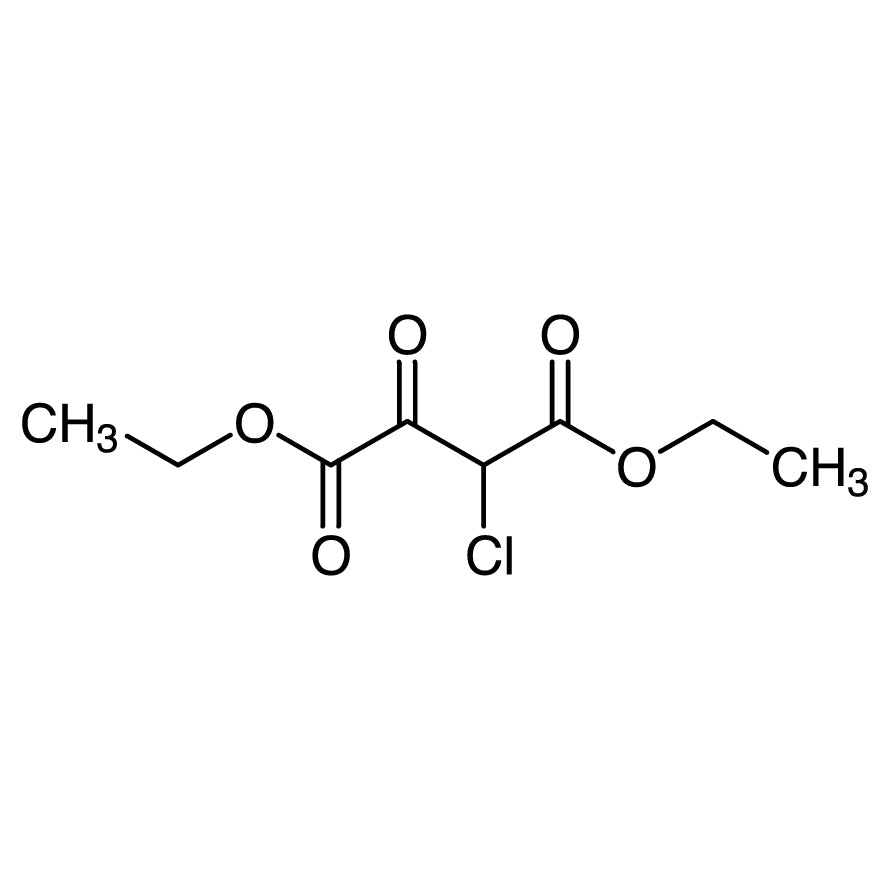
TCI D3635 Diethyl Chlorooxalacetate is the diethyl ester of oxalacetic acid carrying a chlorine atom at the alpha position. The compound belongs to the non-heterocyclic building block family and serves in the laboratory as a highly reactive, dual-function reagent. Within a single molecule it presents a keto group, two ester groups, and a chlorine atom that acts as a leaving group, which allows the compound to react with a range of nucleophiles at different points. This combination makes it a reagent of choice for chemists who want to construct heterocyclic rings or multifunctional side chains in the shortest possible number of steps.
The property that gives this compound its high value is the density of its functional groups. The chlorine atom adjacent to the carbonyl group is very readily displaced by nucleophiles, while the keto group can undergo condensation with amines, hydrazines, and active carbon compounds. The two ester groups provide points for hydrolysis, amidation, or subsequent reduction according to the requirements of the synthetic design. This high reactivity, however, also means the compound is sensitive to moisture and to bases, so working with it demands dry solvents and clean, water-free glassware.
In Indonesian laboratories the material is handled in the same way as other moisture-sensitive building blocks used in multi-step organic synthesis. Reactions are set up in dry solvents with clean, thoroughly dried glassware, and the reagent is returned promptly to sealed storage after each use so that the remaining stock keeps its reactivity. Because a single molecule offers several reaction points, chemists typically plan the sequence of transformations in advance before opening the container.
Related TCI products
- TCI O0074 40876-98-0 Diethyl Oxalacetate Sodium Salt
- TCI A0231 2049-80-1 Diethyl Allylmalonate
- TCI A0089 762-21-0 Diethyl Acetylenedicarboxylate
- TCI A0055 105-50-0 Diethyl 1,3-Acetonedicarboxylate
- TCI T1401 81172-89-6 Terephthalaldehyde Mono(diethyl Acetal)
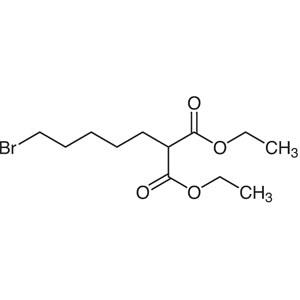
- TCI B2083 1906-95-2 Diethyl (5-Bromopentyl)malonate
- Heterocyclic ring construction: the keto group condenses with amines and hydrazines while the adjacent chlorine is displaced, closing rings in a short sequence of steps.
- Nucleophilic substitution chemistry: the chlorine atom next to the carbonyl group is very readily displaced, letting chemists introduce a chosen nucleophile at a defined position.
- Multifunctional side-chain assembly: the single molecule carries a keto group, two esters, and a leaving group, allowing several substituents to be installed without additional coupling reagents.
- Ester-based downstream derivatisation: the two ester groups provide handles for hydrolysis, amidation, or reduction, so the fragment can be adapted to the synthetic design after coupling.
- General organic synthesis as a dual-function building block: its reactivity at different points shortens routes that would otherwise require separately prepared and purified intermediates.
| Brand | TCI |
|---|---|
| CAS number | 34034-87-2 |
| Molecular formula | — |
| Purity | — |
| Category | Chemistry > Building Blocks > Non-Heterocyclic Building Blocks |
| Pack sizes | available in the packaging options offered by TCI for this catalogue item |
| Physical form | — |
| Storage | keep tightly sealed and protected from moisture |
- Product code: D3635
Store the container tightly closed in a cool, dry place, away from moisture and from any source of alkaline vapour, since the compound is sensitive to both water and bases. Keep it in the original manufacturer packaging or in a comparable well-sealed, chemically compatible container, and return it to storage immediately after dispensing. Handle the reagent in a fume hood using dry solvents and clean, thoroughly dried glassware, and wear standard laboratory personal protective equipment including gloves, safety glasses, and a laboratory coat. Avoid prolonged exposure of the open container to humid air, and label any transferred portions clearly.
—
Produk Terkait
-
DiethylOxalacetateSodiumSalt TCI O0074
Regular price Rp 980.700,00Regular price -
DiethylAllylmalonate TCI A0231
Regular price From Rp 2.068.500,00Regular price -
DiethylAcetylenedicarboxylate TCI A0089
Regular price From Rp 2.837.100,00Regular price -
Diethyl1,3-Acetonedicarboxylate TCI A0055
Regular price From Rp 1.140.300,00Regular price -
TerephthalaldehydeMono(diethylAcetal) TCI T1401
Regular price Rp 3.578.400,00Regular price -
Diethyl(5-Bromopentyl)malonate TCI B2083
Regular price From Rp 2.254.350,00Regular price -
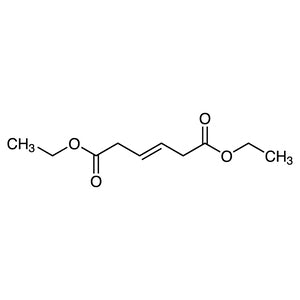
Diethyltrans-3-Hexenedioate TCI B1592
Regular price Rp 5.062.050,00Regular price -
Diethyl2,2-Bis(hydroxymethyl)malonate TCI B1492
Regular price From Rp 3.021.900,00Regular price