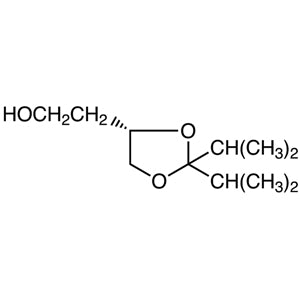
TCI D4076 (R)-4-(2-Hydroxyethyl)-2,2-diisopropyl-1,3-dioxolane is a chiral building block built around a 1,3-dioxolane ring carrying two isopropyl groups at the 2-position and a hydroxyethyl side chain at the 4-position, with a defined R configuration. Structurally, the molecule is essentially a protected form of a diol in which one primary hydroxyl group is deliberately left free for further functionalization. In the laboratory, a compound of this type serves as a practical starting point for constructing target molecules that require a single stereogenic centre whose optical purity is preserved from the earliest stage of the synthesis.
The characteristic that makes this material a preferred choice is the combination of built-in chirality with a selective protection pattern. A dioxolane ring formed from a sterically hindered ketone tends to be more resistant to mildly acidic conditions than a conventional acetonide, which gives the chemist greater freedom when designing multi-step reaction sequences. The free primary hydroxyl group can be oxidized to the corresponding aldehyde, converted into a leaving group such as a tosylate or mesylate, coupled through a Mitsunobu reaction, or esterified, so a single reagent supports several different downstream strategies without disturbing the protected diol.
In Indonesian laboratories, this kind of chiral building block is typically used in university research groups and in pharmaceutical or fine-chemical development work, where enantiomerically defined intermediates are needed for asymmetric synthesis studies. It is normally handled on a small scale at the bench, weighed out for individual reaction steps, and used alongside standard glassware, inert-atmosphere equipment, and chromatographic purification. Reference compounds such as this one also support method development and stereochemical analysis in analytical laboratories.
- Asymmetric synthesis of stereodefined targets: the fixed R configuration is carried through subsequent steps, allowing chemists to install a single stereogenic centre without a separate resolution or chiral catalyst stage.
- Protected diol chemistry: the dioxolane ring masks one hydroxyl pair while the remaining primary alcohol stays reactive, letting researchers plan orthogonal protection and deprotection sequences with confidence.
- Preparation of chiral aldehyde intermediates: the free primary hydroxyl group can be oxidized to an aldehyde that serves as an electrophilic partner in further carbon–carbon bond forming reactions.
- Mitsunobu and substitution chemistry: conversion of the primary alcohol into a tosylate, mesylate, or Mitsunobu coupling product gives access to ethers, amines, and other substituted derivatives with retained ring integrity.
- Multi-step research syntheses and method development: the hindered acetal offers better tolerance of mildly acidic conditions than a standard acetonide, supporting longer synthetic routes in academic and industrial laboratories.
| Brand | TCI |
|---|---|
| CAS number | 1820574-15-9 |
| Molecular formula | — |
| Purity | — |
| Category | Chemistry > Asymmetric Synthesis > Chiral Building Blocks |
| Pack sizes | available in the research-scale pack sizes offered by TCI for this catalogue item; please confirm the required size when ordering |
| Physical form | — |
| Storage | store according to the conditions stated on the manufacturer's label and accompanying documentation |
- Chemical name: (R)-4-(2-Hydroxyethyl)-2,2-diisopropyl-1,3-dioxolane
Store the container tightly closed in a cool, dry, well-ventilated area away from direct sunlight, heat sources, and strong oxidizing agents, following the storage conditions given on the product label and safety data sheet. Keep the material in its original supplier container, or in a clean, chemically compatible, tightly sealed glass container that is clearly labelled with the compound name and CAS number. Because the compound contains an acid-sensitive acetal group, avoid contact with acidic residues and moisture during weighing and transfer. Handle in a fume hood using appropriate personal protective equipment, including safety goggles, gloves, and a laboratory coat, and dispose of residues and contaminated materials in accordance with institutional chemical waste procedures.
—
Produk Terkait
-
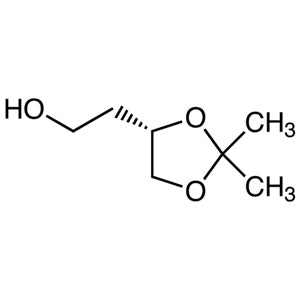
(S)-4-(2-Hydroxyethyl)-2,2-dimethyl-1,3-dioxolane TCI H1189
Regular price Rp 5.221.650,00Regular price -
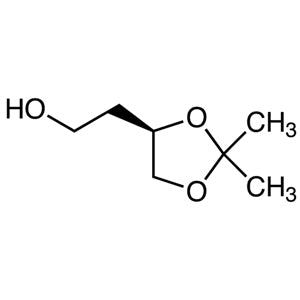
(R)-4-(2-Hydroxyethyl)-2,2-dimethyl-1,3-dioxolane TCI H1188
Regular price Rp 4.664.100,00Regular price -
(S)-4-(2-Hydroxyethyl)-2,2-diisopropyl-1,3-dioxolane TCI D4077
Regular price Rp 2.227.050,00Regular price -
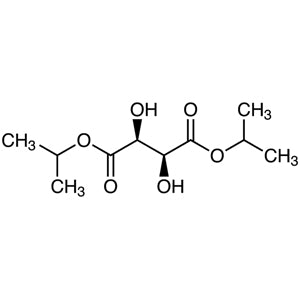
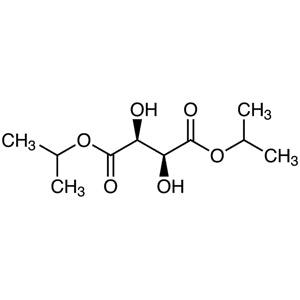
DiisopropylD-(-)-Tartrate TCI T1387
Regular price From Rp 1.881.600,00Regular price -
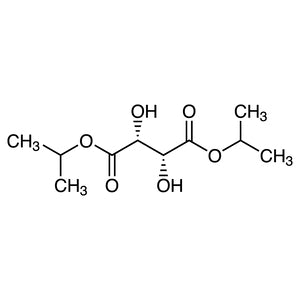
DiisopropylL-(+)-Tartrate TCI T0621
Regular price From Rp 1.326.150,00Regular price -
(S)-4-Benzyloxymethyl-2,2-dimethyl-1,3-dioxolane TCI B2137
Regular price Rp 6.281.100,00Regular price -
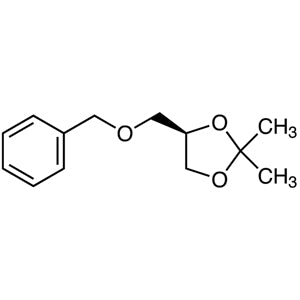
(R)-4-Benzyloxymethyl-2,2-dimethyl-1,3-dioxolane TCI B2136
Regular price Rp 1.220.100,00Regular price -
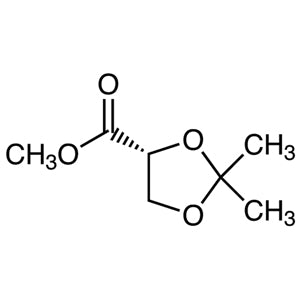
Methyl(R)-(+)-2,2-Dimethyl-1,3-dioxolane-4-carboxylate TCI D2562
Regular price Rp 3.207.750,00Regular price