Ethyl 2-Chloropyrimidine-5-carboxylate is a chemical compound widely used as a building block in the synthesis of heterocyclic compounds. In laboratory settings, it serves as a key reagent for creating complex molecular structures, particularly those involving pyrimidine rings. Its role is critical in organic chemistry research, where it enables the formation of various functional groups through controlled chemical reactions. This compound is especially valuable for its ability to participate in substitution and coupling reactions, making it an essential tool for synthetic chemists.
The compound’s chemical stability and controlled reactivity make it a preferred choice for laboratory applications. Its molecular structure, featuring a chlorine atom at position 2 and a carboxylate group at position 5, allows for versatile chemical modifications. These properties enable it to be used in a wide range of synthetic pathways without significant degradation. Additionally, its inert nature under standard conditions ensures that it remains effective throughout the reaction process, enhancing the reliability of experimental outcomes.
In Indonesian laboratories, Ethyl 2-Chloropyrimidine-5-carboxylate is commonly used in organic chemistry research, particularly in the synthesis of heterocyclic compounds. It is a favored reagent among researchers and academic institutions due to its reliability and effectiveness in producing complex molecular structures. Its use is widespread in both academic and industrial research settings, contributing to the development of new chemical compounds and pharmaceuticals.
Related TCI products
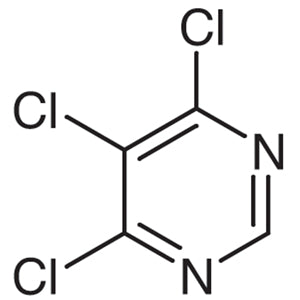
- TCI T2550 1780-27-4 4,5,6-Trichloropyrimidine
- TCI T2512 5750-76-5 2,4,5-Trichloropyrimidine
- TCI T1810 32980-71-5 2,4,6,8-Tetrachloropyrimido[5,4-d]pyrimidine
- TCI T1217 1780-40-1 2,4,5,6-Tetrachloropyrimidine
- TCI B4950 146533-41-7 5-(4-Bromophenyl)-4,6-dichloropyrimidine
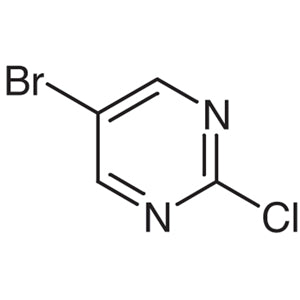
- TCI B2847 32779-36-5 5-Bromo-2-chloropyrimidine
- Organic synthesis of heterocyclic compounds due to its pyrimidine core and reactive functional groups.
- Coupling reactions where stable and controlled reactivity is essential for forming complex molecules.
- Substitution reactions that require a versatile starting material with predictable chemical behavior.
- Research in pharmaceutical chemistry for the development of new drug molecules.
- Academic studies in synthetic chemistry, focusing on the formation of heterocyclic structures.
| Brand | TCI |
|---|---|
| CAS number | 89793-12-4 |
| Molecular formula | — |
| Purity | — |
| Category | Chemistry > Building Blocks > Heterocyclic Building Blocks |
| Pack sizes | Available in standard laboratory quantities |
| Physical form | Solid, colorless |
| Storage | Store in a cool, dry place away from light and moisture |
Ethyl 2-Chloropyrimidine-5-carboxylate should be stored in a cool, dry environment, away from direct light and moisture to maintain its chemical stability. It is recommended to use airtight containers to prevent exposure to air and humidity, which could affect its reactivity. In laboratory settings, it should be handled with care, using appropriate personal protective equipment such as gloves and safety goggles. Due to its chemical nature, it is advisable to store it in a well-ventilated area and keep it separate from incompatible materials. Regular monitoring of storage conditions ensures the compound remains effective and safe for use in chemical synthesis processes.
—
Produk Terkait
-
4,5,6-Trichloropyrimidine TCI T2550
Regular price Rp 2.411.850,00Regular price -
2,4,5-Trichloropyrimidine TCI T2512
Regular price From Rp 1.618.050,00Regular price -
2,4,6,8-Tetrachloropyrimido[5,4-d]pyrimidine TCI T1810
Regular price From Rp 2.862.300,00Regular price -
2,4,5,6-Tetrachloropyrimidine TCI T1217
Regular price Rp 1.008.000,00Regular price -
5-(4-Bromophenyl)-4,6-dichloropyrimidine TCI B4950
Regular price Rp 1.961.400,00Regular price -
5-Bromo-2-chloropyrimidine TCI B2847
Regular price From Rp 477.750,00Regular price -
5-Bromo-2,4-dichloropyrimidine TCI B2823
Regular price From Rp 1.829.100,00Regular price -
4-Amino-5,6-dichloropyrimidine TCI A3058
Regular price From Rp 848.400,00Regular price

![32980-71-5 2,4,6,8-Tetrachloropyrimido[5,4-d]pyrimidine - AMI Scientific](http://amiscientific.com/cdn/shop/files/TCI2510T1810.jpg?v=1767142228&width=533)